

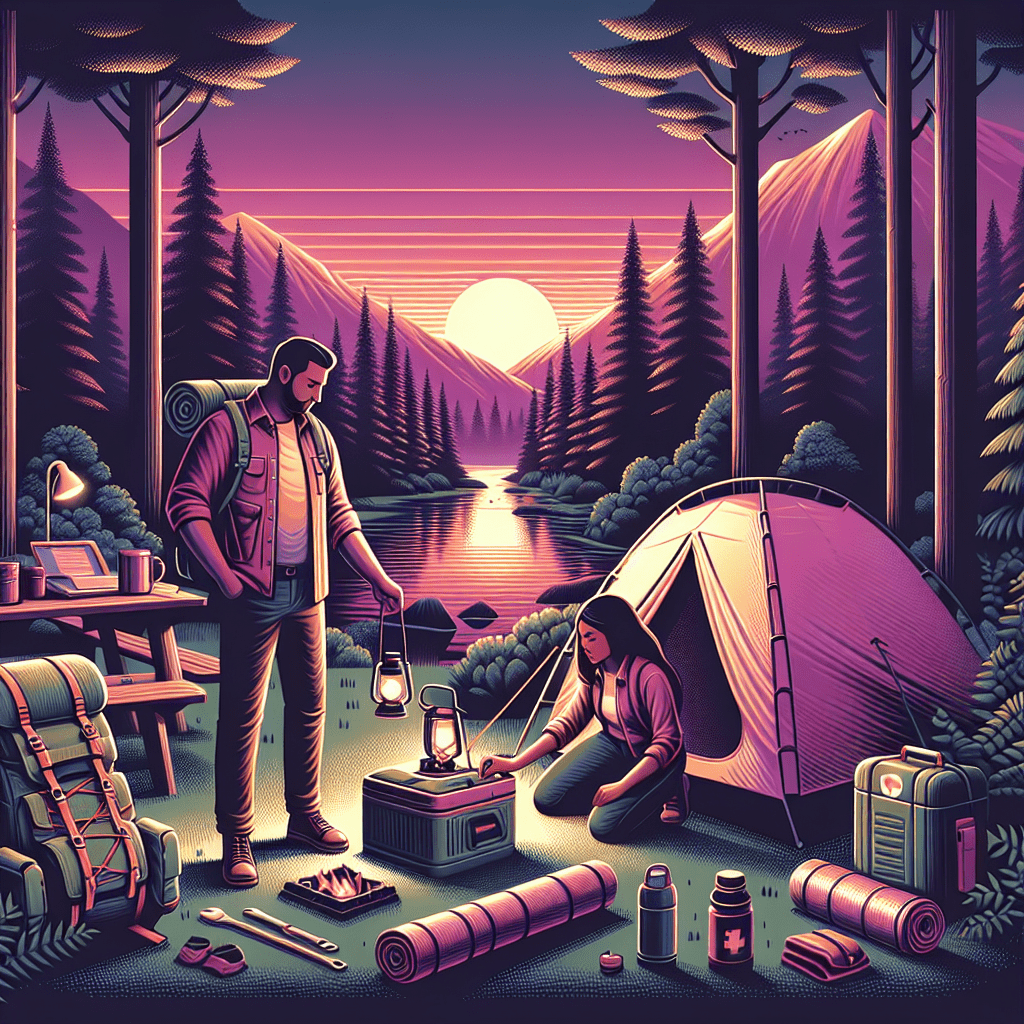

Picture this: a starlit sky, the gentle rustling of leaves, and the distant sound of a crackling campfire. If you’ve ever imagined yourself immersed in nature, basking in the calm away from city life, then camping is calling your name. But where do you begin? In this comprehensive guide, we’re diving deep into the essentials that every beginner should know. Are you ready to embark on your own outdoor adventure?
Camping is not just a hobby; it’s a transformative experience. It teaches resilience, survival skills, and the beauty of simplicity. Whether you’re envisioning a serene escape in the woods or an adventurous trek in a national park, this guide combines educational insights with firsthand experiences to inspire your journey into the great outdoors.
Getting Started: Understanding Camping Basics
Before you pack your bags, let’s explore what camping truly entails. At its core, camping involves spending time outdoors, typically in a tent, camper, or even under the stars, fully immersing yourself in nature.
The Importance of Planning
When I first decided to go camping, I thought packing a sleeping bag and some snacks would suffice. I remember vividly, my friends and I arrived at our campsite only to realize we had forgotten crucial items: a tent pole and a cooking stove. What was meant to be an exhilarating trip quickly turned into a comedy of errors, where we used rocks to prop up our makeshift tent and resorted to eating cold beans straight from the can. The lesson? Planning is key!
Essential Gear for Beginners
- Tent: Opt for a four-season tent if you want versatility, or a lightweight backpacking tent for easy transport.
- Sleeping Bag: Choose one rated for the weather conditions of your planned trip.
- Cooking Equipment: A compact camping stove, cookware, and utensils make meals easy and enjoyable.
- Navigation Tools: A GPS device or a good old-fashioned map and compass can save you from getting lost—trust me!
Selecting Your Camping Location
Choosing the right location can make or break your camping experience. National parks, state parks, and even local campgrounds can provide ideal spots, but each comes with its own set of rules and perks.
The Beauty of Local Campgrounds
On one of my early camping trips, we visited a local campground that became our favorite. Surrounded by breathtaking landscapes and connected to hiking trails, it was the perfect introduction to the camping lifestyle. We spent evenings by the fire, sipping hot cocoa while sharing stories and laughing.
Setting Up Camp: First Steps to Comfort
Once you arrive at your campsite, it’s time to set up.
Choosing the Right Spot
Avoid low-lying areas where water might collect, steer clear of dead trees that might fall, and always respect the landscape and wildlife.
Remember the Leave No Trace Principles
After my second trip, when we left behind food scraps and bits of trash, I read about the Leave No Trace principles. We learned that preserving nature for future campers is not just a courtesy, but a responsibility. These principles are essential and guiding your actions—both in your environment and for the wildlife that inhabits it.
Cooking in the Wild: Simple and Delicious Meals
One of the joys of camping is cooking outdoors. While hot dogs over the fire are a classic, here are some easy, hearty meals to consider:
Camping Recipes
- Foil Packet Dinners: Fill heavy-duty foil with veggies, protein, and seasonings. Wrap properly and place on hot coals for a delightful, effortless dinner.
- One-Pot Meals: Think chili or pasta. Just pack a single pot and the ingredients. After a long day, fewer dishes are a blessing.
A Memorable Meal
I still recall a trip where we attempted to cook a more elaborate dish—a mushroom risotto. With our limited cooking gear and a slightly charred outcome, laughter filled the campsite. We learned to embrace imperfections and just enjoy the process.
Navigating the Wilderness: Safety and Survival
Venturing into the great outdoors requires an understanding of safety measures.
Basic Survival Skills
-
First Aid: Always have a first aid kit on hand. Accidental scrapes and burns can happen.
-
Fire-Building Skills: Master how to build a campfire using dry tinder, kindling, and logs.
The Power of Knowledge
During one camping trip, we encountered an unexpected rainstorm. Knowing how to build a fire in wet conditions transformed our chilly evening into a cozy night, wrapped in blankets, sharing stories, and toasting marshmallows.
Animals and Safety
Wildlife encounters can be thrilling, but knowing how to handle them is crucial. Remember to store food properly and respect the animals you may encounter.
Wrapping Up Your Adventure: The Return to Routine
As your camping adventure nears its end, take a moment to soak in the surroundings one last time. The sounds, sights, and fresh air are precious.
The Importance of Reflection
I often journal after my trips to document my experiences. It helps me remember the lessons learned and encourages me to plan the next adventure. Each trip adds a new chapter to my outdoor journey.
Key Takeaways
Camping is more than just a getaway; it’s a transformative experience filled with valuable lessons and unforgettable moments. Remember to plan properly, respect nature, and embrace the unexpected.
Embark on your camping adventure with preparation and enthusiasm, and you’ll be rewarded with beautiful memories and a deeper appreciation for the outdoors.
Reader Questions Answered
What do I need as a beginner camper?
Start with essential gear such as a sleeping bag, tent, cooking utensils, and navigation tools. Don’t forget a first aid kit!
How can I choose a campsite?
Consider accessibility, local regulations, and proximity to trails or water sources. Always check reviews beforehand.
What should I do if I encounter wildlife?
Stay calm and keep your distance. Never approach or feed wildlife, and make sure to secure food properly to avoid attracting animals to your campsite.
FAQs
What season is best for camping?
Spring and fall often provide mild weather with fewer crowds, but summer is popular for family camping trips.
Is camping safe for children?
Yes! With proper preparation and guidance, camping can be a fantastic experience for kids, teaching them valuable outdoor skills.
How do I stay hydrated while camping?
Pack plenty of water and consider bringing a water filter if you plan to source water from rivers or streams.
Your camping journey awaits. Embrace the adventure, make unforgettable memories, and reconnect with nature in its purest form!