

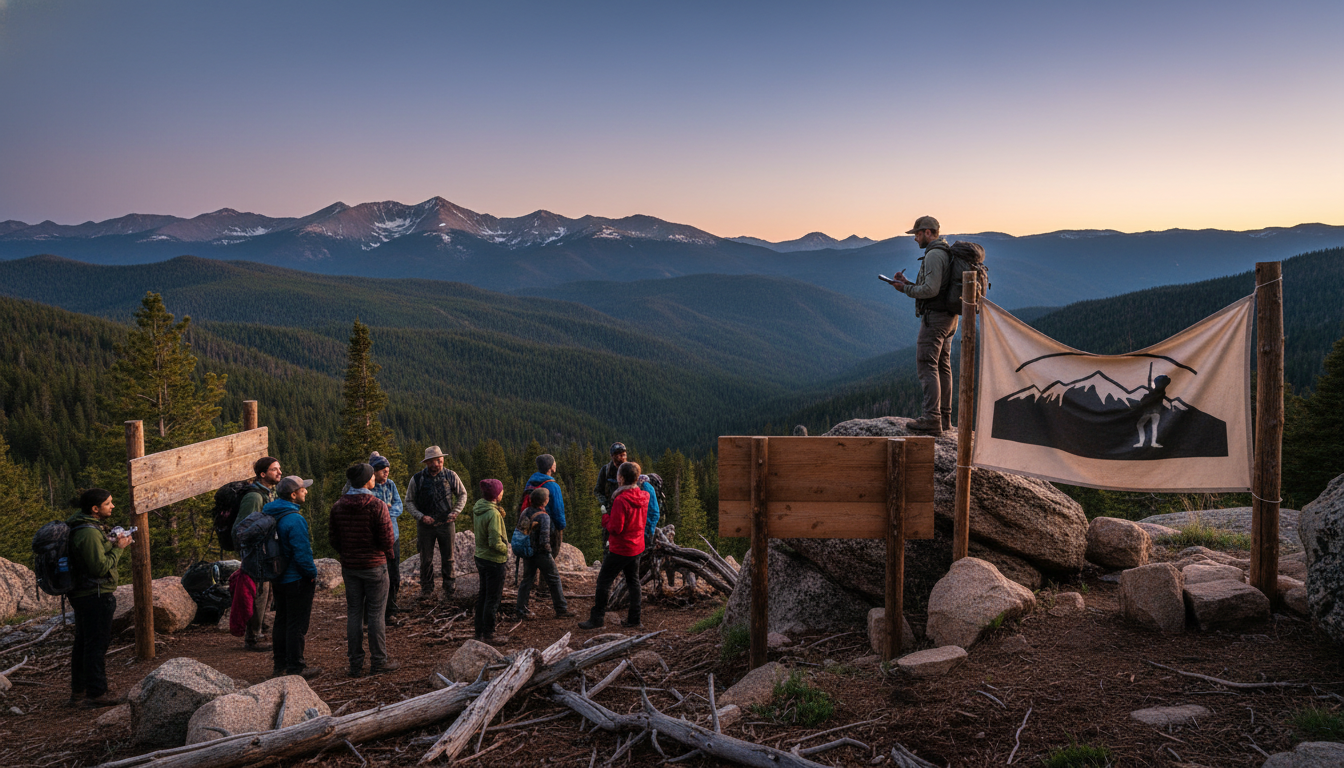

Colorado Parks and Wildlife: A Cornerstone of Conservation and Outdoor Recreation
Outdoor enthusiasts can attest that the Colorado landscape is more than just a backdrop for adventure; it is an ecosystem teeming with life, shaped by strategic wildlife management and conservation efforts. At the heart of this vital mission is Colorado Parks and Wildlife (CPW), an enterprise agency dedicated to the stewardship of the state’s rich natural resources—an initiative that has far-reaching benefits for both wildlife and the economy.
A Comprehensive Role in Colorado’s Natural Landscape
CPW operates as a self-sustaining agency, primarily funded by license sales, state park fees, and registration fees. With stewardship responsibilities covering 43 state parks and over 350 wildlife areas across approximately 900,000 acres, CPW manages diverse activities, including:
- Fishing and Hunting: Maintaining sustainable populations and providing opportunities for recreation.
- Wildlife Watching: Creating designated areas for an enriching connection between nature and citizen.
- Camping: Developing accessible sites that preserve the land while accommodating visitors.
- Trails Management: Overseeing both motorized and non-motorized trails to ensure safe and responsible use.
- Boating and Outdoor Education: Offering classes and safety programs to cultivate a knowledgeable and respectful community of outdoor enthusiasts.
The impact of CPW’s initiatives is staggering, contributing approximately $6 billion in annual economic benefits throughout Colorado, highlighting the inseparable link between conservation efforts and local economies.
Why It Matters
Preserving Our Natural Heritage
CPW’s multifaceted approach is critical not just for immediate recreation but for long-term sustainability. As habitats face increasing pressure from urban development and climate change, CPW’s work will be paramount in ensuring that future generations can engage with Colorado’s magnificent landscapes.
- For Hunters and Anglers: Sustainable practices help maintain healthy populations of game fish and wildlife, ensuring these activities can be enjoyed year after year.
- For Hikers and Trail Users: Well-kept trails and ecosystems deepen our connection with nature while promoting responsible usage that protects our natural resources.
- For Local Economies: The economic impact is not merely a number; it translates into jobs, local businesses, and a thriving outdoor culture that drives tourism.
Engaging Stakeholders
CPW also plays a pivotal role in engaging diverse stakeholders, from conservationists to outdoor recreationists. As they work to balance human desire for access and nature’s carrying capacity, transparency and collaboration will be essential.
Field Insights: What to Watch For
- Participate in CPW Programs: Engage with outdoor education classes and stewardship opportunities designed to foster community awareness and involvement.
- Stay Informed: Regularly check CPW’s website and publications for updated regulations and initiatives, as past press releases may no longer reflect the current landscape of conservation efforts.
- Be Mindful of Wildlife: When exploring, keep an eye out for riparian corridors and other sensitive habitats. Understanding these areas is crucial for the protection of wildlife.
In conclusion, Colorado Parks and Wildlife is not just an agency; it is a vital entity ensuring that our natural heritage flourishes. By investing in wildlife management and fostering outdoor experiences, CPW not only elevates Colorado as a premier outdoor destination but also sets a precedent for conservation across the nation. The interplay between responsible recreation and wildlife preservation is a testament to the enduring value found in our shared natural spaces.