


Governor Lamont Champions $18 Million Initiative for Enhanced Home Energy Efficiency
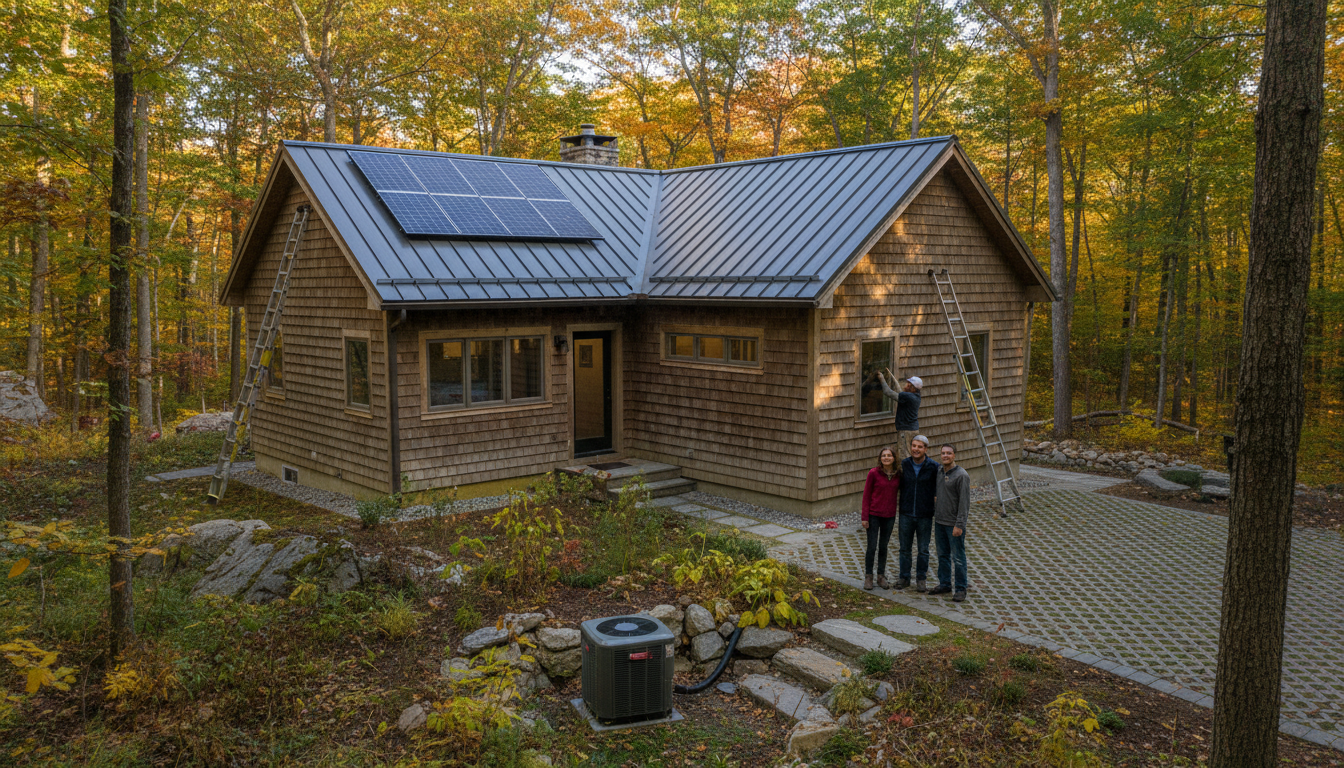
HARTFORD, CT – As the gusty winter winds descend upon Connecticut, Governor Ned Lamont has announced a forward-looking initiative designed to fortify energy efficiency in homes across the state. With a decisive vote by the State Bond Commission this morning, $18 million has been allocated to establish the Housing Environmental Improvement Revolving Loan and Grant Fund—a pivotal program aimed at retrofitting both single-family and multi-family residences to yield energy savings.
Bridging Energy Inequities
Administered by the Connecticut Department of Energy and Environmental Protection (DEEP), this innovative program targets enhancements like updated heating and cooling systems, building envelope improvements, and similar retrofitting efforts that promise long-term sustainability and financial relief for homeowners. This initiative builds directly on the success of DEEP’s recent Residential Energy Preparation Services program, which effectively utilized all its funding to eliminate hazardous conditions in homes, creating pathways for essential energy upgrades.
“The truth is, energy efficiency isn’t just a luxury; it’s a necessity,” Governor Lamont remarked. “Upgrading homes not only promotes individual savings but also contributes to the overall reliability of our energy grid by curtailing waste. Our mission is to empower every homeowner, regardless of their background, to reap the benefits of energy-efficient systems.”
The Mechanics of the Fund
This fund, made possible through the recent Public Act 25-125 signed by Lamont, earmarks:
- $12 million for loans aimed at developers who will incorporate energy-efficient systems in affordable multi-family housing.
- $6 million dedicated to dismantling barriers faced by lower-income homeowners, which often include hazardous materials like asbestos and moisture issues that impede necessary energy audits and improvements.
In 2024 alone, nearly 30% of Home Energy Solutions—Income Eligible units, along with 50% of Weatherization Assistance Program units were deferred due to these health and safety constraints. The urgency of this issue cannot be overstated, as lower-income families bear the brunt of substantial energy burdens that can consume a staggering portion of their incomes.
Why It Matters
The establishment of the Housing Environmental Improvement Revolving Loan and Grant Fund is crucial for several reasons:
- Equity in Energy Costs: By addressing inefficiencies and safety hazards in homes, the program aims to ease the financial strains on low-income families, making safer and more efficient homes accessible to all.
- Long-term Environmental Impact: Upgrading existing housing stock reduces energy demands and greenhouse gas emissions, contributing to a healthier ecosystem.
- Boosting Local Economies: Increased energy efficiency can invigorate local economies as construction and retrofitting projects create jobs and drive economic activity in the home improvement sector.
Field Insights: Pro Tips for Homeowners
- Know Your Barriers: Be proactive in identifying potential hazards in your home that might prevent energy upgrades. Common culprits include old wiring and mold.
- Explore Financial Assistance: Stay informed about upcoming programs like the Housing Environmental Improvement Fund to ensure you take full advantage of available financial aid.
- Engage with Local Utilities: Contact your energy provider for additional resources or rebates that can complement the new state funding.
As DEEP Commissioner Katie Dykes emphasized, “This initiative exemplifies our commitment to ensuring that utility costs do not hinder access to safe and affordable housing.”
Looking Ahead
With an anticipated launch of the Housing Environmental Improvement Fund by the end of 2026, DEEP plans to recruit entities capable of implementing these vital programs by early to mid-2026. This represents a significant step toward harmonizing environmental action with community well-being, setting a powerful precedent for how Connecticut can tackle energy inequities while enhancing its housing landscape.
As we brace for the challenges of winter, Connecticut stands a step closer to creating a more equitable and energy-conscious future, ensuring that everyone has the opportunity to enjoy the warmth of their homes without the chill of excessive energy bills.
For updates, follow DEEP on Twitter and Facebook.
For more details, reach out to DEEP Communications at DEEP.communications@ct.gov or call 860-424-3110.