


CT State Parks Invite Public Input on Paddlecraft Rental RFP: An Opportunity for Conservation and Recreation
The Lead
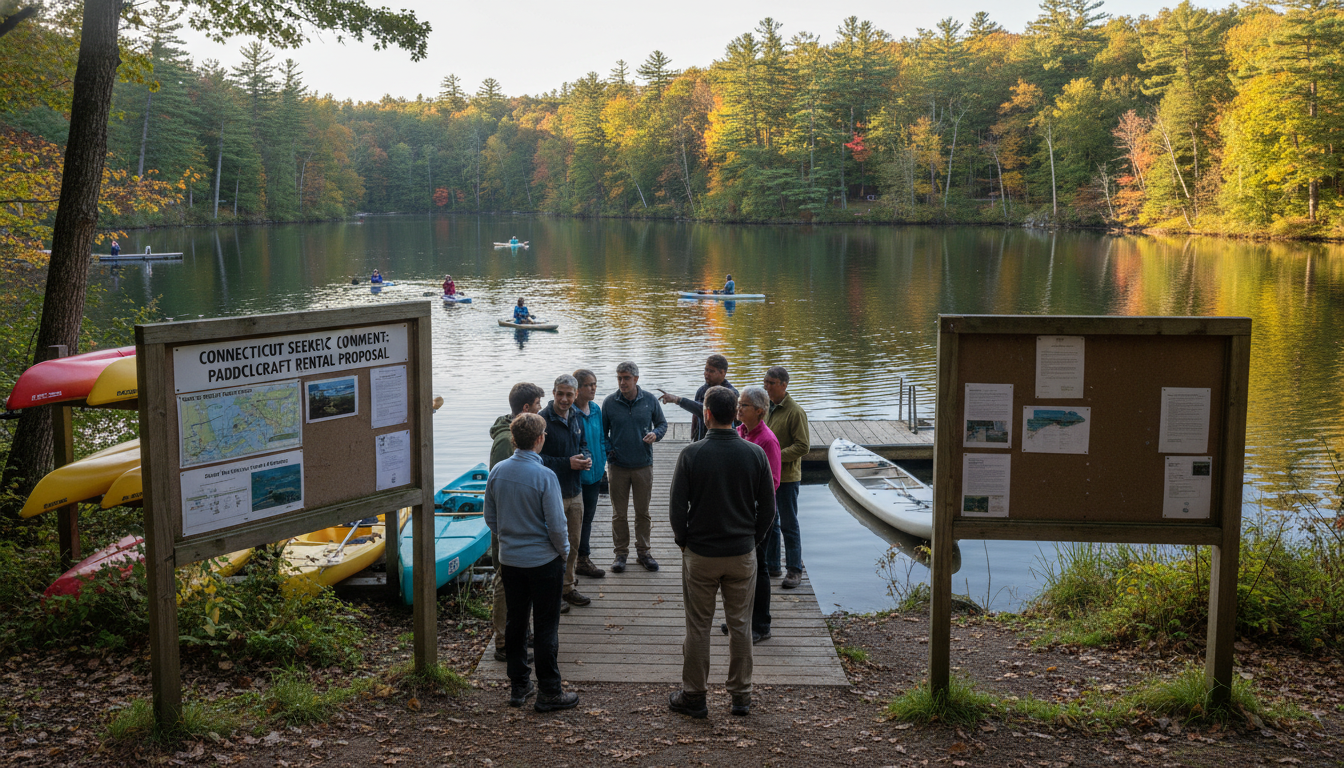
As the sun glimmers off the gentle ripples of Connecticut’s serene lakes and rivers, the Department of Energy and Environmental Protection (DEEP) is gearing up to enhance recreational opportunities across five state parks. The agency is currently welcoming public comment on its draft Request for Proposal (RFP) for paddlecraft rentals, poised to transform how residents and visitors engage with these vital riparian corridors.
Deep Dive Analysis
The draft RFP targets popular outdoor havens: Hammonasset Beach State Park, Rocky Neck State Park, Lake Waramaug State Park, Gillette Castle State Park, and the Connecticut River’s mouth at the Goodspeed Opera House. Each location has been selected not just for its natural beauty but also for its potential to promote sustainable, low-impact recreational activities.
With a focus on paddlecraft—kayaks, canoes, and paddleboards—the initiative aims to enhance visitor experiences while carefully considering the ecological integrity of the surrounding ecosystems. Paddlecraft rentals encourage exploration of these waterways at a pace that allows for intimate engagement with nature, from observing nesting birds to enjoying the varied aquatic life that thrives in these habitats.
Why It Matters
The Intersection of Recreation and Conservation
The introduction of regulated paddlecraft rentals is more than just a nod to outdoor enthusiasts. It holds significant implications for local economies and conservation efforts:
- Economic Boost: Paddlecraft rentals can catalyze growth in local businesses, including service industries and tourism, making it possible for local economies to thrive.
- Ecosystem Preservation: With clear guidelines for usage, DEEP aims to mitigate the ecological footprint of recreational activities and promote a culture of conservation among paddlers.
- Community Engagement: Public input is a crucial aspect of this initiative, allowing residents to voice their thoughts on conservation practices and ensuring the program aligns with community values.
As outdoor recreation continues to burgeon, investments in sustainable practices become paramount. This RFP represents a commitment to balance human enjoyment and ecological stewardship, fostering a vibrant future for both Connecticut’s outdoor spaces and its inhabitants.
Field Insights: Pro-Tips for Paddling in Connecticut
As stakeholder input unfolds, here are some valuable tips for paddlers eager to explore Connecticut’s waterways responsibly:
- Know Your Limits: Consider your own experience level when choosing a paddlecraft. Newcomers may prefer stable canoes over tippy kayaks.
- Mind the Season: Early morning or late evening paddles can offer serene environments and prime wildlife sightings, especially during the warmer months.
- Respect Wildlife: Keep a respectful distance from nesting areas and avoid disturbing wildlife. Consider utilizing binoculars for closer views.
- Plan for Safety: Always wear a life jacket, inform someone about your paddle plan, and bring a first-aid kit for emergencies.
- Leave No Trace: Practice the principles of Leave No Trace, especially in natural areas. Always take out what you bring in and be mindful of your impact on the land and water.
The DEEP’s initiative to gather public feedback on the draft RFP marks a pivotal moment for Connecticut’s outdoor recreational landscape. As paddlers prepare to glide along its stunning waterways, they are reminded that their experiences are intrinsically linked to the health of the ecosystems they cherish. Let your voice be heard during this crucial phase of development—conserve today to enjoy tomorrow.