


Connecticut and New England States Charge Ahead with Solar Initiatives: A Greener Future
A Collaborative Leap Toward Renewable Energy
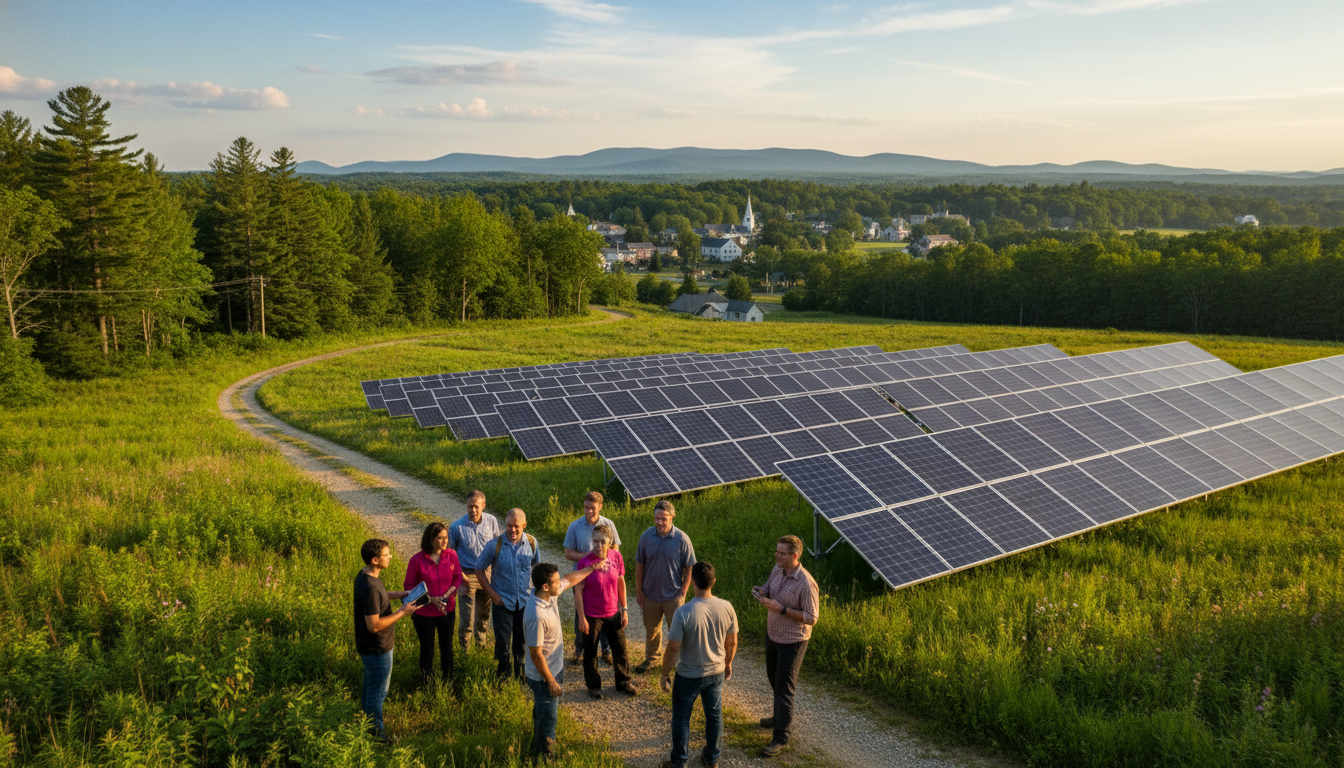
(HARTFORD) — In a significant stride toward fostering sustainable energy, the Connecticut Department of Energy and Environmental Protection (DEEP), alongside partners from Massachusetts, Maine, and Vermont, has unveiled the selection of clean energy projects totaling 173 megawatts (MW) of solar energy. Among these, Connecticut itself is set to commence three pioneering projects amounting to 67 MW, strategically chosen through a competitive multi-state solicitation aimed at bolstering regional energy cooperation.
This initiative, crafted to capitalize on expiring federal clean energy tax credits, is not merely a numerical achievement but a substantial advance in enhancing the reliability of Connecticut’s electric grid. By introducing low-cost, emission-free generation, Connecticut’s residents stand to benefit from reduced energy costs while supporting the transition to greener energy portfolios.
Bringing Clean Energy to the Forefront
The selected projects are projected to enhance Connecticut’s electricity supply significantly, integrating clean resources before the close of 2030. State ratepayers can anticipate tangible benefits from an array of projects, funded through contracts administered by the state’s electric distribution firms, pending approval from the Public Utilities Regulatory Authority. Collaborative funding mechanisms will ensure equitable cost-sharing among the partner states.
Governor Ned Lamont emphasized the essential nature of regional collaboration, stating, “Expanding and diversifying our energy resources is vital as we strive to reduce electricity costs for Connecticut families. These projects can deliver power swiftly, contributing to a more robust and affordable grid.”
DEEP Commissioner Katie Dykes, echoed this sentiment: “With these grid-scale solar projects, we harness federal tax credits while enhancing affordability and reliability for Connecticut’s residents and businesses. Our teamwork with neighboring states allows us to unlock energy savings that can ripple throughout the region.”
The Broader Impact
The importance of this initiative transcends mere energy production. Massachusetts Energy Resources Commissioner Elizabeth Mahony highlighted the dual benefits of solar energy, stating, “On our hottest days, solar keeps the lights on and costs down, while in winter’s gray light, it remains a local resource when other energy sources falter.” Such collaborative efforts are not only a means to fulfill immediate energy needs but also open avenues for economic growth in the renewable energy sector.
Maine Public Utilities Commission Chair Philip L. Bartlett II reaffirmed the value of shared expertise across states in achieving long-term energy goals. “Our united front brings about efficiencies that deliver affordable, zero-carbon energy, ensuring that all states stand to gain.”
Why It Matters
These developments have far-reaching implications for the region’s recreational and conservation sectors. As we pivot toward renewable sources, hikers, hunters, and outdoor enthusiasts can expect enhanced landscapes, healthier ecosystems, and maintained biodiversity — all of which are bolstered by a reduction in fossil fuel reliance.
- For Hunters and Anglers: A transition to clean energy can restore habitats degraded by pollution, fostering vibrant ecosystems that support wildlife.
- For Hikers and Nature Lovers: Cleaner air and a healthier environment will enhance the outdoor experience, preserving the beauty and integrity of natural spaces.
Pro Tips for Outdoor Enthusiasts
- Stay Informed: Regularly check local energy policies and initiatives to understand how they may influence access to natural spaces.
- Engage in Local Conservation Efforts: Participate in community programs promoting renewable energy and conservation.
- Explore Green Initiatives: Seek out eco-friendly trails and parks that celebrate sustainable practices in protecting natural resources.
Conclusion
The selection of these solar projects marks a pivotal chapter in Connecticut’s energy narrative and a collective commitment to a sustainable future in New England. By harnessing the power of solar energy, residents can look forward to a cleaner, more reliable energy grid that does not just benefit the environment but supports economic vitality across the region.
For continued updates and insights, follow DEEP on Twitter and Facebook.
For inquiries, contact DEEP Communications at DEEP.communications@ct.gov or call 860-424-3110.