

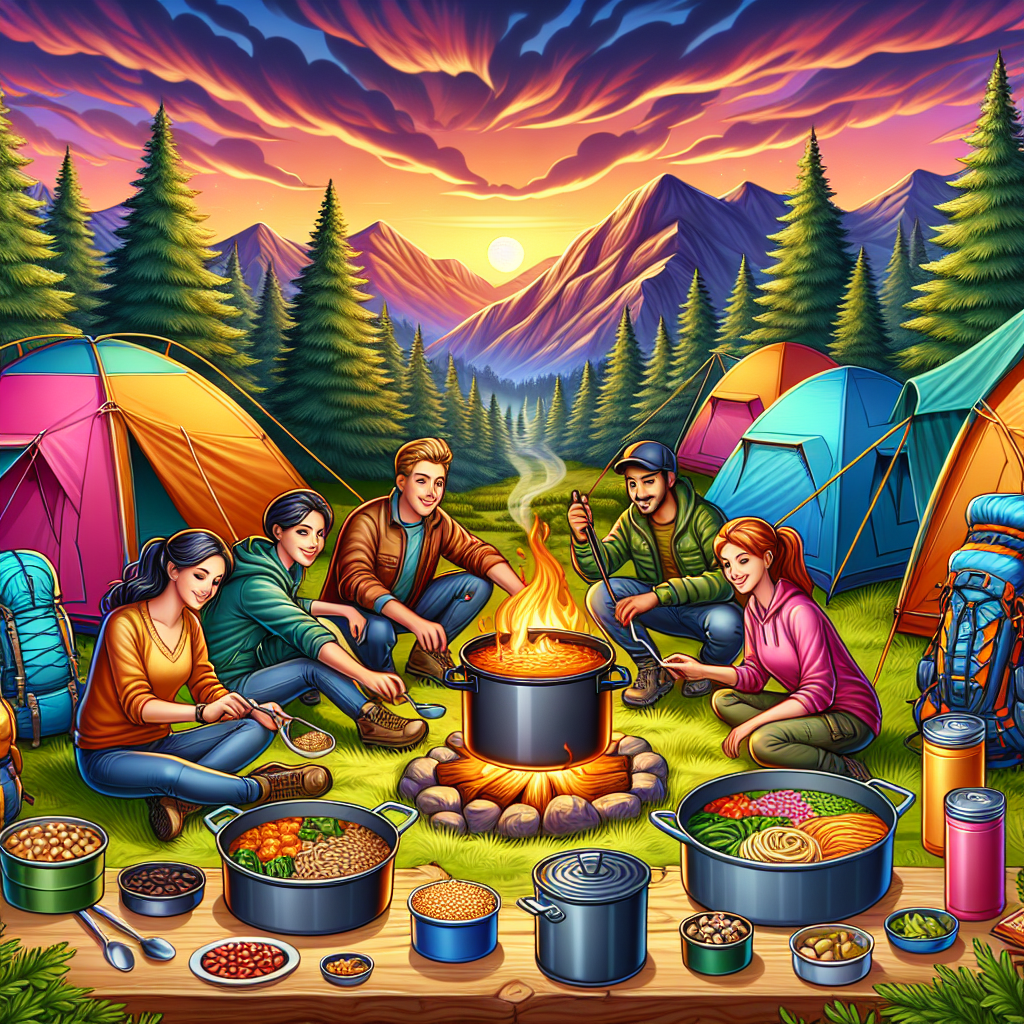

It’s 5 PM, and the sun is just starting to dip behind the jagged peaks as your hiking group settles into the campsite, muscles aching but exhilarated from the day’s adventure. However, as the shadows lengthen and night creeps in, the dwindling light reminds you of a critical component in outdoor fun: a warm, hearty meal. For many outdoor enthusiasts, a day spent on the trail would be incomplete without the gratifying experience of preparing and sharing culinary delights that are not only delicious but easy to make with limited resources.
Backpacking cooking might seem arduous, but with the right recipes and a little creativity, you can transform your meals into memorable feasts under the open sky. Imagine sitting around a crackling campfire, surrounded by good friends, sharing stories of your day—while savoring a gourmet backpacking meal that you prepared. It’s moments like these that enrich the outdoor experience, making it not just about the hike, but also about the flavors of the journey.
In this blog post, we’ll dive into the world of easy backpacking recipes, helping you to elevate your trail cooking game. We’ll explore practical tips, delightful recipes, and personal stories that illustrate just how rewarding outdoor cooking can be. Whether you’re a novice or an experienced backpacker, these suggestions will help you enjoy your culinary creations while nurturing your adventurous spirit.
The Essentials of Backpacking Cooking Gear
Before we delve into recipes, let’s talk gear. Understanding the limitations and possibilities of your cooking setup is vital for any outdoor culinary adventure.
Must-Have Cooking Supplies
-
Stove Options: Liquid fuel, canister, or wood-burning stoves all have their pros and cons. Personal experience with a compact canister stove taught me the value of speed and efficiency. On a cold, wet evening atop Glacier Peak, it dramatically reduced cooking time, allowing for warm dinner and morale-boosting hot drinks.
-
Cookware: Lightweight pots, pans, and a multi-use utensil (like a spork) are essential. I often use an aluminum pot, which heats food evenly but is light enough for long treks.
-
Food Storage: Resealable bags, or lightweight, reusable containers keep your ingredients fresh. During one memorable trip to the Appalachian Trail, a double-layer zip bag saved my dehydrated fruit from being crushed in my pack—an important lesson in protecting your culinary treasures.
Packing Provisions
Packing your ingredients thoughtfully can make all the difference. Here are some tips that have worked wonders for me:
-
Dehydrate Your Own Meals: Investing in a food dehydrator can open up countless meal options. My first attempt at making homemade chili was a triumph—I carefully diced vegetables and seasoned ground turkey, which was then dehydrated to perfection. When rehydrated on the trail, it tasted even richer than I could have imagined.
-
Choose Nutrient-Dense Foods: High-calorie, lightweight foods like nuts, nut butter, and dried fruits will keep your energy up during long hikes. Snacking on almonds while waiting for my pasta to cook on a chilly evening was an extra boost—perfect protein to keep spirits high.
How to Prepare Food on the Trail
Cooking on the trail can sound intimidating, but with the right mindset, it becomes an engaging task. Here’s how I approach cooking while backpacking:
-
Choose Simple Recipes: Aim for meals requiring only a few simple steps. I once tried to make a complicated risotto while battling a heavy rainstorm—needless to say, I ended up with a watery mess instead of the gourmet meal I envisioned.
-
Prep At Home: Reduce the fuss on the trail by doing some prep work beforehand. Pre-packaged ingredients can be a lifesaver. When I prepared for a five-day trek through Yosemite, I pre-portioned ingredients for miso ramen—saving both time and confusion while on the go.
Easy Backpacking Recipes to Try
Now that you’re equipped with the essentials of backpacking cooking gear and preparations, let’s explore some easy recipes that you can try.
1. One-Pot Backpacking Chili
Chili is always a crowd-pleaser, and this one-pot recipe has been a staple on many of my trips.
Ingredients:
- 1 cup dehydrated kidney beans (or canned, if you prefer the weight)
- 1 bell pepper (diced)
- 1 onion (diced)
- 1 tablespoon chili powder
- 4 cups water
- Salt and peppper to taste
- Optional toppings: cheese, avocado, cilantro
Instructions:
- Combine all ingredients in a pot along with the water.
- Bring to a boil over your stove.
- Let it simmer for about 20 minutes or until the beans are soft (if using dehydrated beans).
- Enjoy with your favorite toppings!
Personal Note: I once made this chili after a long hike in the Sawtooth Mountains, and it provided the perfect warmth and comfort. We jocularly dubbed ourselves the “Chili Champs” afterward!
2. Trail-Friendly Pad Thai
A dish that fulfills cravings for comfort food, this Pad Thai is both filling and flavorful.
Ingredients:
- 2 servings rice noodles
- 2 tablespoons peanut butter (packed)
- 2 tablespoons soy sauce
- 1 tablespoon lime juice
- 1 cup dehydrated mixed veggies
- Crushed peanuts for topping
Instructions:
- Cook the rice noodles according to package instructions by adding them directly to boiling water (or pre-soaked in your pot).
- Once cooked, drain excess water and stir in peanut butter, soy sauce, and lime juice.
- Rehydrate your veggies by adding hot water.
- Top with crushed peanuts.
Personal Story: The first time I tried this recipe while camping by a scenic lake, it was a revelation. Watching the sunset while slurping up noodles was pure bliss!
3. Breakfast Burritos
Starting your day right sets the tone for adventure ahead.
Ingredients:
- Tortillas (2)
- 2 scrambled eggs (or a powdered egg substitute)
- 1/2 cup dehydrated veggies
- 2 tablespoons cheese
- Salsa (if desired)
Instructions:
- Rehydrate your vegetables in your pot.
- Cook your eggs as desired.
- Layer eggs, veggies, and cheese onto the tortilla.
- Roll into a burrito.
Tips from Experience: After a long night under the stars in the Rockies, a warm breakfast burrito felt like the best kind of luxury. Adding salsa was a game-changer for flavor—don’t skip it!
Wrap-Up / Key Takeaways
Embarking on culinary adventures while backpacking can transform your experience and allow you to savor every aspect of nature, from the mountains to the meals. Remember to pack lightweight gear, prepare meals at home when possible, and select recipes that excite your taste buds while being easy to execute in the great outdoors.
Now that you have some tried-and-true recipes in your backpacking arsenal, it’s time to embark on your adventures and create your own unforgettable mealtime stories. So, gather your gear, hit the trails, and make every bite count!
Reader Questions Answered
Q1: What kitchen gear do I absolutely need for backpacking?
A1: A lightweight stove, cooking pot, utensils, and resealable bags or containers are essential. Each piece keeps your meal preparation simple and efficient while you’re on the trail.
Q2: How can I make my backpacking meals more exciting?
A2: Experiment with herbs and spices or try new condiments. Bringing along a small spice kit changed my meals dramatically, enhancing flavors and fueling creativity.
Q3: Can I make vegetarian backpacking meals?
A3: Absolutely! Meals such as lentil soups, veggie stir-fried noodles, and chickpea curry are fulfilling and delicious.
FAQs
Q1: Can I use fresh foods while backpacking?
A1: While it’s possible to use fresh foods, they can spoil quickly. Opt for dehydrated or freeze-dried options for longer trips.
Q2: How do I store leftovers?
A2: Pack leftovers in airtight containers or resealable bags, and consume them on the same day to avoid spoilage.
Q3: Should I bring a portable coffee maker?
A3: If coffee is essential for your mornings, consider investing in a small, lightweight French press or pour-over setup to enjoy your favorite brew in nature.
With the right planning, creativity, and a bit of courage, the culinary delights you create on the trail can be as memorable as the hikes themselves. Embrace the adventure and savor every moment!