

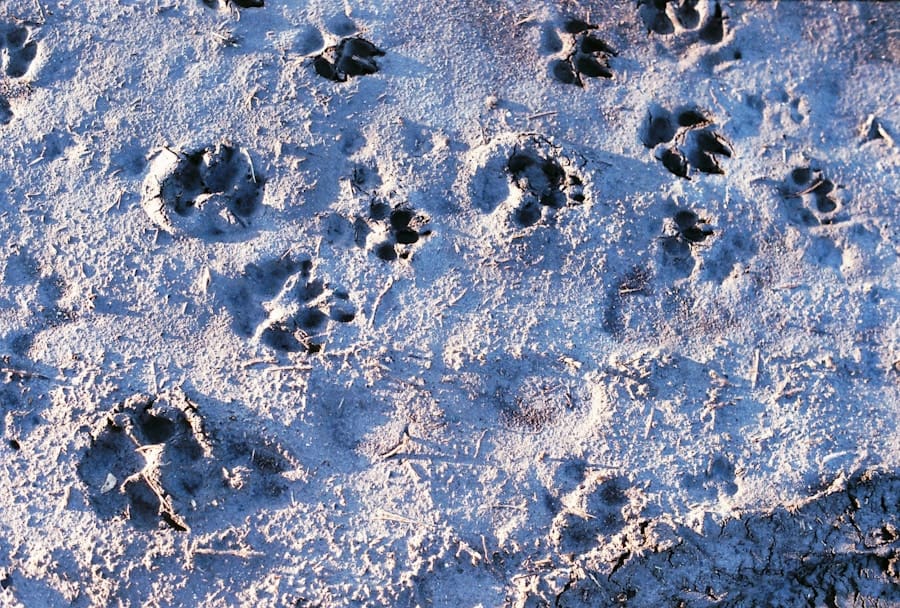

Animal tracks, often referred to as footprints or sign, serve as a window into the lives of wildlife. These imprints left in mud, snow, or sand provide critical insights into the behaviors, movements, and habits of various species. For nature enthusiasts, wildlife researchers, and even casual hikers, understanding animal tracks is not just a fun pastime; it is an essential skill that enhances one’s appreciation of the natural world.
By learning to identify these tracks, individuals can gain a deeper understanding of the ecosystem and the intricate relationships between species. The significance of understanding animal behavior through their tracks cannot be overstated. Each track tells a story, revealing not only the presence of an animal but also its activities—whether it is foraging for food, migrating, or marking territory.
For instance, a series of tracks leading to a water source may indicate a common route taken by deer during dry seasons. By interpreting these signs, observers can learn about the animals’ habits and habitats, fostering a greater respect for wildlife and its conservation. Check out the amazing wildlife at https://amzn.to/4dc3p90.
Key Takeaways
- Animal tracks are important to identify as they provide valuable information about animal behavior and movement
- Understanding animal behavior through their tracks can help in conservation efforts and wildlife management
- Identifying the tracks of common animals such as deer, raccoons, rabbits, and birds is essential for understanding their presence in an area
- Recognizing the differences in track patterns and sizes can aid in tracking and identifying animals in the wild
- Learning to distinguish between different types of footprints and recognizing the shape and size of animal tracks is crucial for accurate identification
- Understanding animal footprints can provide insights into their behavior and habits
- Tips for tracking animals in the wild can help in observing and understanding their behavior and movement
- Understanding the behavior and movement of animals through their tracks is essential for wildlife research and conservation efforts
- Using field guides and resources, as well as technology and apps, can aid in identifying animal tracks accurately
- Proper identification of animal tracks is important for wildlife management and conservation efforts
- Understanding the behavior and habits of animals through their tracks can provide valuable insights for wildlife research and conservation
- Interpreting the direction and speed of an animal based on its tracks can aid in tracking and observing wildlife in their natural habitat
- Going on a nature walk and practicing identifying animal tracks can help in honing tracking skills
- Documenting and comparing different tracks found in the wild can contribute to wildlife research and conservation efforts
- Respecting and preserving animal habitats is crucial for conservation efforts
- Ethical considerations when tracking and identifying animal tracks include minimizing disturbance to wildlife and their habitats
Common Animal Tracks
Identifying the tracks of common animals such as deer, raccoons, rabbits, and birds is a fundamental skill for anyone interested in wildlife tracking. Each species leaves distinct imprints that can be recognized with practice. Deer tracks, for example, are heart-shaped and typically measure around 2 to 4 inches long.
In contrast, raccoon tracks are characterized by their five long toes and a unique hand-like appearance. Rabbits leave behind small, round prints that often appear in pairs, while birds may leave a series of tiny three-toed impressions. Understanding the differences in track patterns and sizes is crucial for accurate identification.
For instance, while both deer and elk may leave similar shapes, elk tracks are generally larger and wider. Additionally, the spacing between tracks can indicate the animal’s speed; closely spaced tracks suggest a slow walk, while wider spacing may indicate a sprint. By familiarizing oneself with these nuances, both beginners and advanced trackers can enhance their skills in recognizing animal movements in various environments.
Identifying Animal Footprints
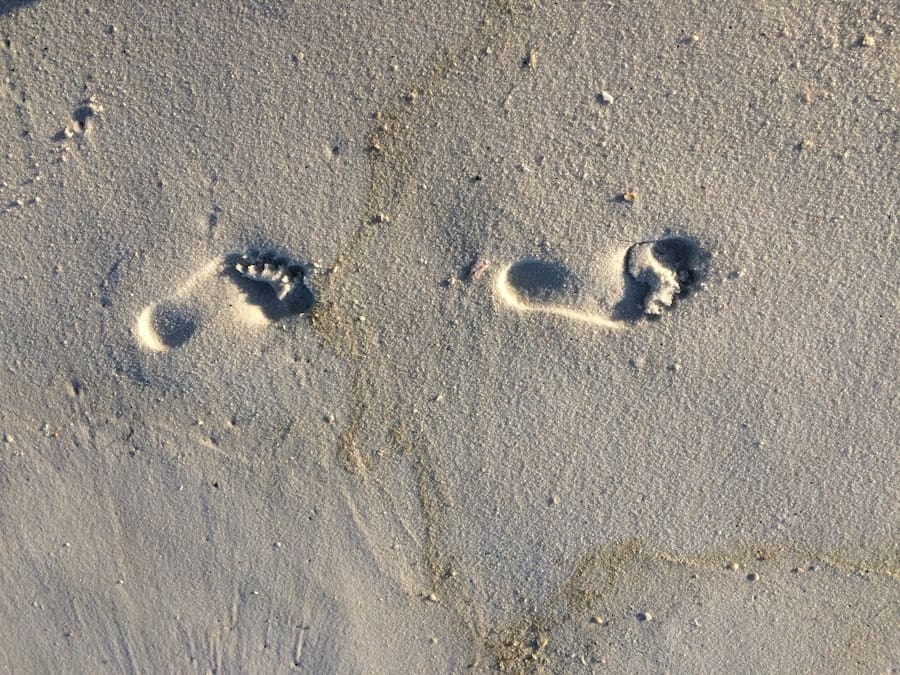
Learning to distinguish between different types of footprints is an essential aspect of wildlife tracking. Each animal has unique characteristics that can aid in identification. For example, canine tracks typically feature claw marks and a more oval shape, while feline tracks are rounder with no visible claw marks.
This distinction is vital for understanding predator-prey dynamics in an ecosystem. Recognizing the shape and size of animal tracks also plays a significant role in identification. A beginner might start by measuring the length and width of a track and comparing it to field guides or online resources.
Advanced trackers may also consider the depth of the imprint; deeper tracks often indicate heavier animals or those moving through soft ground. By honing these observational skills, individuals can become adept at identifying various species based solely on their footprints.
Tracking Techniques
When it comes to tracking animals in the wild, several techniques can enhance one’s success rate. First and foremost, patience is key. Observers should take their time to scan the ground for signs of movement and be mindful of their surroundings.
Quietly approaching an area where animal activity is suspected can increase the chances of spotting fresh tracks. Understanding the behavior and movement of animals through their tracks is equally important. For instance, knowing that deer tend to follow trails near water sources or that raccoons are often found near food sources can guide trackers to likely locations.
Additionally, paying attention to environmental factors such as weather conditions can provide context; rain can wash away tracks, while fresh snow can preserve them beautifully. By combining these techniques with knowledge of animal behavior, trackers can significantly improve their ability to locate and identify wildlife.
Animal Track Identification
Utilizing field guides and resources is an invaluable tool for identifying animal tracks accurately. Many field guides provide detailed illustrations and descriptions that can help both novice and experienced trackers recognize various species. These guides often include information on track size, shape, and common behaviors associated with each animal.
In today’s digital age, technology has also made track identification more accessible. Numerous apps are available that allow users to photograph tracks and receive instant feedback on potential species. These tools can be particularly beneficial for beginners who may struggle with traditional identification methods.
By leveraging both physical guides and technological resources, individuals can enhance their tracking skills and deepen their understanding of local wildlife.
Animal Track Interpretation

Deciphering Animal Tracks Reveal
Each track not only indicates the presence of an animal but also provides clues about what the animal was doing at that moment. For example, a series of scattered tracks may suggest an animal was foraging or playing, while a straight line of tracks could indicate a purposeful journey from one location to another.
Direction and Speed of an Animal
Interpreting the direction and speed of an animal based on its tracks adds another layer to tracking skills. The angle at which tracks are laid can indicate the direction of travel, while the spacing between them can reveal speed. For instance, if tracks are spaced widely apart with deep impressions, it may suggest that the animal was running away from a perceived threat.
Gaining Insights into Animal Behavior
By learning to interpret these signs accurately, trackers can gain insights into animal behavior that go beyond mere identification.
Practicing Track Identification
Going on a nature walk provides an excellent opportunity to practice identifying animal tracks in real-time. Observers should take note of any tracks they encounter and attempt to identify them using their knowledge and resources at hand. Keeping a journal to document findings can be beneficial; this allows trackers to compare different tracks over time and refine their identification skills.
Additionally, joining local wildlife tracking groups or participating in workshops can enhance learning experiences. Engaging with others who share similar interests fosters community and provides opportunities for mentorship from more experienced trackers. By actively practicing track identification in various environments—such as forests, wetlands, or urban areas—individuals can develop a well-rounded understanding of local wildlife.
Conservation and Ethical Tracking
The importance of respecting and preserving animal habitats cannot be overstated when it comes to tracking wildlife. Ethical tracking practices ensure that animals are not disturbed unnecessarily and that their natural behaviors remain intact. Observers should always maintain a safe distance from wildlife and avoid trampling sensitive areas where animals may be nesting or feeding.
Ethical considerations when tracking and identifying animal tracks also extend to reporting findings responsibly. Sharing information about local wildlife populations can contribute to conservation efforts and help protect vulnerable species. By adopting ethical tracking practices, individuals not only enhance their own experiences but also contribute positively to the broader ecosystem.
In conclusion, understanding animal tracks is an enriching endeavor that offers insights into wildlife behavior while fostering a deeper connection with nature. Whether one is a beginner or an advanced tracker, there are always new skills to learn and experiences to gain from observing animal footprints in the wild. By practicing ethical tracking techniques and utilizing available resources, individuals can become more adept at identifying and interpreting animal tracks—ultimately contributing to wildlife conservation efforts.
For those eager to embark on this journey into the world of animal tracking, consider taking your first steps on a local nature trail or joining a community group focused on wildlife observation. Engaging with fellow enthusiasts will not only enhance your skills but also deepen your appreciation for the intricate tapestry of life that exists all around us. **Image Placement Suggestions:**
1.
Image of various animal tracks in snow (Alt text: “Different animal tracks in snow showcasing diversity”).
2. Close-up image of deer tracks (Alt text: “Close-up view of deer hoof prints in mud”).
3. Image of a person using a field guide in nature (Alt text: “Individual using a field guide to identify animal tracks”).
4.
Image depicting ethical tracking practices (Alt text: “Wildlife tracker observing animals from a safe distance”).
FAQs
What are animal tracks?
Animal tracks are the imprints left behind by the feet or paws of animals as they walk, run, or hop across the ground. These tracks can provide valuable information about the presence and behavior of wildlife in a particular area.
Why is it important to identify animal tracks?
Identifying animal tracks can help individuals gain a better understanding of the wildlife in their area, including the types of animals present, their behavior, and their movement patterns. This information can be useful for wildlife conservation, tracking animal populations, and understanding animal behavior.
What are some common animal tracks that beginners can learn to identify?
Some common animal tracks that beginners can learn to identify include those of deer, raccoons, squirrels, rabbits, birds, and various types of rodents. These animals are often found in a wide range of habitats and leave distinct tracks that can be relatively easy to identify with some basic knowledge.
How can beginners learn to identify animal tracks?
Beginners can learn to identify animal tracks by studying field guides, taking part in tracking workshops or classes, and practicing in the field. It’s important to pay attention to the size, shape, and arrangement of the tracks, as well as any other signs such as droppings, fur, or feeding areas.
What tools are useful for identifying animal tracks?
Tools that are useful for identifying animal tracks include field guides with illustrations and descriptions of tracks, plaster casting materials for making track molds, and a notebook or journal for recording observations and sketches of tracks. A magnifying glass can also be helpful for examining track details.