

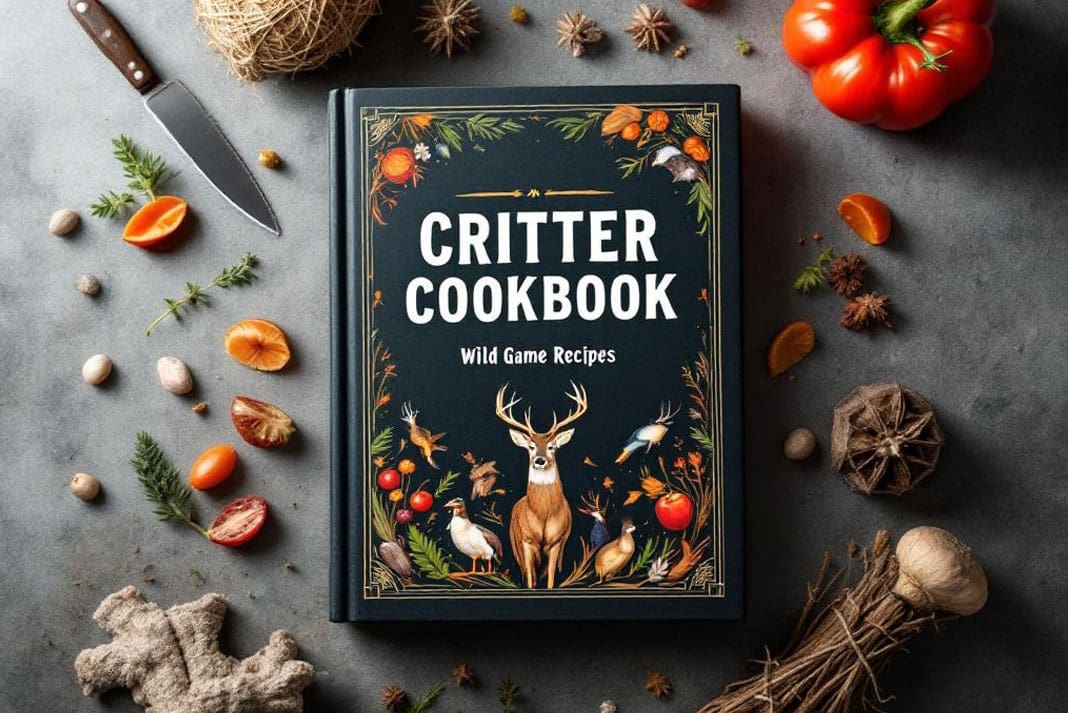

Discover the Benefits of Eating Wild Game for Health & Flavor
In the quest for a healthier and more flavorful diet, many people are turning to an often-overlooked source of nutrition: wild game. Eating wild game offers a unique culinary experience packed with nutrients, rich flavors, and environmental benefits. In this blog post, we’ll explore the various advantages of incorporating wild game into your meals, along with practical tips to help you make the most of this inviting option.
What is Wild Game?
Wild game refers to animals hunted in their natural habitats, including deer, elk, bison, wild bird (like turkey and pheasant), and even smaller creatures such as rabbit and squirrel. Unlike farm-raised meats, wild game is free from artificial additives and hormones, providing a fresh and authentic flavor.
Nutritional Advantages of Wild Game
1. Lean Protein Source
One of the most important benefits of eating wild game is its high protein content. Wild meats are often leaner than conventional meats, containing lower levels of fat and higher levels of protein per serving. According to the USDA, wild game can contain up to 50% less fat than beef or pork, making it an excellent option for anyone looking to maintain or lose weight.
2. Rich in Essential Nutrients
Wild game is a powerhouse of essential nutrients. It is usually higher in iron, zinc, and B-vitamins than farmed meats. Iron is crucial for oxygen transport in your body, while zinc supports the immune system. Consuming venison, for example, can provide you with about 20-30% of your daily iron needs in just a single serving.
3. Omega-3 Fatty Acids
Many wild game animals, particularly those that graze on natural grasses, offer an excellent source of omega-3 fatty acids, which are vital for heart health and cognitive function. Unlike grain-fed livestock, wild game feeds on a natural diet, resulting in a richer omega-3 profile.
Flavors That Stand Out
1. Unique Taste Profiles
Wild game boasts flavors that are often richer and more complex than domesticated meats. For culinary enthusiasts, experimenting with wild game offers an enjoyable avenue for creativity in the kitchen. The distinct taste of elk, for instance, has earthy notes that pair beautifully with herbal marinades and roasted vegetables.
2. Versatile Cooking Options
From grilling and slow-roasting to stewing and even smoking, wild game can be prepared in countless ways. Each cooking method enhances different flavor profiles, making it a versatile ingredient in your kitchen arsenal. Incorporate wild game into your next stew, grill up some venison steaks, or make a hearty wild turkey gumbo for a gathering.
Environmental Benefits of Eating Wild Game
1. Sustainable Food Source
Wild game hunting promotes ecological balance and can help manage animal populations. This sustainable practice ensures that natural habitats remain healthy, benefiting both the environment and wildlife. By sourcing your meat from responsible hunters, you contribute to conservation efforts that help maintain biodiversity.
2. Reduced Carbon Footprint
Buying locally sourced wild game minimizes the carbon footprint associated with livestock farming, which is known to contribute heavily to greenhouse gas emissions. Consuming wild meat can be an environmentally-friendly choice, making it a responsible option for eco-conscious consumers.
Tips for Incorporating Wild Game into Your Diet
-
- Start Small: If you’re new to wild game, start with familiar meats, such as venison or wild turkey, which can be easily substituted for chicken or beef in standard recipes.
-
- Seek Local Sources: Look for local butchers or specialty stores that offer wild game options. Online retailers also carry a wide range of products.
-
- Experiment with Marinades: Since wild game can have stronger flavors, consider using marinades or brines to enhance tenderness and taste.
-
- Cook at Lower Temperatures: To prevent overcooking and maintain juiciness, use lower cooking temperatures, particularly for lean cuts.
Health Notes
-
- High in Lean Protein: Excellent for muscle repair and growth.
-
- Rich in Essential Nutrients: Supports overall health and boosts the immune system.
-
- Omega-3 Fatty Acids: Beneficial for heart health.
-
- Unique Flavors: Provides a diverse culinary experience.
-
- Sustainably Sourced: Beneficial for the environment and wildlife conservation.
In conclusion, incorporating wild game into your diet can offer an enriching experience that brings health and flavor to your table. Whether you’re looking for a nutritious meal or a unique cooking challenge, there are countless reasons to explore the world of wild game. Consider adding it to your meal plan and savor the benefits it brings—both to your health and our planet.
For a deep dive into the nutritional data and sustainable practices surrounding wild game hunting, consult resources like the USDA and Wildlife Society. Happy cooking!