

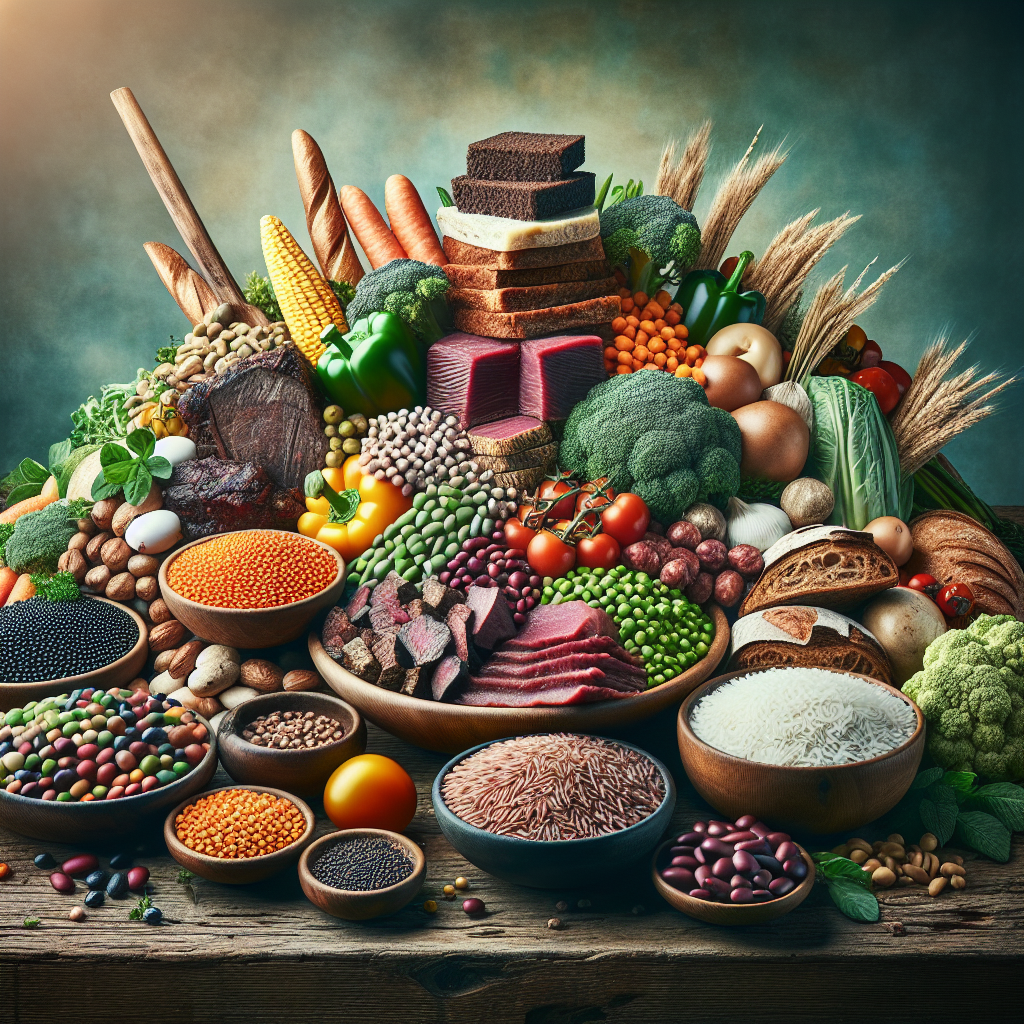

Discover Wild Game: The Eco-Friendly Protein for Sustainable Eating
As the world increasingly focuses on sustainability, more people are looking for eco-friendly alternatives to traditional sources of protein. One often-overlooked option is wild game, which offers a host of benefits for health and the environment. Whether you’re an outdoor enthusiast or someone simply curious about sustainable eating, incorporating wild game into your diet can be both delicious and responsible.
Why Choose Wild Game?
Nutrient-Rich Protein Source
Wild game is a highly nutritious protein source, rich in essential vitamins and minerals such as iron, zinc, and B vitamins. For instance, venison contains about 30% more protein and significantly less fat compared to beef. This makes wild game an excellent option for those seeking a leaner diet without sacrificing flavor.
Sustainably Sourced
Unlike factory-farmed meat, wild game comes from animals that roam freely in their natural habitats. This form of meat often has a lower ecological footprint, as hunting regulations help maintain animal populations and ecosystems. According to a study by the Wildlife Management Institute, sustainable hunting practices can actually enhance wildlife conservation efforts.
Benefits of Wild Game
Higher Omega-3 Fatty Acids
Wild game is often much higher in omega-3 fatty acids compared to conventional meats. These healthy fats are essential for heart health and cognitive function. Incorporating game meat into your diet can aid in lowering bad cholesterol and reducing inflammation.
No Harmful Additives
One of the biggest concerns with commercially produced meat is the use of hormones, antibiotics, and other additives. Wild game is free from these substances, making it a cleaner option that many health-conscious consumers are now seeking. The Environmental Working Group illustrates the negative impacts of these additives on health, bolstering the case for wild game.
Supports Local Economies
By choosing wild game, you are supporting local hunters and sustainable practices. Many regions, especially rural areas, depend on a regulated hunting industry. This can contribute significantly to local economies. Moreover, purchasing locally sourced wild game reduces the carbon footprint associated with transporting meat products.
Practical Tips for Cooking Wild Game
-
Marinate for Flavor: Wild game can be leaner and require more tenderizing than traditional meat. Marinating with acidic ingredients like vinegar or citrus juice can enhance flavor and tenderness.
-
Low and Slow Cooking: Because wild game can be less fatty, using cooking methods that involve low and slow temperatures, such as braising or slow-cooking, can yield the best results.
-
Experiment with Spices: Wild game has a unique flavor profile that can be enhanced with bold spices. Cumin, rosemary, and juniper berries are excellent choices to complement the taste.
- Understand Portion Sizes: Since wild game is leaner, it might be more filling than conventional meats. Adjust portion sizes accordingly in meals.
Getting Started with Wild Game
If you’re new to wild game, consider starting with more common options like deer, elk, or wild turkey. Many grocery stores and farmers’ markets now offer local wild game options. Alternatively, engaging with a community of hunters can provide opportunities to secure fresh game meat directly.
Health Notes
- High in Protein: Wild game is an excellent source of lean protein.
- Nutritional Value: Packed with vitamins and minerals including B vitamins and iron.
- Eco-Friendly: Lowers carbon footprint and supports sustainable ecosystems.
- No Harmful Additives: Consumes meat free from antibiotics and hormones.
- Supports Local Economies: Helps bolster rural businesses and conservation efforts.
Incorporating wild game into your diet not only supports your health but also promotes sustainability. As you explore this eco-friendly protein source, you’ll discover a world of flavors and culinary possibilities that align with a responsible eating philosophy. Embrace wild game, enjoy its rich flavors, and contribute positively to the environment and local communities.
For more resources regarding wild game and healthy eating, consider visiting The National Wild Turkey Federation and MeatEater, both reputable sources for information on sustainable hunting and cooking.