

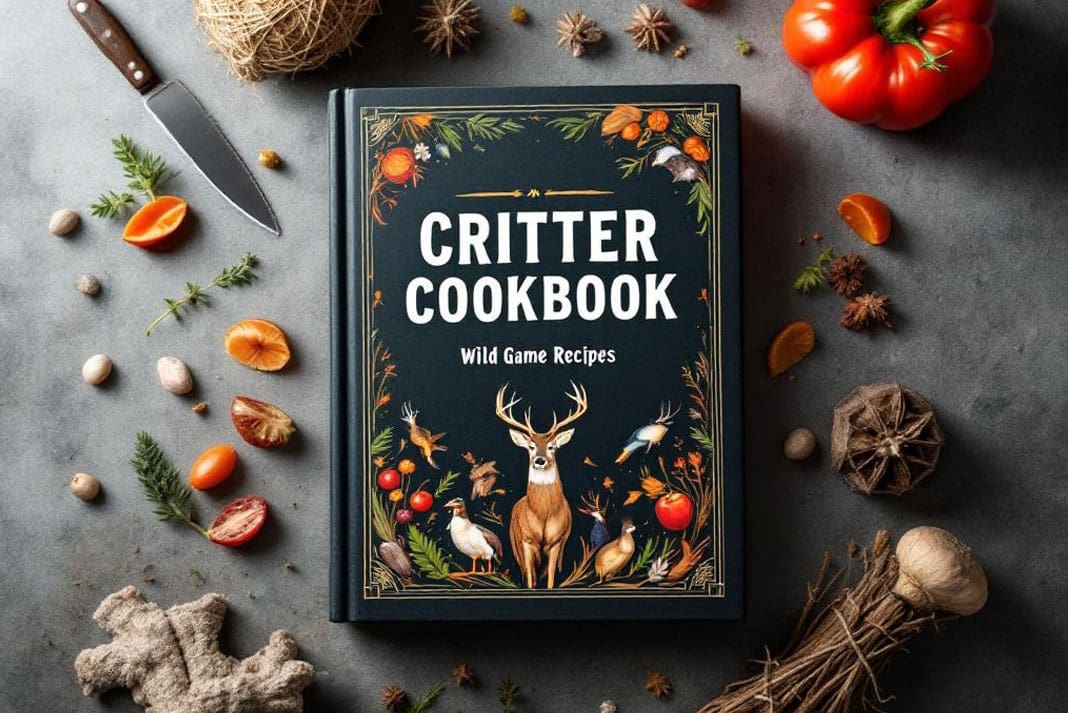

Discover Wild Game: The Healthy Red Meat Alternative You Need
In a world increasingly focused on health and sustainability, wild game emerges as a superior alternative to conventional red meat. With a rich nutritional profile and a unique taste, incorporating wild game into your diet can not only boost your health but also minimize your environmental impact. Let’s delve deeper into why you should consider this healthy red meat alternative.
What is Wild Game?
Wild game refers to meat sourced from animals that are hunted rather than raised on farms. This includes species like venison (deer), bison, elk, rabbit, and wild boar. These animals roam freely in their natural habitats, which is key to their nutritional advantages.
Nutritional Benefits of Wild Game
Leaner Meat with Rich Flavor
One of the standout features of wild game is its leaner meat content. Compared to domestic cattle and pork, wild game typically has lower fat. For instance, a serving of venison contains about 2.5 grams of fat, compared to up to 20 grams found in traditionally raised beef. This characteristic not only makes wild game an excellent option for those watching their fat intake, but it also provides a robust, natural flavor that is hard to match.
High in Protein and Nutrients
Wild game is a fantastic source of protein, which is essential for muscle repair and overall bodily functions. A 100-gram serving of bison provides around 20 grams of protein, while also packing a punch with vitamins and minerals, including iron, zinc, and B vitamins. These nutrients are essential for maintaining energy levels, supporting the immune system, and promoting overall well-being.
Omega-3 Fatty Acids
Many types of wild game, particularly those that thrive in wilderness settings, have higher levels of omega-3 fatty acids compared to conventional meats. This is due to their natural diets, which often include grasses, nuts, and berries. Omega-3 fatty acids are known for their anti-inflammatory properties and their role in heart health. Incorporating wild game into your diet can support cardiovascular health and overall brain function.
Environmental Impact: A Sustainable Choice
Ethical Hunting Practices
Choosing wild game promotes a more sustainable approach to meat consumption. Many hunters follow ethical practices, ensuring not only the health of the animal population but also the preservation of their natural habitats. By opting for wild game, you are indirectly supporting biodiversity and reducing the carbon footprint associated with industrial farming practices.
Supporting Local Economies
Moreover, purchasing wild game from local sources supports local economies and promotes responsible land management. Many hunters participate in conservation efforts, ensuring that these natural environments are maintained and protected for future generations.
Practical Tips for Including Wild Game in Your Diet
-
- Start Slowly: If you’re new to wild game, start with milder meats like rabbit or venison, which are more similar to traditional beef and pork in flavor.
- Start Slowly: If you’re new to wild game, start with milder meats like rabbit or venison, which are more similar to traditional beef and pork in flavor.
-
- Experiment with Recipes: Wild game can be a versatile ingredient. From stews to grilled options, try different cooking methods. Venison steaks, for instance, can be marinated and grilled for a delightful dinner.
- Experiment with Recipes: Wild game can be a versatile ingredient. From stews to grilled options, try different cooking methods. Venison steaks, for instance, can be marinated and grilled for a delightful dinner.
-
- Find Local Sources: Seek out local farms, markets, or trusted online providers that sell wild game. Not only does this ensure quality, but it also contributes to the local economy.
- Find Local Sources: Seek out local farms, markets, or trusted online providers that sell wild game. Not only does this ensure quality, but it also contributes to the local economy.
-
- Consider Health Certifications: When purchasing wild game, look for certifications indicating responsible hunting practices. This ensures that the meat is not only safe but also ethically sourced.
Health Notes
-
- Leaner Meat: Wild game is lower in fat compared to conventional red meat.
-
- High Protein and Nutritional Density: Significant sources of protein, vitamins, and minerals beneficial for health.
-
- Omega-3 Fatty Acids: Supports heart health and reduces inflammation.
-
- Sustainable Consumption: Helps promote biodiversity and reduces environmental impact.
-
- Supports Local Economies: By choosing wild game, you contribute to responsible land management and local businesses.
In summary, wild game is not only a flavorful and nutritious alternative to conventional red meat but also a sustainable choice that benefits both your health and the environment. Dive into the world of wild game and discover gourmet flavors that align with a health-conscious lifestyle. For more detailed information on wild game nutrition, check reliable sources like the USDA and various nutrition journals.
By making the switch, you’re taking a step towards a healthier self and a healthier planet. Happy hunting!