

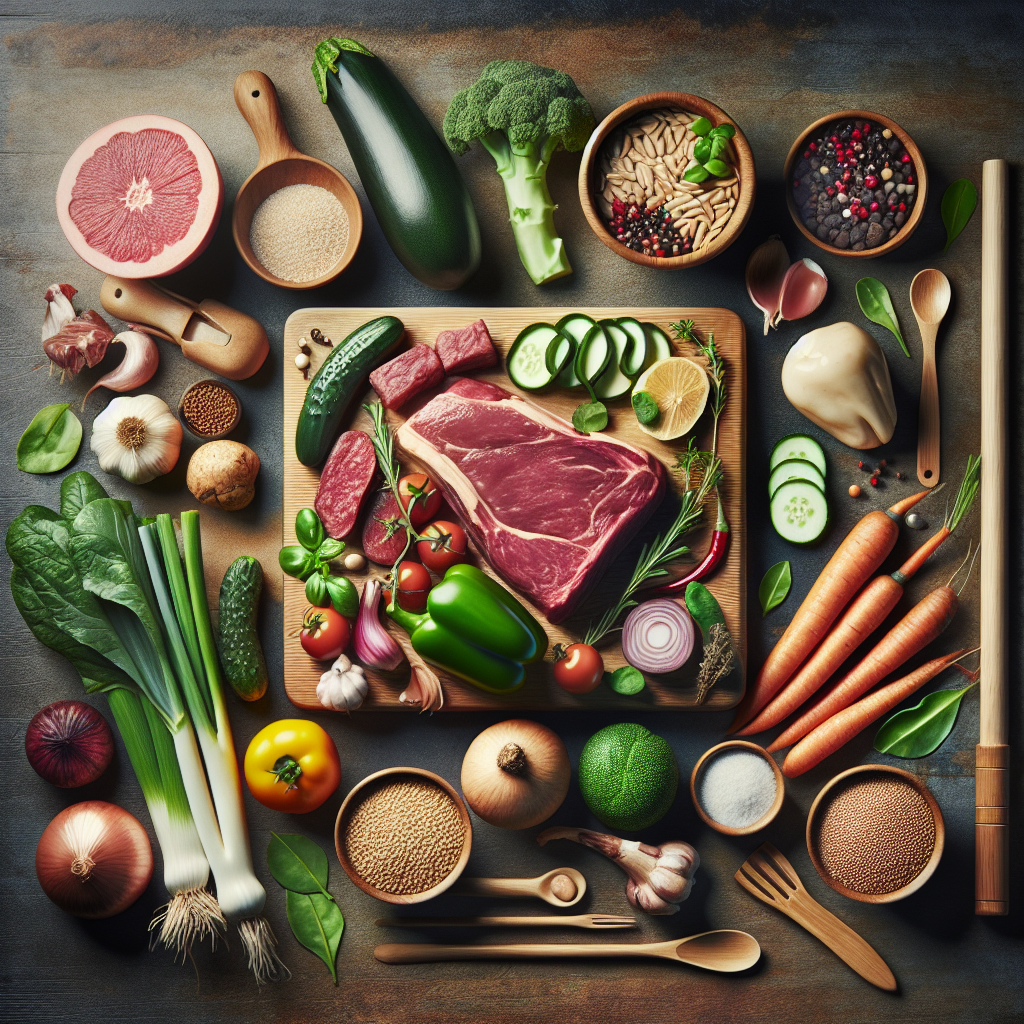

Discover Wild Game: The Sustainable Meat Choice for Eco-Conscious Eaters
As the global conversation about sustainability and responsible eating intensifies, many consumers are seeking eco-friendly alternatives to conventional meat. One increasingly popular option is wild game—a protein source that not only offers exceptional flavor but also aligns with sustainable practices. In this blog post, we’ll delve into the benefits of incorporating wild game into your diet, showcasing why it’s an excellent choice for both health-conscious consumers and environmentally aware eaters.
What is Wild Game?
Wild game refers to meat from animals that are hunted in their natural habitat rather than raised on farms. This category includes deer, elk, wild boar, waterfowl, and various game birds. These animals roam freely, feeding on a natural diet that results in lean, nutrient-rich meat.
The Environmental Impact: Sustainable and Eco-Friendly
1. Lower Carbon Footprint
One of the most compelling reasons to choose wild game is its significantly reduced carbon footprint compared to conventional livestock farming. According to a study by the Food and Agriculture Organization (FAO), livestock production is responsible for about 14.5% of global greenhouse gas emissions. Wild game hunting often results in less carbon-intensive meat production, as it eliminates the need for land clearing, feed production, and water usage associated with intensive farming.
2. Conservation and Habitat Restoration
Many wild game hunting programs actively contribute to wildlife conservation and habitat restoration. Purchasing licenses and tags helps fund wildlife management initiatives that maintain healthy ecosystems. As you enjoy wild game, you’re also supporting these essential efforts to sustain wildlife for future generations.
Nutritional Benefits of Wild Game
3. Leaner Meat Source
Wild game is generally leaner than its farmed counterparts. Animals such as deer and elk have less body fat, resulting in lower calorie counts and a higher ratio of protein per serving. For health-conscious eaters, this means more nutrition with fewer calories.
4. Rich in Omega-3 Fatty Acids
Unlike farmed animals, wild game typically feeds on a natural and diverse diet, leading to higher levels of beneficial omega-3 fatty acids. Studies have shown that the fatty acid profiles of wild game can significantly reduce inflammation and improve heart health.
Taste and Versatility in Cooking
5. Unique Flavor Profiles
Wild game offers a depth of flavor that is often unmatched by domesticated meats. The varied diets of these animals infuse their meat with distinctive tastes that reflect their environment. Experimenting with wild game can elevate your culinary skills and impress your guests.
6. Versatile Recipe Options
From hearty stews to grilled steaks, wild game can be cooked in numerous ways. Many recipes are adaptable, allowing you to use your favorite seasonings and cooking techniques. Consider trying wild venison chili, roasted pheasant, or pan-seared duck breast to experience the rich flavors that wild game has to offer.
Practical Tips for Sourcing and Cooking Wild Game
7. Where to Find Quality Wild Game
If you’re eager to add wild game to your menu, look for local hunters or specialty game meat suppliers in your area. Farmers’ markets often have vendors who sell ethically sourced wild game. Online retailers also provide access to a broader selection of meats if sourcing locally proves challenging.
8. Preparing Wild Game Meat
When cooking wild game, consider marinating it beforehand to enhance tenderness and flavor. Due to its low fat content, it’s important to avoid overcooking, which can lead to tough meat. Sous-vide, grilling, or slow cooking methods work particularly well to keep the meat juicy and flavorful.
Health Notes
In summary, here’s a recap of the key benefits of including wild game in your diet:
- Sustainability: Wild game hunting supports wildlife conservation and has a lower carbon footprint than traditional livestock farming.
- Nutritional Benefits: It’s naturally leaner, high in protein, and contains beneficial omega-3 fatty acids that promote heart health.
- Flavor and Versatility: Wild game offers a unique taste experience with various cooking options suited for any culinary style.
Incorporating wild game into your diet not only provides delicious meals but also aligns with your values as an eco-conscious eater. Consider exploring this sustainable meat option, and enjoy the myriad benefits it brings to your table.
For additional insights and to dive deeper into the data around wild game consumption and its benefits, consider exploring resources from organizations like the National Wildlife Federation and the Wildlife Society.
Embrace wild game as a nutritious and environmentally friendly choice that supports not just your health but the planet as well!