

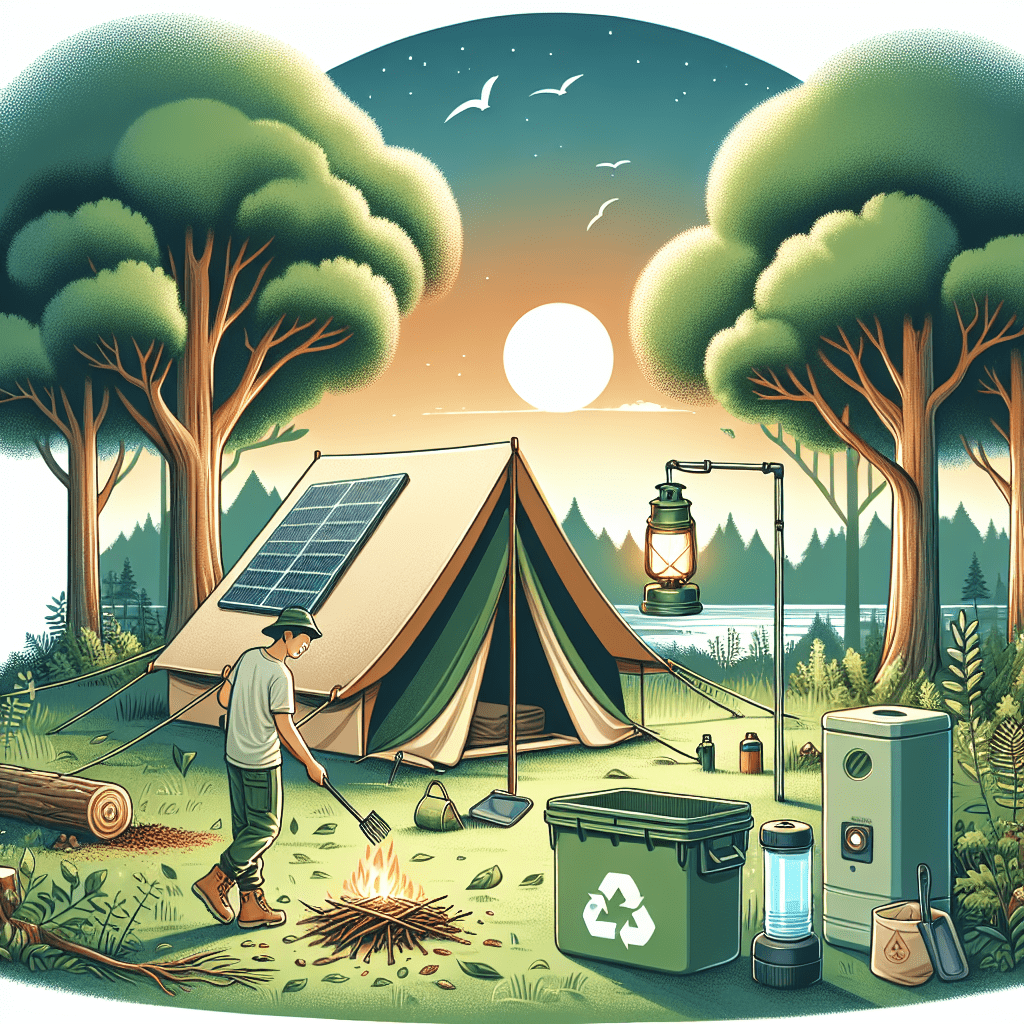

Have you ever stood beneath a canopy of stars, the gentle rustle of leaves whispering secrets of the wild, and thought about the impact your presence has on this breathtaking space? Eco-friendly camping isn’t merely a trend; it’s a responsibility and adventure rolled into one. As nature lovers, it’s crucial for us to explore, enjoy, and protect the great outdoors. This is where sustainable practices come into play—transforming our camping experiences into environmentally conscious journeys.
Every time I pack my gear, I remember a particular trip to the serene shores of Lake Tahoe. The sun was setting, casting a golden hue across the water, yet a nagging thought lingered in my mind: What kind of footprint am I leaving here? That trip ignited my passion for eco-friendly camping, and today, I want to share the lessons I’ve learned along the way.
Sustainability in camping is not just about what you bring or leave behind, but also about how you interact with the environment. In this post, we’ll explore actionable steps, compelling anecdotes, and top-notch tips to make your next adventure both memorable and sustainable. Let’s unite as outdoor enthusiasts and honor the beauty of nature by committing to eco-friendly practices!
Why Eco-Friendly Camping Matters
Our planet faces numerous environmental challenges, and nature lovers have a unique role in advocating for its preservation. Every hike taken, every campsite set up, and every campfire created leaves an impact. Sustainable camping helps mitigate environmental degradation, reduces waste, and fosters biodiversity.
I remember hiking in the Smoky Mountains, amazed by the vibrant flora, and suddenly coming across an abandoned campsite strewn with plastic. That heart-wrenching sight reinforced my commitment to eco-friendly practices. Nature thrives on balance, and our camping choices can tip the scales one way or the other.
Essential Eco-Friendly Camping Gear
Choosing the right gear is fundamental to eco-friendly camping. Here’s a checklist to get you started:
Reusable Containers and Utensils
Instead of relying on single-use plastic cutlery or plates, invest in reusable containers and utensils. Not only do they cut down on waste, but they also enhance your outdoor dining experience. I recall using my stainless steel camping cup to sip herbal tea while watching the sunrise—a simple act, yet it felt luxurious and sustainable.
Solar-Powered Gadgets
Harness the power of the sun! Whether it’s solar chargers for your devices or solar-powered lanterns, these gadgets reduce reliance on batteries and provide a renewable energy source. During one camping trip, I relied on a solar lantern to illuminate my tent at night, marveling at the cozy ambiance it created without the harshness of traditional lights.
Eco-Friendly Sleeping Gear
Opt for eco-conscious sleeping bags and mats made from sustainable materials, like organic cotton and recycled polyester. Your comfort doesn’t have to come at the earth’s expense. One particularly chilly night in the Canadian Rockies, snuggling into my eco-friendly sleeping bag, I felt a sense of warmth not just from the insulation, but also from knowing I was making a conscientious choice.
Responsible Litter Management
When it comes to camping, packing out what you pack in is non-negotiable. Follow these tips to manage your waste responsibly:
Leave No Trace Principles
Familiarize yourself with the Leave No Trace principles, which emphasize respect for nature. Each principle offers practical advice, from planning ahead to minimizing campfire impacts.
During my last trip to the Olympic Peninsula, we carried out our waste—including biodegradable materials. It was a small effort that helped maintain the vibrancy of that beautiful ecosystem.
Composting and Recycling
When feasible, practice composting organic waste, and separate recyclables. Many campgrounds now provide designated bins, making it easier than ever to manage waste responsibly. Sharing this practice with fellow campers has led to enlightening discussions around maintaining a cleaner environment.
Wildlife Interaction and Safety
Encounters with wildlife are one of the most exhilarating aspects of camping, but they come with responsibilities:
Observing Wildlife Respectfully
When observing animals in their habitat, maintain a safe distance and avoid feeding them. A memorable experience for me was watching a family of deer from a distance during my trip to the Grand Canyon; I learned that by allowing them space, I was contributing to their natural behaviors.
Secure Your Food
Use bear-proof containers or hang your food supplies if camping in bear country. Keeping wildlife and yourself safe is paramount. The first time I camped near Yosemite, my initial oversight led to a curious bear rummaging through our food stash. That experience taught me the value of proper food storage—a crucial aspect of eco-friendly camping.
Eco-Friendly Campfires
Campfires can provide warmth and a sense of community, but they can also inflict damage on landscapes. Here’s how to have eco-friendly campfires:
Choose Established Fire Rings
When setting up a fire, opt for designated fire rings. This minimizes the risk of damaging surrounding vegetation.
Use Eco-Friendly Firewood
If possible, use locally sourced firewood. This prevents the transport of pests and diseases that can harm regional forests. During my near-silent nights, when the crackling of responsibly sourced firewood echoed through the woods, I felt one with the environment.
Water Conservation Techniques
Water is a precious resource. Employ these techniques to conserve water while camping:
Minimal Water Usage
Use just enough water for cooking and cleaning. Just like my experience in Utah’s deserts, where every drop mattered, minimizing water waste can be essential for some environments.
Water Safe Practices
Always purify water before consumption, and never wash dishes or bathing supplies in natural water sources. Instead, use a designated area far from water bodies.
Wrap-Up / Key Takeaways
Eco-friendly camping is not merely about personal choices; it’s a collective responsibility we hold to protect our planet. By choosing sustainable gear, practicing responsible litter management, observing wildlife respectfully, enhancing our campfire practices, and conserving water, we can enjoy the great outdoors while preserving its beauty for future generations.
Let the lessons we’ve shared inspire you to embark on your own eco-conscious adventures. Nature is calling!
Reader Questions Answered
What are the key practices for eco-friendly camping?
Key practices include using reusable gear, following Leave No Trace principles, conserving water, and respecting wildlife.
How can I minimize my carbon footprint while camping?
Opt for sustainable transportation methods, such as carpooling, and use eco-friendly gear made from sustainable materials.
What should I do if I see litter in the wild?
Always carry out what you find. If safe, pick it up, and encourage others to do the same to foster a culture of respect for nature.
FAQs
Can I camp without generating waste?
Yes! Use reusable containers and cutlery, and practice Leave No Trace principles.
Is it safe to see wildlife while camping?
Absolutely, but always observe from a distance and avoid feeding them.
How can I ensure my campfire is eco-friendly?
Use established fire rings, burn only local firewood, and ensure the fire is fully out before leaving.
Embark on your outdoor adventures with a sense of purpose and a sustainable mindset. Let’s protect our cherished landscapes together!