

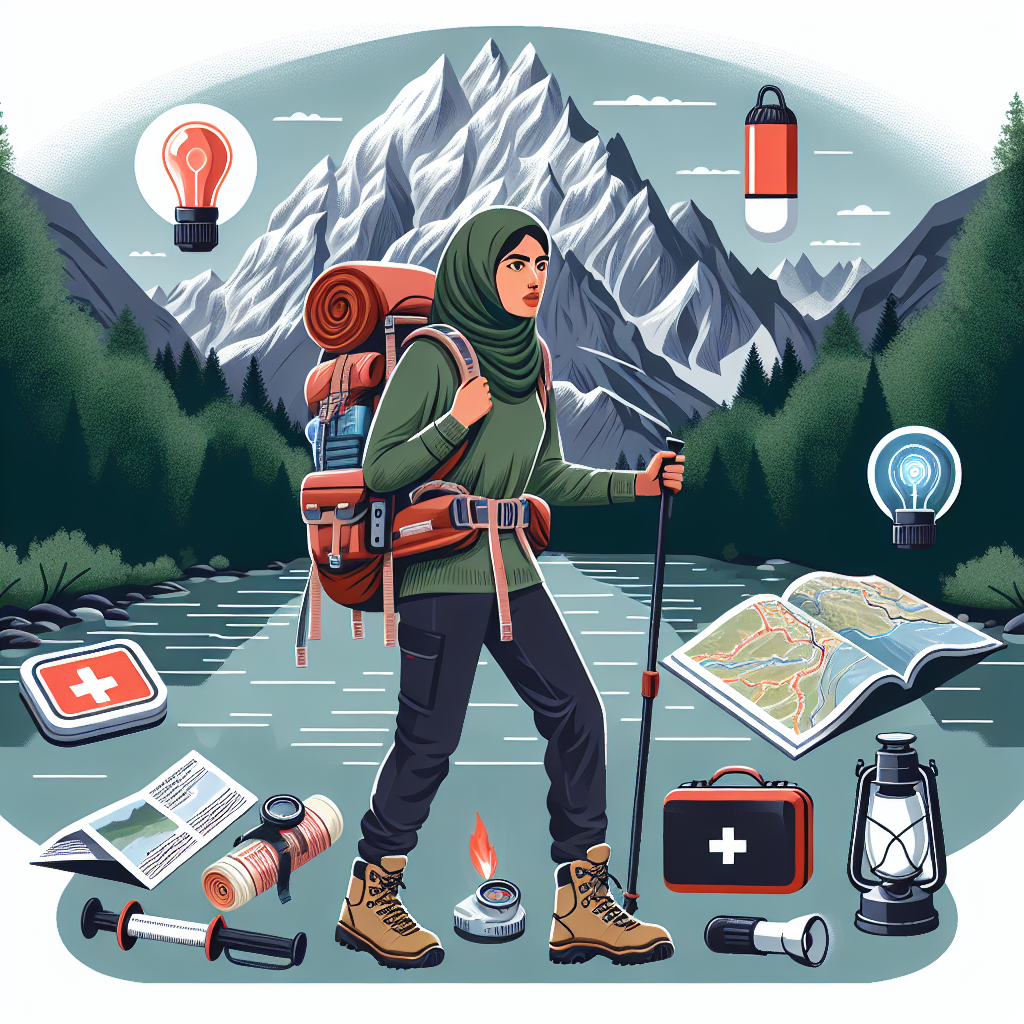

Imagine standing at the foot of a majestic mountain, the trail winding upward like an inviting ribbon into a sea of green—the thrill of solo backpacking beckons, and you’re captivated. But as exhilarating as it is to embark on an adventure alone, the responsibility for your safety falls squarely on your shoulders. Getting lost in nature can be both awe-inspiring and daunting. Have you ever wondered how to ensure you’re well-prepared while enjoying the Freiheit of solo trekking? This post dives deep into essential safety tips for solo backpackers, blending practical advice with engaging stories that will equip you for your next outdoor trek.
The Importance of Planning and Preparation
When it comes to solo backpacking, proper planning can mean the difference between a blissful adventure and an unforgettable nightmare.
Consider this: on my first solo backpacking trip, I was pumped. I had all the gear—a sturdy tent, a new sleeping bag, and countless snacks. But I’d completely underestimated the trail conditions. Halfway through, I found myself navigating a dense thicket, soaked in sweat, and with multiple scratches adorning my arms from branches I hadn’t seen. The bad weather rolled in without warning, and with no backup plan, I ended up huddled in my tent, listening to the storm rage outside.
Key takeaway? Always check the weather beforehand!
Before setting off, consider these crucial steps:
- Research Your Route: Familiarize yourself with the trail maps and topography. Apps like AllTrails can guide you, but carrying a physical map is often wise.
- Inform Someone: Always tell a friend or family member about your itinerary. In the event of an emergency, communication can be your lifeline.
- Training and Skills: Consider taking a wilderness survival course or a first-aid training class. Knowing how to handle unexpected situations can be invaluable.
Essential Gear for Solo Backpacking Safely
Gear goes beyond the essentials; it can be a matter of life and death when you’re out in the wild.
On one solo trek through the Pacific Northwest, I made the mistake of believing a simple pair of sneakers sufficed for my footwear. As I scrabbled over rocks and roots, I twisted my ankle. The pain was immediate and sharp. I had to carefully navigate back down the mountain with a heavily bandaged foot, learning an important lesson about proper footwear. Always ensure your gear complements your trek.
Here’s a checklist of essential gear:
- Sturdy Footwear: Invest in a pair of quality hiking boots tailored to the terrain.
- Navigation Tools: Map, compass, and GPS are non-negotiable.
- Safety Equipment: Carry a whistle, flashlight, and multi-tool for emergencies.
- First-Aid Kit: A portable kit can aid greatly in minor injuries. Ensure it includes items that cater to your personal medical needs.
Staying Secure While Solo Backpacking
Safety on the trail doesn’t just involve gear; it encompasses your behavior as well.
While camping along the Appalachian Trail, I met fellow hikers who taught me the art of making your presence known—after all, a quiet trail can invite unwelcome surprises. I often remember a night when I heard rustles in the underbrush; I had kept my campfire alive and made noise, which kept away the curious wildlife.
Here’s how to stay secure while backpacking alone:
- Stay Visible: Choose well-trodden paths and avoid secluded areas.
- Use Campfire Wisely: A campfire can signal your presence to other hikers and deter wildlife.
- Trust Your Instincts: If something feels off, don’t second-guess yourself. Move to a different location or redirect your route.
Navigating Wilderness with Confidence
When faced with the unknown, confidence shines through meticulousness.
On one brisk autumn day, I lost my way amidst towering pines. Instead of panicking, I recalled my training in Calisthenics, and built a plan in moments. Remaining calm helped as I checked my compass, consulted my maps, and retraced my steps. It took an extra hour, but I emerged back onto the main trail, triumphant. The experience reinforced the importance of staying calm and collected in unfamiliar territories.
To navigate with confidence, consider these strategies:
- Frequent Checks: Regularly check your position on the map against recognizable landmarks.
- Pacing Yourself: Avoid rushing to stay ahead; negative impacts from fatigue could cloud your judgment on the trails.
- Community Engagement: Talk to other hikers along the way; their experiences could enrich your journey.
Embrace the Elements with Respect
Nature’s beauty can swiftly turn into danger. Understanding the weather patterns of your area and how to adapt can be a lifesaver.
During one of my solo trips to Yellowstone, a sudden snowstorm rolled in and covered the land in a thick layer of white. I had wisely packed my moisture-wicking layers and waterproof gear, allowing me to remain comfortable even as the landscape transformed into a winter wonderland. I couldn’t have imagined a more beautiful sight than trees dressed in glistening white in the fading light.
Essential weather tips include:
- Clothing Layers: Dress in layers to adjust easily to changing temperatures.
- Weather Apps: Utilize reliable weather applications or radios for updates while on the go.
- Know the Signs: Learn to predict weather patterns based on nature to stay ahead of incoming storms.
Wrap-Up / Key Takeaways
Solo backpacking is an adventure filled with discovery and opportunities for personal growth. To maintain safety while embracing the freedom of the trails, always prepare adequately. Whether it’s researching your route, equipping yourself with the right gear, or reading nature’s signs, trust in the process and relish every moment of consequence and triumph. With proper planning, you can find joy in the solitude of your journey.
Reader Questions Answered
Q1: What essential items should I pack for a solo backpacking trip?
A: Always include a quality map, GPS, first-aid kit, hydration system, ample food, and shelter like a tent or hammock. Trustworthy footwear is essential for protection and comfort.
Q2: How can I stay safe from wildlife while backpacking alone?
A: Keep your campsite clean, store food in bear-resistant containers, and make your voice heard while hiking to deter wildlife. If you encounter an animal, maintain a safe distance and avoid confrontation.
Q3: What resources can help me prepare for a solo backpacking adventure?
A: Check local resources like visitor centers, national park sites, and hiking clubs. Numerous online forums and hiking blogs can offer personal insights and experiences that are genuinely helpful.
FAQs
Q1: Is solo backpacking safe?
A: Yes, solo backpacking can be safe with adequate planning, preparation, and respect for nature. Stay informed and trust your instincts.
Q2: How do I navigate if I’m lost?
A: Calmly assess your surroundings, utilize your compass and map, and retrace your steps until you regain your path.
Q3: What should I do if I have an accident on the trail?
A: If you’re capable, stabilize any injuries using your first-aid kit, signal for help with a whistle, and try to reach a safe spot or trailhead for further assistance.
By following these essential safety tips for solo backpackers, you are equipped to step into the wild with confidence. So lace up those boots and venture beyond! Adventure awaits.