

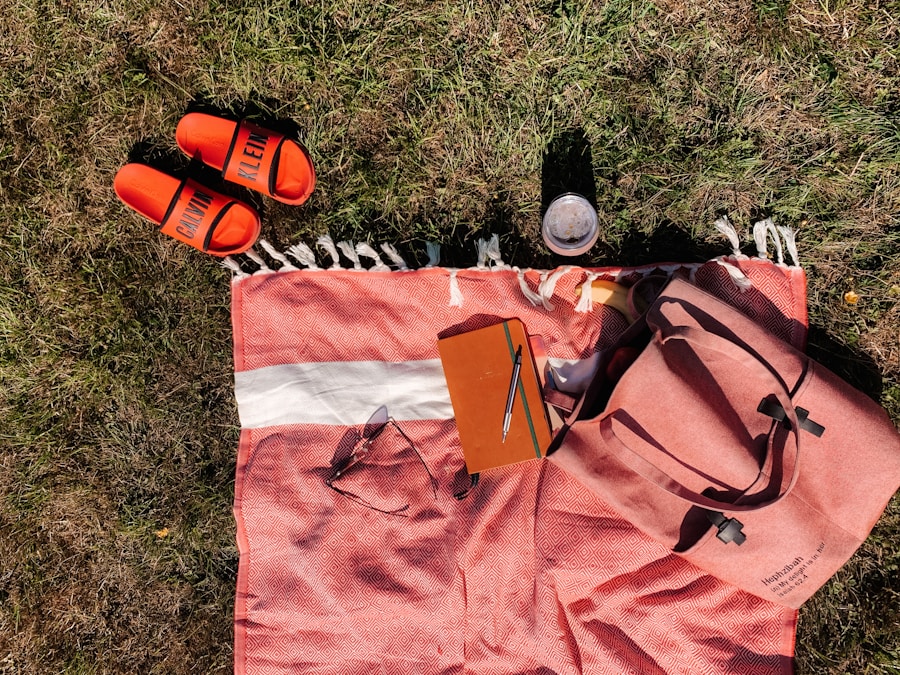

When you embark on a camping adventure, the first thing you need to consider is your shelter and sleeping gear. A good night’s sleep is essential for enjoying your outdoor experience, and the right equipment can make all the difference. Start with a reliable tent that suits your needs.
Whether you prefer a lightweight backpacking tent or a spacious family tent, ensure it is durable and weather-resistant. Look for features like easy setup, good ventilation, and ample space for your gear. Remember, the last thing you want is to struggle with a complicated tent setup after a long day of hiking.
In addition to your tent, don’t overlook the importance of sleeping gear. A comfortable sleeping bag is crucial for staying warm during chilly nights. Choose one that is rated for the temperatures you expect to encounter.
If you’re camping in warmer weather, a lightweight sleeping bag will suffice, while colder climates may require a heavier, insulated option. Pair your sleeping bag with a quality sleeping pad or air mattress to provide cushioning and insulation from the ground. This combination will ensure you wake up refreshed and ready to tackle the day’s adventures. I found the perfect camping tent for our trip at https://amzn.to/43QJ0Uy.
Cooking and Food Supplies
Cooking and food supplies are vital components of any camping trip. You’ll want to plan your meals ahead of time, ensuring you have all the necessary ingredients and equipment. Start by investing in a portable camping stove or grill that suits your cooking style.
Whether you prefer gas, propane, or charcoal, having a reliable heat source will allow you to prepare delicious meals in the great outdoors. Don’t forget to pack essential cooking utensils like pots, pans, spatulas, and knives to make meal prep easier. When it comes to food storage, opt for airtight containers or coolers to keep perishables fresh.
Ice packs can help maintain the temperature of your cooler, but be sure to check local regulations regarding food storage in bear country. Prepping meals in advance can save time and effort while camping. Consider making freezer-friendly meals that can be easily reheated over the campfire or stove.
Snacks are also important; pack energy bars, nuts, and dried fruits for quick bites during hikes or activities.
Clothing and Footwear
Choosing the right clothing and footwear is essential for a successful camping experience. The weather can change rapidly in the great outdoors, so layering is key. Start with moisture-wicking base layers that keep sweat away from your skin.
Add insulating layers like fleece or down jackets for warmth, and finish with a waterproof and breathable outer layer to protect against rain and wind. Don’t forget to pack extra socks and underwear; staying dry is crucial for comfort. Footwear is equally important when it comes to camping gear.
Invest in sturdy hiking boots that provide support and traction on various terrains. Make sure they are broken in before your trip to avoid blisters. If you plan on spending time near water, consider packing a pair of sandals or water shoes for comfort while wading or swimming.
Remember that your clothing choices should also reflect the activities you plan to engage in—whether it’s hiking, fishing, or simply lounging around the campsite.
Personal Hygiene and First Aid
Maintaining personal hygiene while camping can be challenging but is essential for your comfort and health. Pack biodegradable soap for washing dishes and yourself, as well as a quick-dry towel for drying off after washing up. Don’t forget essentials like toothbrushes, toothpaste, and toilet paper—these items can make a significant difference in your overall experience.
If you’re camping in a remote area without facilities, consider bringing a portable toilet or digging a cat hole for waste disposal. In addition to hygiene supplies, a well-stocked first aid kit is crucial for any camping trip. Accidents can happen, so be prepared with band-aids, antiseptic wipes, pain relievers, and any personal medications you may need.
Familiarize yourself with basic first aid procedures before heading out; knowing how to treat minor injuries can be invaluable in the wilderness. It’s also wise to include insect repellent and sunscreen in your kit to protect against bites and sunburns during your outdoor adventures.
Navigation and Safety Equipment
When exploring the great outdoors, navigation and safety equipment are paramount for ensuring a safe journey. A reliable map and compass should always be part of your gear, even if you plan to use GPS devices or smartphone apps. Technology can fail due to dead batteries or poor reception, so having traditional navigation tools on hand is essential.
Familiarize yourself with reading maps and using a compass before your trip; this knowledge can help you stay oriented in unfamiliar terrain. Safety equipment should also include items like a whistle, headlamp or flashlight, and extra batteries. A multi-tool can come in handy for various tasks around the campsite or during hikes.
Additionally, consider carrying a personal locator beacon (PLB) or satellite messenger if you plan on venturing into remote areas where cell service is unavailable. These devices can be lifesavers in emergencies by allowing you to send distress signals or communicate with rescue services.
Entertainment and Recreation Gear
Evening Entertainment
Packing lightweight games like cards or travel-sized board games can be a great way to spend your evenings around the campfire. A good book or e-reader can also provide hours of entertainment while relaxing at your campsite or during downtime between activities.
Active Recreation
If you’re looking for more active forms of entertainment, consider bringing outdoor gear such as frisbees, fishing rods, or hiking poles. Depending on your location, you might also want to pack bicycles for exploring nearby trails or kayaks for paddling on lakes or rivers. Engaging in recreational activities not only keeps spirits high but also allows you to bond with fellow campers and create lasting memories.
Planning for a Successful Camping Trip
In conclusion, preparing for a camping trip involves careful consideration of various gear categories—from shelter and cooking supplies to personal hygiene and entertainment options. By ensuring you have everything you need for comfort, safety, and enjoyment, you’ll set yourself up for an unforgettable outdoor adventure. As you plan your next trip, think about what worked well in the past and what could be improved upon; every experience offers valuable lessons.
Share Your Thoughts
Share your thoughts or experiences in the comments below—what are your must-have items for camping?
FAQs
What should be included in a summer camping gear checklist?
A summer camping gear checklist should include essential items such as a tent, sleeping bag, sleeping pad, camping stove, cookware, water purification system, first aid kit, flashlight or headlamp, multi-tool or knife, and appropriate clothing for the weather.
What type of tent is best for summer camping?
A lightweight and well-ventilated tent is best for summer camping. Look for a tent with mesh panels for airflow and a rainfly for protection from summer storms.
What kind of sleeping bag is suitable for summer camping?
A summer sleeping bag should be lightweight and have a temperature rating appropriate for the expected nighttime temperatures. Look for a bag with a comfort rating of 35-45°F for summer camping.
What type of cookware is essential for summer camping?
Essential cookware for summer camping includes a camping stove, fuel, a pot or pan for cooking, utensils, and plates or bowls. Lightweight and durable options are best for backpacking, while car camping allows for larger and heavier cookware.
What should be included in a first aid kit for summer camping?
A first aid kit for summer camping should include items such as adhesive bandages, gauze pads, adhesive tape, antiseptic wipes, tweezers, scissors, pain relievers, blister treatment, and any necessary personal medications.
What type of clothing is recommended for summer camping?
Clothing for summer camping should include moisture-wicking and quick-drying materials to help manage sweat and stay comfortable. Pack lightweight and breathable layers, including a moisture-wicking base layer, insulating layer, and a waterproof and windproof outer layer. Don’t forget a hat, sunglasses, and appropriate footwear.