

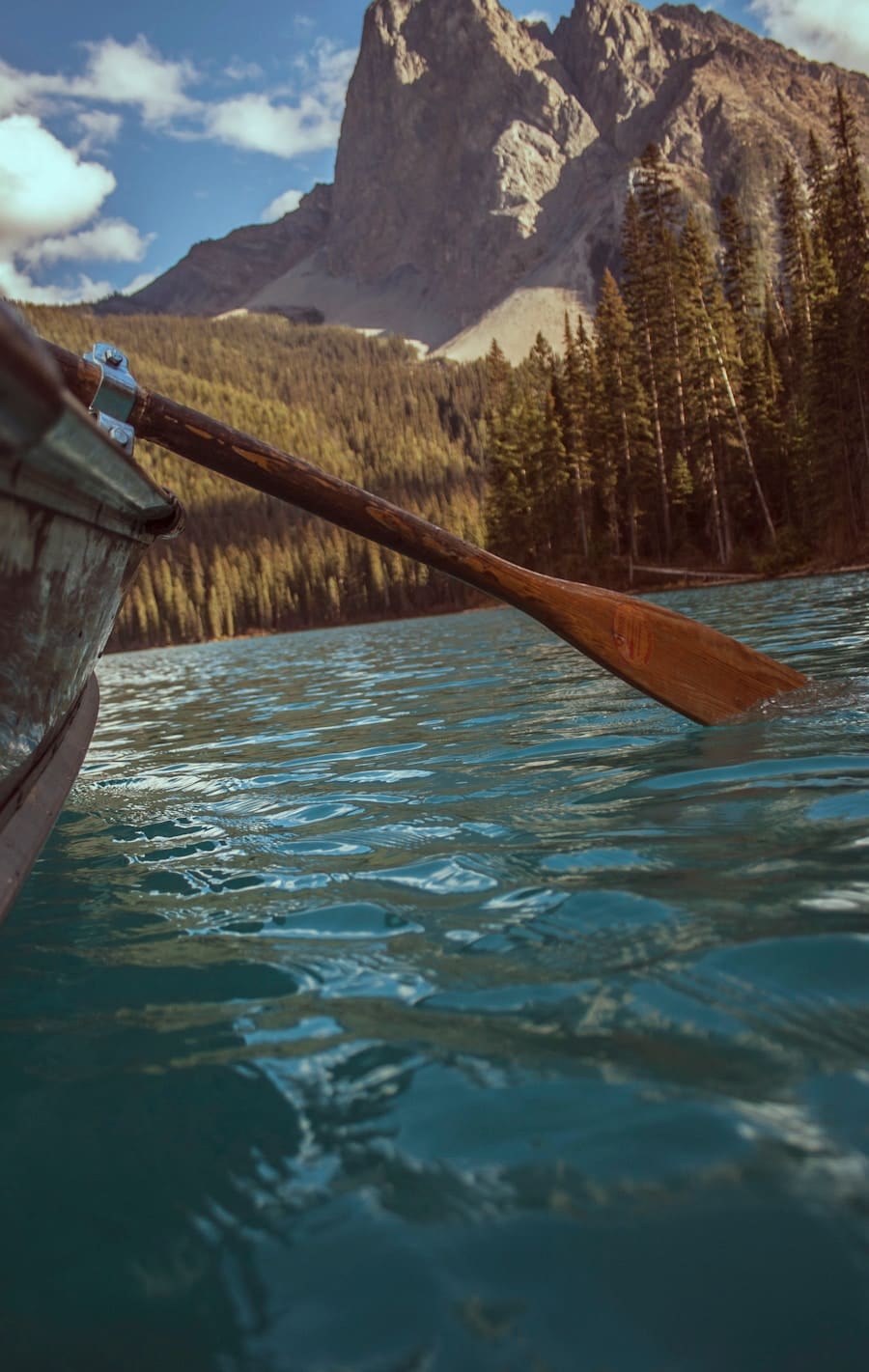

**Understanding Water Conditions: The Key to Safe Paddling** For paddlers venturing into open water, understanding water conditions is paramount. Knowledge of potential hazards such as currents, tides, and waves can mean the difference between a safe outing and a dangerous situation. Currents can be particularly deceptive; they may appear calm on the surface but can possess significant strength beneath.
According to the U.S. Coast Guard, nearly 80% of boating accidents are attributed to operator error, often stemming from a lack of awareness about water conditions. Tides also play a crucial role in paddling safety.
They can change rapidly, affecting water levels and creating strong currents. Paddlers should familiarize themselves with local tide charts and plan their trips accordingly. Waves, too, can pose a threat, especially for those in smaller crafts.
Understanding how to read wave patterns and recognizing when conditions are too rough for safe paddling is essential for all skill levels. **Proper Equipment: Essential Gear for Safety on the Water** Equipping oneself with the right gear is a fundamental aspect of paddling safety. Life jackets, or personal flotation devices (PFDs), are non-negotiable.
The U.S. Coast Guard mandates that all paddlers wear a PFD, and for good reason: they save lives. Helmets are also recommended, particularly for those navigating rocky waters or engaging in whitewater paddling.
A well-fitted helmet can protect against head injuries in the event of a capsize or collision. In addition to personal safety gear, communication devices are vital. A waterproof phone case or a VHF radio can be lifesavers in emergencies.
Paddlers should also consider carrying a whistle, which is an effective signaling device that can be heard over long distances. According to the American Canoe Association, having the right equipment not only enhances safety but also boosts confidence on the water. **Kayak Safety Tips: Navigating with Confidence** Kayaking presents unique challenges that require specific safety measures.
Proper paddling techniques are essential for maintaining control and stability. Beginners should focus on mastering basic strokes and body positioning to enhance their balance and efficiency on the water. Advanced paddlers can benefit from refining their techniques to navigate more challenging conditions.
Capsizing is a reality that all kayakers must prepare for, regardless of experience level. Knowing how to perform a wet exit—where the paddler releases their grip on the kayak and swims to safety—is crucial. Additionally, practicing self-rescue techniques, such as the T-rescue or paddle float rescue, can significantly increase a paddler’s chances of survival in an emergency situation.
Statistics show that practicing these techniques can reduce panic and improve response time during real-life incidents. **Canoe Safety Guide: Best Practices for Canoeing** Canoeing requires its own set of safety guidelines that every canoeist should be familiar with. Properly loading and balancing the canoe is critical to prevent capsizing.
Canoeists should distribute weight evenly and ensure that gear is secured to avoid shifting during transit. This practice not only enhances stability but also improves maneuverability in various water conditions. Self-rescue techniques are equally important for canoeists.
In the event of a capsize, knowing how to re-enter the canoe efficiently can save lives. Canoeists should practice techniques such as the “swim-up” method, where they swim alongside the canoe and pull themselves back in from the side. Additionally, being prepared for emergency situations—such as sudden weather changes or equipment failure—can make all the difference in ensuring a safe return to shore.
**Weather Awareness: Staying Informed Before You Paddle** Before embarking on any paddling adventure, checking the weather forecast is essential. Weather conditions can change rapidly, and being caught unprepared can lead to dangerous situations. Paddlers should look for updates on wind speed, precipitation, and temperature changes that could affect their outing.
In addition to checking forecasts, paddlers should be aware of local weather patterns and how they can influence water conditions. For instance, sudden storms can create hazardous waves and currents that may not have been present earlier in the day. According to the National Oceanic and Atmospheric Administration (NOAA), nearly 30% of boating accidents are weather-related, underscoring the importance of vigilance when it comes to weather awareness.
**Navigation and Communication: Essential Skills for Paddlers** A basic understanding of navigation techniques is crucial for all paddlers. Familiarity with maps, compasses, and GPS devices can help paddlers stay oriented and avoid getting lost in unfamiliar waters. Beginners should start by learning how to read topographic maps and identify landmarks that can serve as navigational aids.
Communication devices are equally important for safety on the water. Carrying a whistle or a waterproof phone case ensures that paddlers can call for help if needed. In emergencies, clear communication can be vital for coordinating rescue efforts.
According to the American Canoe Association, having a plan in place for communication can significantly enhance safety during group outings. **Group Safety: The Benefits of Paddling Together** Paddling in groups offers numerous safety advantages that solo paddlers may miss out on. When venturing out with others, it’s essential to establish a communication plan before hitting the water.
This plan should include designated meeting points and protocols for checking in with one another throughout the trip. In addition to communication strategies, group dynamics can enhance safety through shared responsibilities. For instance, experienced paddlers can mentor beginners, ensuring that everyone is equipped with essential skills and knowledge.
According to research from the Outdoor Foundation, group outings not only improve safety but also foster camaraderie among participants. **Training and Education: Investing in Water Safety Skills** For those serious about paddling safety, investing in training and education is invaluable. Water safety courses provide essential skills and techniques that can significantly enhance a paddler’s confidence and competence on the water.
These courses often cover topics such as rescue techniques, navigation skills, and emergency preparedness. Organizations like the American Canoe Association offer various courses tailored to different skill levels, ensuring that both beginners and advanced paddlers can benefit from professional instruction. By participating in these courses, paddlers not only improve their own safety but also contribute to a culture of safety within the paddling community.
**Conclusion: Engage with Safety on the Water** In conclusion, understanding water conditions, equipping oneself properly, and adhering to safety guidelines are crucial components of safe paddling experiences. Whether kayaking or canoeing, being aware of weather patterns, navigation techniques, and group dynamics enhances overall safety on open water. Paddlers are encouraged to take proactive steps by investing in training courses and practicing essential skills regularly.
Engaging with fellow paddlers about safety practices fosters a supportive community dedicated to enjoying the water responsibly. As you prepare for your next adventure on the water, remember that knowledge is your best ally in ensuring a safe and enjoyable experience. Share your thoughts or experiences in the comments below—what safety tips have you found most helpful during your paddling journeys?
**Image Placement Suggestions:**
1. Image of a kayaker navigating rough waters (Alt text: “Kayaker navigating challenging waves”)
2. Image of properly equipped paddlers wearing life jackets (Alt text: “Paddlers wearing life jackets for safety”)
3.
Image of a group of canoeists practicing self-rescue techniques (Alt text: “Canoeists practicing self-rescue techniques”)
4. Image of a weather forecast screen with storm warnings (Alt text: “Weather forecast showing storm warnings for paddlers”)
For more information on staying safe while enjoying outdoor activities, check out this article on how to switch plans with ease. It provides valuable tips on navigating changes in your outdoor adventure plans and ensuring a smooth transition for a safe and enjoyable experience. Remember, being prepared and informed is key to having a successful outing in any open water setting.
FAQs
What are some essential water safety tips for paddlers?
Some essential water safety tips for paddlers include wearing a properly fitted life jacket, checking weather and water conditions before heading out, staying hydrated, and knowing how to self-rescue and assist others in case of an emergency.
What should paddlers do to prepare for a safe outing on open water?
Paddlers should prepare for a safe outing on open water by taking a paddling safety course, familiarizing themselves with the area they will be paddling in, bringing essential safety gear such as a whistle and a first aid kit, and informing someone of their paddling plans.
What are some common hazards that paddlers should be aware of?
Common hazards that paddlers should be aware of include strong winds and currents, changing weather conditions, boat traffic, submerged obstacles, and cold water immersion.
How can paddlers stay safe in the event of a capsize or emergency?
Paddlers can stay safe in the event of a capsize or emergency by practicing self-rescue techniques, carrying a communication device such as a waterproof phone case or VHF radio, and knowing how to signal for help using visual and auditory signals.
What should paddlers do if they encounter a dangerous situation on the water?
If paddlers encounter a dangerous situation on the water, they should remain calm, assess the situation, and take appropriate action such as seeking shelter, paddling to shore, or signaling for help. It’s important to always prioritize personal safety and the safety of others.