

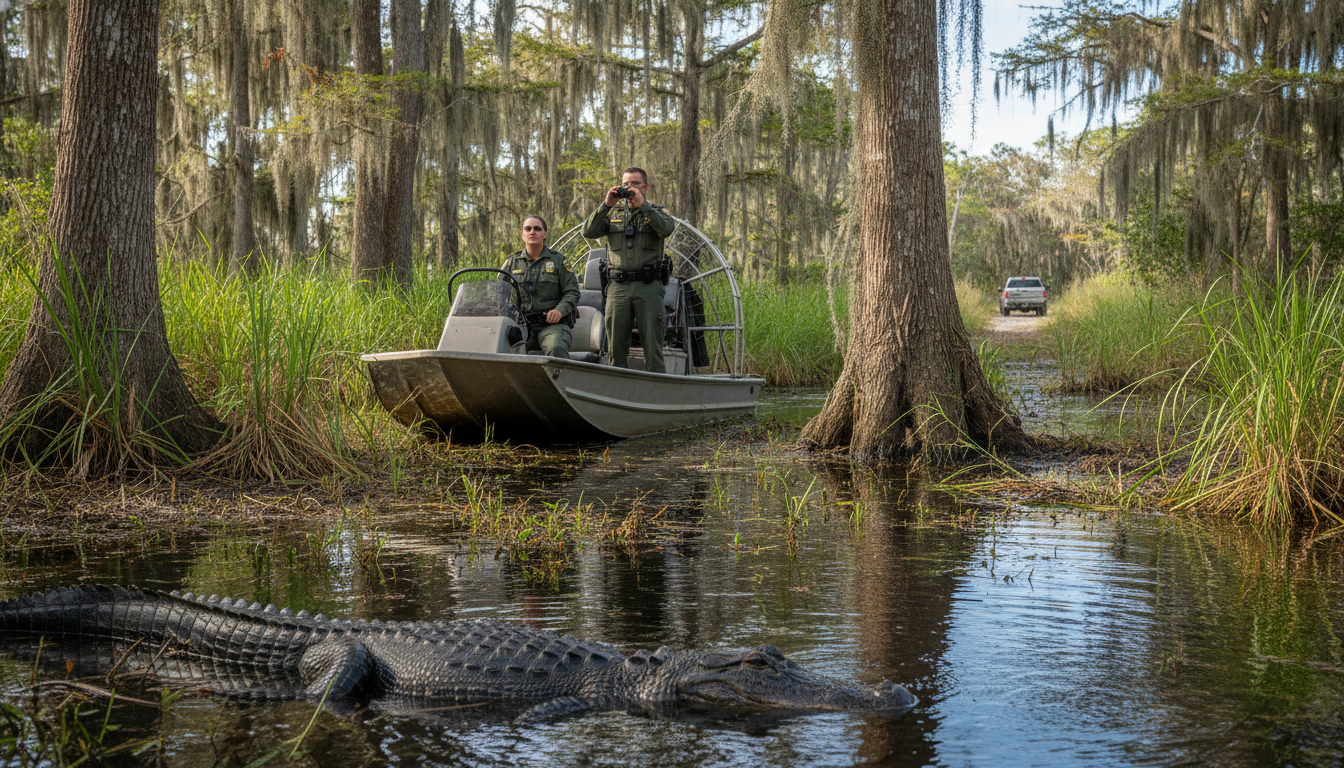

Florida Fish and Wildlife Conservation Commission: Key Developments in Conservation and Law Enforcement
Exploring the Recent Advances and Challenges Facing Florida’s Diverse Ecosystems
The Florida Fish and Wildlife Conservation Commission (FWC) has made significant strides in both conservation efforts and law enforcement in recent months. From sinking a massive freight ship to enhance marine habitats to appointing key personnel in wildlife law enforcement, the latest developments underscore the state’s commitment to preserving its unparalleled natural resources.
Major Marine Habitat Initiative: Sinking the EDM
On December 12, 2025, the FWC successfully sunk a 227-foot freight vessel, the EDM, to stimulate new marine habitat just nine miles offshore of the St. Lucie Inlet. Resting nearly 200 feet beneath the surface in Martin County, this artificial reef will provide a thriving ecosystem for various marine species and enhance recreational opportunities for anglers and divers alike.
Budget Priorities: A Commitment to Conservation
Governor Ron DeSantis’ “Floridians First Budget” underscores a renewed focus on protecting Florida’s vital aquatic resources. Encompassing over 34 million acres of land and more than 12,000 square miles of water, the budget prioritizes the rehabilitation of oyster reefs and the protection of manatees. It also reaffirms Floridians’ constitutional rights to hunt, boat, and fish, which are integral to both the culture and economy of the state.
Leadership Changes in Law Enforcement
The FWC has appointed Alberto Maza as the new Director of the Division of Law Enforcement, effective November 5, 2025. Col. Maza, who began his career with the FWC in 1998, brings decades of experience to the role. He’s expected to steer the agency into a new era of wildlife protection and enforcement.
High-Stakes Law Enforcement: Felony Conviction Highlights Neglect Case
On August 15, 2025, a significant investigation by the FWC resulted in a felony conviction related to the negligent care of reptiles. Authorities discovered 111 African fat-tailed geckos, 41 of which were found dead. This initiative highlights the ongoing challenges in wildlife protection and the need for rigorous enforcement regarding the treatment of exotic species.
Accolades in Conservation Law Enforcement
FWC Officer Jacob Wild received the prestigious Shikar-Safari Officer of the Year honor on August 13, 2025, recognizing his outstanding efforts in law enforcement. This accolade underscores the importance of exceptional dedication among conservation officers, who strive to maintain the state’s outdoor heritage.
Safety Measures: Addressing Boating Fatalities
As Florida leads the nation in boating fatalities, highlighted during National Safe Boating Week on May 23, 2025, the FWC released its 2024 boating accident report. Authorities are actively exploring strategies to enhance public safety on the water, particularly as vessel numbers continue to soar in the state’s mild climate.
The Lemur Case: Prosecution Recognized
Assistant State Attorney Benjamin Laing’s efforts in the successful prosecution of a high-profile shorebird poaching incident earned him the title of 2025 FWC Division of Law Enforcement Prosecutor of the Year. This recognition, granted on May 21, 2025, emphasizes collaborative efforts between legal professionals and conservation officers in protecting Florida’s wildlife.
Fatal Bear Encounter: A Wake-Up Call
In a harrowing incident on May 9, 2025, the FWC confirmed a fatal bear attack in Collier County, following reports of a missing individual with signs of disturbance attributed to bear activity. This tragic event serves as a reminder of the growing interactions between humans and wildlife, stressing the importance of safety protocols for residents in bear-populated areas.
A Pioneering Achievement: First in Accreditation
In March 2025, the FWC became the first agency in the United States to receive accreditation from the North American Wildlife Law Enforcement Accreditation Program. This benchmark highlights the FWC’s dedication to professional standards in conservation enforcement.
Why It Matters
The recent initiatives and developments by the FWC exemplify broader implications for Florida’s ecology and economy. Effective management of natural resources not only preserves wildlife but also supports local communities that rely on nature-based tourism and recreational activities. The integration of law enforcement with conservation efforts ensures a future where Florida’s unique ecosystems can thrive and continue to provide for generations.
Field Insights: Pro Tips for Florida Outdoor Enthusiasts
- Be Aware: Recognize and respect wildlife habitats, especially in areas known for bear sightings.
- Stay Informed: Follow FWC updates regarding boating regulations and safety measures to reduce accident risks.
- Participate: Engage in local conservation activities or volunteer with organizations focused on habitat restoration.
- Report Neglect: If you observe instances of wildlife neglect or poaching, report them directly to the FWC to contribute to enforcement efforts.
In conclusion, as Florida navigates the complexities of maintaining its rich biodiversity, the synergy between conservation and law enforcement will play a crucial role in shaping a sustainable future. The FWC’s recent actions highlight its commitment to fostering a safe and thriving environment for both wildlife and Floridians alike.