

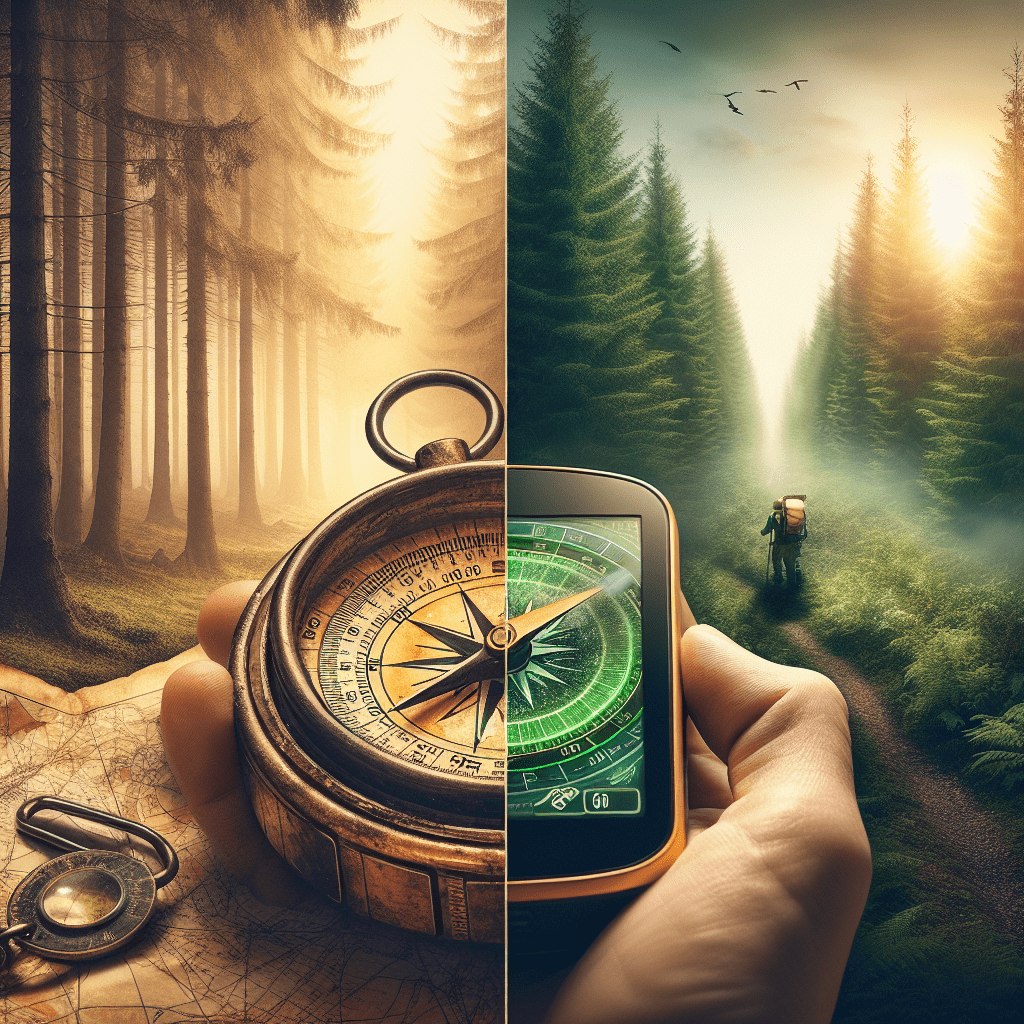

In the heart of nature, surrounded by the whispering trees and the melody of flowing streams, understanding your surroundings is vital. Whether you’re a seasoned hiker or a weekend warrior, mastering navigation—both traditional and modern—is essential to ensure safe and enjoyable outdoor experiences. This journey from compass to GPS encapsulates the evolution of navigation tools, providing insights and lessons that can elevate your wilderness adventures.
The Importance of Wilderness Navigation
Imagine it: You’re on a rugged trail in the stunning peaks of the Rockies, the sun sinks low, and a sudden mist rolls in. Your compass spins, disoriented by the shifting fog. Suddenly, the knowledge of navigation becomes not just useful but critical. Wilderness navigation isn’t just about reaching your destination; it’s about safety, confidence, and understanding the environment around you.
Navigating the Basics: Understanding Your Tools
Before diving into specific tools, let’s explore their foundational elements.
The Compass: A Timeless Guide
While today’s technology often overshadows the compass, it remains a key navigation tool. This small, simple device can guide you when the battery dies or when cellular signals evaporate in the wild.
GPS: The Digital Frontier
Modern GPS devices provide precision that compasses can’t match. With features like waypoints and mapping software, GPS units have transformed the way we venture into the wild. But they rely on satellite connections and batteries—what happens if those fail?
How to Get Started: Combining Classic and Modern Tools
Mastering the Compass
-
Learn to Read a Map: Familiarize yourself with topo maps. Understand contours, elevations, and terrain features.
-
Declination Adjustment: Learn how to adjust your compass for magnetic declination based on your location—this small step will ensure accuracy.
-
Plotting Your Course: Use the map to set your bearings. Take a bearing with your compass and follow that direction. A story from a wet summer hike comes to mind: with lightning flashing on the horizon, my compass guided us through the dense forest back to camp when GPS failed due to a dying battery.
Navigating with a GPS Device
-
Understanding GPS Navigation: Familiarize yourself with your device’s interface. Each model has unique functions—make sure to read the manual!
-
Inputting Waypoints: Before setting off, save waypoints for key landmarks. I once input several campsites along my route in the Pacific Crest Trail; when I lost daylight, these saved me from wandering aimlessly in the dark.
-
Battery Management: Always carry extra batteries or a portable charger. My first foray into the backcountry with GPS taught me the importance of power management, leading to delightful (but stressful) improvisation when my device blinked its last battery warning.
Why It Matters: Combining Traditional and Modern Techniques
The Best of Both Worlds
Using a compass and GPS together enhances your ability to navigate. One of my favorite hikes in the Smoky Mountains proved this when a thick cloud cover obscured satellite signals. Pulling out my compass paired with my backup map, I was able to find a hidden waterfall without panic.
Common Mistakes to Avoid
-
Over-Reliance on Technology: Many believe GPS alone will guide them. Always have a backup method.
-
Ignoring Maintenance: Ensure your compass is calibrated and that your GPS is updated. Early in my adventures, an outdated GPS map led me into a closed section of trail—an experience that taught me about manually checking routes and maps.
Key Takeaways from the Journey
In conclusion, as outdoor enthusiasts, mastering navigation is crucial. Combining the timeless tradition of the compass with modern advancements in GPS ensures not only safety but enhances the adventure itself. Embrace both tools—learn their strengths and weaknesses, and never become overly reliant on one.
Reader Questions Answered
Q1: What are the best environments to use a compass?
A1: A compass excels in dense woods, mountainous terrain, or low visibility where GPS may falter.
Q2: How often should I update my GPS maps?
A2: Regularly check for updates every few months, especially before significant trips, to ensure accurate mapping.
Q3: Can my smartphone replace traditional GPS devices?
A3: Yes, but it’s essential to have a backup battery and know how to navigate without data, as signals can drop in remote areas.
Frequently Asked Questions
Q1: Is a compass still necessary with modern GPS?
A1: Yes! A compass acts as a reliable backup in situations where GPS fails.
Q2: How do I learn more about navigation skills?
A2: Consider taking wilderness navigation courses or workshops that focus on both traditional and modern techniques.
Q3: What should I pack for navigation?
A3: Always include a map, compass, extra batteries, GPS device, and a power bank for longer trips.
With these insights and personal stories woven throughout the navigation realm, you’re equipped to embrace every adventure that calls you to the wild. Happy wandering!