

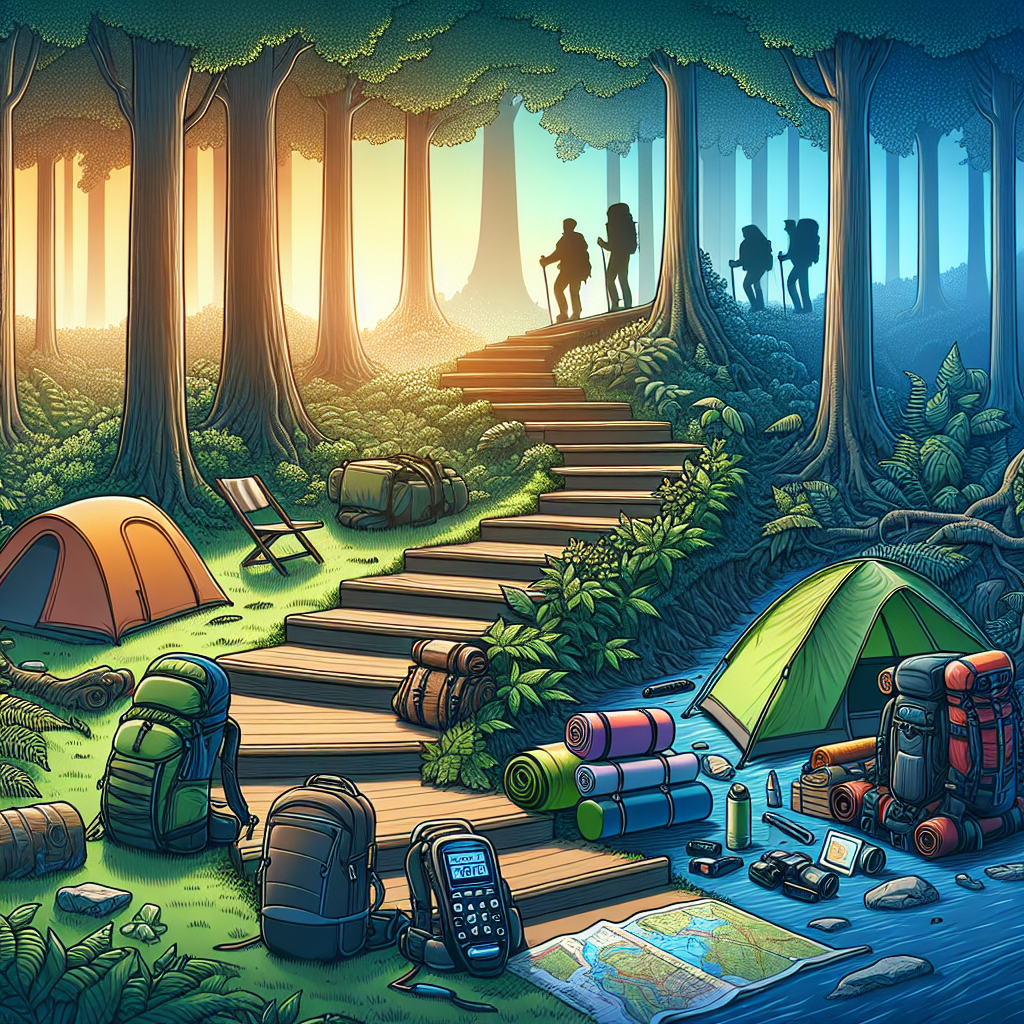

Imagine standing at the edge of a breathtaking vista, the sprawling mountains painted in hues of orange and purple as the sun sets, your heart pumping with exhilaration and accomplishment. This moment isn’t just a postcard-worthy view; it’s a testament to your journey from novice to pro in the world of backpacking. Whether you’re drawn by the thrill of adventure or the call of solitude, the art of backpacking can transform a simple hike into a gateway to discovery. But where do you begin?
In this comprehensive guide, we will demystify backpacking for beginners, equipping you with essential skills, insider knowledge, and inspiring anecdotes that will ignite your passion for the outdoors. From selecting the right gear to planning your first trek, let’s embark on this adventure together. Are you ready to uncover the wild side of life?
Understanding Backpacking: The Basics
Before you lace up your boots and throw on your pack, it’s essential to grasp what backpacking fundamentally involves. At its core, backpacking combines hiking and camping, taking you away from the hustle and bustle of everyday life and immersing you in nature.
What Makes Backpacking Different?
Backpacking is not just about carrying a backpack; it’s about self-sufficiency. Unlike day hikes, where you can return home at dusk, backpacking trips require planning food, shelter, and safety over consecutive days. This might sound daunting at first, but every knowledgeable backpacker was once a beginner who took that leap of faith—often learning invaluable lessons along the way.
My First Backpacking Trip
I vividly recall my first backpacking experience. I was in my early twenties, fueled by wanderlust and armed with little more than enthusiasm and a borrowed pack. My friends and I packed our bags haphazardly, stuffing extra snacks and what felt like a million layers of clothing, convinced we were prepared for anything. As we set off into the wild, chaos quickly ensued—miscommunication about trail turns, a ton of weight on our backs, and even a spill into a creek. Yet, as we set up camp under a canopy of stars that evening, I learned that it’s these moments of imperfection that create unforgettable memories.
Choosing the Right Gear: Your Backpacking Essentials
Selecting the right gear is crucial for any backpacking journey. Let’s break down the essentials you’ll need to ensure a safe and comfortable experience.
The Backpack: Your Companion
The foundation of any backpacking kit starts with the backpack itself. Look for a pack with adjustable straps, adequate space (typically 50-70 liters for multi-day trips), and good ventilation.
Essential Gear Breakdown:
-
Tent: Aim for something lightweight yet durable. Many beginners overlook this factor, but spending a night in a flimsy tent can be a regrettable experience.
-
Sleeping System: Invest in a quality sleeping bag rated for the temperature you’ll encounter and a sleeping pad for insulation and comfort.
-
Cooking Gear: A portable stove is a must-have. I once attempted a campfire meal only to realize I had forgotten fire starters—resulting in a surprisingly delicious cold tuna dinner, but not one I’d recommend!
-
Clothing: Layering is key. Opt for moisture-wicking materials and bring an extra layer for warmth. On one hike, I underestimated the chill of the evening; having an extra thermal layer turned an uncomfortable night into a cozy one.
Tip: Prioritize Quality Over Quantity
You don’t need every piece of gear available on the market to start backpacking. Focus on quality items that perform well, and you can add to your collection as you gain experience.
Planning Your Route: Mapping Out Adventures
Crafting your backpacking itinerary can be both exhilarating and challenging. Here’s how to ensure you’re on the right trail.
Selecting Your Destination
Start with trails suited for beginners, such as national parks or local trails. Websites like AllTrails can provide useful insights about trail conditions and difficulty levels.
Permits and Regulations
Understand the regulations of your chosen trail. Some require permits, while others may have restrictions on campfire usage. Keep in mind my first trek to a national park; a last-minute permit scramble taught me the importance of checking regulations beforehand.
Navigational Skills
Utilizing maps, GPS devices, and compass basics can drastically increase your safety. During one trip, a wrong turn led me off-course, and having a compass allowed us to navigate back to safety—a lesson in preparedness I’ll never forget.
Food and Hydration: Fueling Your Adventure
What you eat and drink while backpacking can make or break your experience.
Meal Planning 101
Opt for lightweight, high-calorie foods, such as energy bars, dried fruits, and freeze-dried meals. On my first trip in the woods, I was far too ambitious—cooking elaborate meals only to realize I’d packed way more food than necessary. The result? Cooking a dinner I didn’t need and a heavy pack for no reason.
Hydration Strategies
Always carry ample water or a reliable method to purify water along your route, like a portable filter or purification tablets. Dehydration can sap your energy faster than you might expect. I once ignored my hydration needs on a hot day, only to find myself fatigued and cranky—a reminder to never underestimate the importance of water.
Safety First: Navigating Potential Risks
Understanding how to mitigate risks is a vital part of backpacking.
First Aid Essentials
Bring a compact first aid kit stocked with basics like bandages, antiseptics, and medications to manage minor injuries or ailments.
Weather Awareness
Before you head out, check the weather. Sudden changes can occur in mountainous terrain, and I can attest that getting caught in an unexpected downpour was both a sobering and unforgettable experience. Always pack a waterproof jacket—trust me, it could save your trip.
Stay Aware
Keep your surroundings in mind. Wildlife encounters are part of the adventure, so knowing how to respect nature and handle potential encounters can keep you safe. I still recall a close encounter with a curious bear—don’t worry, it ended well. But it reinforced the necessity of following guidelines for food and wildlife.
Embracing the Experience: The Mental Aspect
Backpacking is as much a mental journey as a physical one.
Mindfulness in Nature
Take the time to embrace your surroundings, breathe in the fresh air, and listen to the sounds of nature. Journaling experiences can be transformative; write down your thoughts to make memories that last beyond your trip. I often revisit old entries and find myself transported back to those moments.
Building Resilience
Challenges will arise, whether it’s a tough terrain or a long day of hiking. Embrace the discomfort; it builds resilience, and pushing through a tough day often leads to some of the most rewarding experiences.
Wrap-Up: Key Takeaways
Backpacking is an enriching journey that connects you to nature and yourself. From gear selection to navigating challenges, each step you take builds your skills and confidence. Remember, every pro was once a novice, navigating the wilderness one decision at a time. So buckle up your pack, step into your boots, and embark on the adventure that awaits you.
Reader Questions Answered
What is the easiest backpacking trail for beginners?
Many beginners find trails like the Appalachian Trail sections or those in national parks such as Yosemite ideal due to their well-marked routes and varying lengths.
How much food should I pack for a backpacking trip?
A common rule of thumb is to estimate 1.5 to 2 pounds of food per person per day, focusing on lightweight, high-energy options.
How can I ensure my safety on the trail?
Familiarize yourself with your route, pack a first aid kit, stay hydrated, and be aware of your surroundings.
FAQs
How do I choose the right backpacking gear?
Start with essential items like a backpack, sleeping system, and lightweight cooking gear. Prioritize quality over quantity.
What should I do about wildlife encounters?
Always stash food securely, make noise to announce your presence, and respect wildlife boundaries.
How can I prepare physically for backpacking?
Begin with short hikes, gradually increasing your distance. Incorporate strength training for endurance, focusing on your legs, core, and back.
By following this guide and embracing each step of the learning process, your transition from novice to pro in backpacking can be thrilling and transformative. So, what are you waiting for? Your adventure awaits!