


The Critical Role of Roosting Cavities: Protecting Our Winter Birds in Georgia
A Chill in the Air: The Winter Struggles of Georgia’s Birds
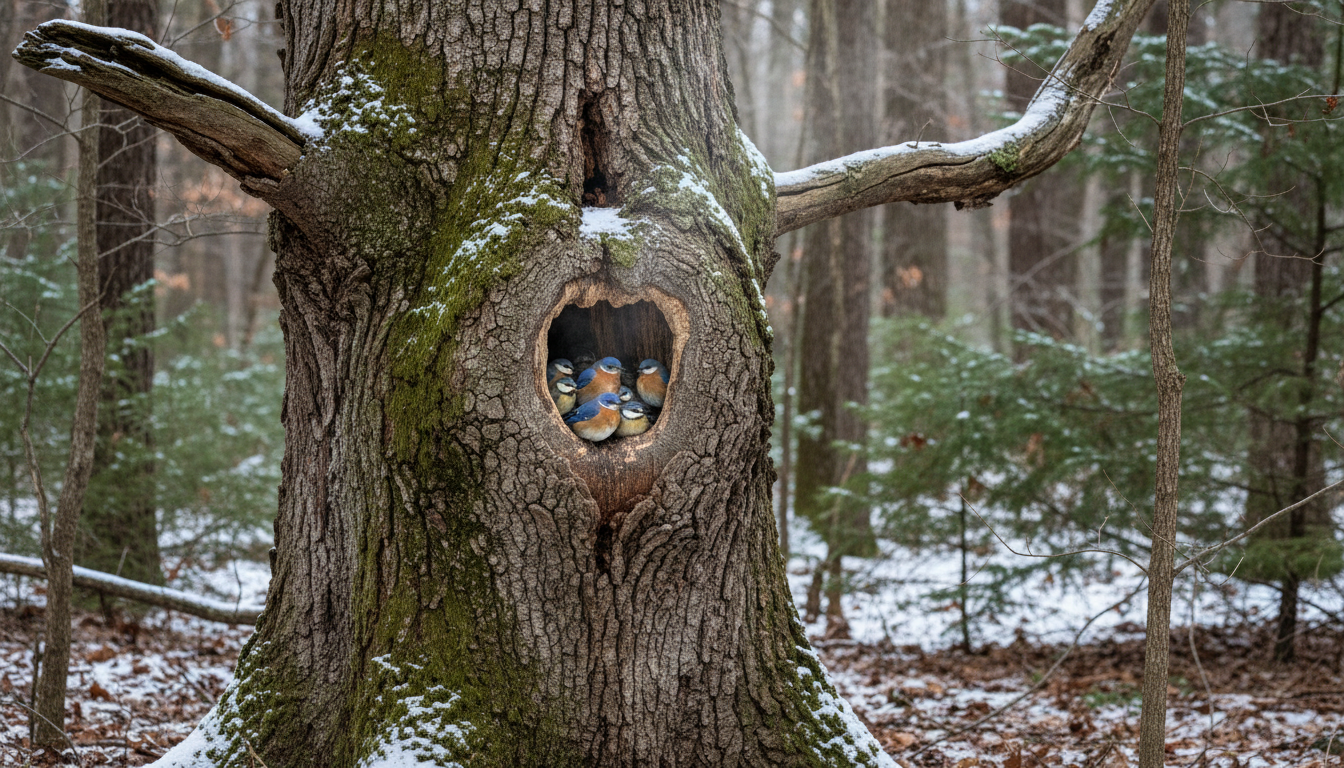
As winter envelopes Georgia, most of us find solace in well-insulated homes; however, for our avian wildlife, harsh conditions pose unique challenges. Particularly vulnerable are cavity-nesting birds, which rely on sheltered spaces to escape frigid temperatures and biting winds. The availability of these vital roosting cavities can mean the difference between life and death during the cold months.
The Vanishing Habitat of Roosting Cavities
The year-round competition for suitable roosting sites intensifies as natural habitats continue to dwindle. Each year across the state, thousands of acres of forests are converted to croplands, shopping centers, and urban developments, leading to a significant decline in natural cavities. This loss disrupts the delicate balance of species that depend on these environments, as native birds are forced to compete not only among themselves but against other wildlife, such as flying squirrels, for the limited shelter available.
The Goldilocks Principle for Birds
Much like Goldilocks searching for the perfect bed, birds often find roosting cavities that are either too deep, too high, or filled with debris. For numerous species, the ideal cavity may be elusive. Woodpeckers and brown-headed nuthatches are among the few birds capable of excavating their own cavities, primarily in decaying trees. Most other birds—including eastern bluebirds, Carolina chickadees, and tufted titmice—are left to seek existing structures.
The lack of suitable roosting areas becomes increasingly dire as competition heats up before winter, with local birds often claiming the best sites long before migratory species arrive. With cavities claimed, new residents may need to search for shelter under stress, which can expend vital energy reserves.
Energy Conservation Through Roosting
Birds that take refuge in roosting cavities gain a significant survival advantage. The temperature within a well-insulated cavity can be up to 18 degrees warmer than outdoor conditions, primarily due to the warmth generated by the birds’ exhaled air. This remarkable insulation allows birds to conserve energy, enabling them to withstand the harshness of winter nights. Studies estimate that birds roosting in cavities can survive an additional 5.7 to 7.3 hours without access to food—time that can determine whether they see another day.
Communal Living: Interesting Roosting Habits
Cavity-roosting birds exhibit fascinating social behaviors. Carolina chickadees may nest together in groups of two to eight, while northern flickers often pair off. Remarkably, it was observed that 46 winter wrens crowded into a single cavity—a testament to the communal reliance on these essential habitats.
Why It Matters
The decline of winter roosting cavities serves as a critical concern for outdoor enthusiasts, conservationists, and local ecosystems. As habitats shrink, the intricate web of life that sustains our wildlife becomes increasingly fragile, hindering the delicate balance needed for biodiversity.
For many enthusiasts—hunters, hikers, and nature lovers alike—the loss of cavity-roosting birds diminishes our shared outdoor experience. The sustainability of local wildlife can greatly impact regional economies, particularly those dependent on eco-tourism.
Field Insights: Pro-Tips for Bird Lovers
-
Preserve Dead Trees: If you have dead trees on your property that pose no risk to safety, consider leaving them intact. These trees can provide essential cavities for birds.
-
Install Nesting and Roosting Boxes: If natural roosting sites are lacking, adding birdhouses or roosting boxes can create essential shelters and help mitigate the habitat shortage.
-
Observe Birds in Your Area: Watch for birds congregating in specific cavities or exhibiting interesting behaviors during the winter months. This can enhance your understanding and appreciation of their survival strategies.
Conclusion
As we continue to enjoy the outdoors this winter, let’s not forget the challenges that our wildlife faces. The loss of roosting cavities is a stark reminder of our responsibility to foster environments where both people and nature can thrive. Protecting these critical habitats ensures that Georgia’s rich biodiversity remains resilient, keeping the fabric of our natural world intact for generations to come.
Terry W. Johnson, a seasoned conservationist and retired Georgia DNR official, emphasizes the importance of awareness and action in preserving these essential habitats. His insights remind us that the winter landscape beckons both caution and commitment to safeguarding Georgia’s natural heritage.
For further insights into encouraging wildlife in your yard, check out Terry’s Backyard Wildlife Connection blog and his book, “A Journey of Discovery: Monroe County Outdoors.”
This article serves as a reminder of our collective responsibility to maintain balance in our ecosystem. By making simple changes, we can ensure that both wildlife and humans coexist harmoniously through the seasons.