


Protecting the Giants: Clearwater’s Critical Role in North Atlantic Right Whale Conservation
Aerial Observations to Safeguard a Species
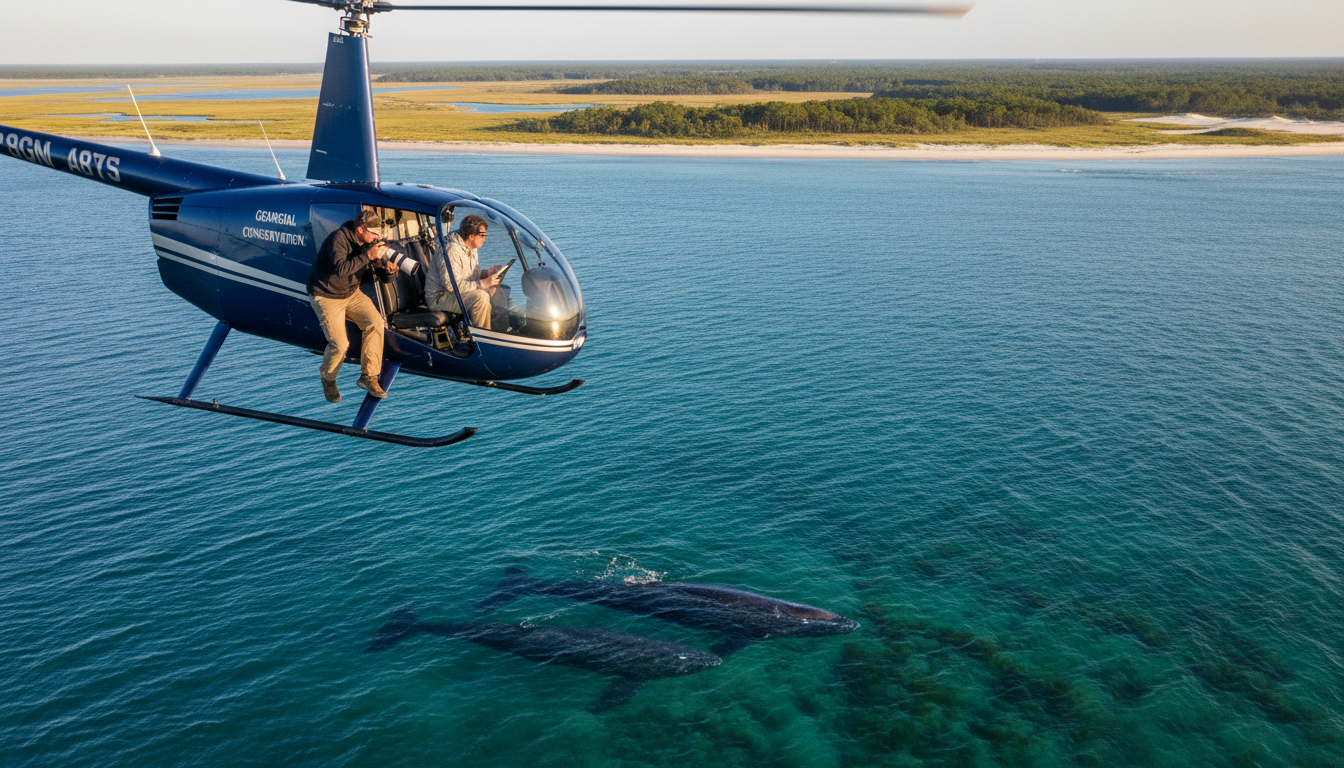
As the frigid winter winds blow over the waters off Georgia, northern Florida, and the Carolinas, a dedicated team from the Clearwater Marine Aquarium Research Institute (CMARI) is soaring high above, keeping vigil over the critically endangered North Atlantic right whale. For over two decades, this collaborative effort with Georgia’s Department of Natural Resources (DNR) has aimed to bolster the survival of these majestic creatures during their only known calving grounds.
While many may recognize the vital data produced by these winter surveys—indicating new mothers and calves—it’s worth delving into the impressive depth and variety of this ongoing work.
Objectives of Aerial Surveys
Flying thousands of feet above the waves, CMARI’s aerial observers have precise goals guiding their mission:
-
Photo-Identification: Collecting image data to monitor population demographics among the dwindling right whale population.
-
Collision Prevention: Providing mariners with real-time sightings of these endangered whales to minimize vessel collisions.
-
Field Documentation: Keeping track of dead, injured, or entangled whales to inform conservation strategies.
-
Rescue Operations: Aiding in the recovery of entangled right whales and their carcasses from fishing gear.
-
Support for Ground Research: Assisting boat-based teams in collecting ID photos, genetic samples, and vital research data.
As of January 10, the Clearwater team has successfully completed 20 surveys this winter, averaging nearly 5.5 flight hours per survey. In total, these aerial efforts have racked up over 109 hours in the air, covering a staggering 9,295 nautical miles—a distance surpassing 40 percent of the globe’s circumference.
Data Highlights: A Glimpse of Progress
To date, the crew has documented 53 right whale sightings, including 14 new calves—a promising statistic amid a sobering reality. Among these, there were 36 mother-calf pairs and observations of 102 individual whales. Just last week, the CMARI team celebrated their 19th calf sighting of the season, spotted about 9 miles off Amelia Island, Florida—a testament to the growth of the population.
Meet the Team
This dedicated project is made successful by a capable crew:
- Observers: Melanie White (lead), Bridget Ausley, and Arianna Torello
- Pilots: Bill Bellatty and Layne Timidaiski
- Honorary Member: Murray, Bill’s loyal canine co-pilot
The Human Element
While prolonged hours in the air necessitate focus and vigilance, the team’s camaraderie shines through, providing a light-hearted counterbalance. To celebrate every new sighting, team members sing songs associated with each whale to enhance memory recall. For instance, when they encounter whale No. 1243, nicknamed “Magic,” Bridget can’t help but think of Pilot’s classic tune “Magic.” As a keepsake, Ari plans to compile a mixtape at the season’s close.
Why It Matters
The conservation of North Atlantic right whales is not just a monumental task for marine biologists; it’s a critical mission that has far-reaching implications for ecosystems, local economies, and outdoor enthusiasts alike. As right whales grow closer to extinction, the ripple effects can be felt across the marine environment:
-
Biodiversity: The decline in a single species can disrupt marine food webs, impacting fish populations and other wildlife.
-
Ecotourism: Healthy wildlife populations, including iconic species like the North Atlantic right whale, contribute to ecotourism revenues, benefiting local economies reliant on visitors seeking authentic outdoor experiences.
-
Cultural Heritage: The presence of thriving marine life is intertwined with local histories and traditions, enriching the social fabric of coastal communities.
Field Insights: What You Should Know
If you find yourself in the vicinity of the North Atlantic right whales, here are a few pro-tips to enhance your experience:
-
Look for Signs: Watch for spouts and flukes when on the water, as these indicate a whale’s breathing and diving behavior.
-
Respect Zones: Be mindful of boat speed and distances; federal regulations support designated slow zones to protect these gentle giants.
-
Stay Informed: Use available apps and platforms that provide real-time updates about whale sightings and conservation efforts in the area.
As the CMARI aerial team continues their vital surveillance of the North Atlantic right whales this calving season, their commitment underscores both the challenges and rewards of wildlife conservation. Every sighting, every data point, and every song shared in the cockpit of their aircraft tells a story not just of survival, but of hope.
Stay tuned as we follow the journey of these incredible creatures and the unsung heroes working tirelessly to protect them this winter.