

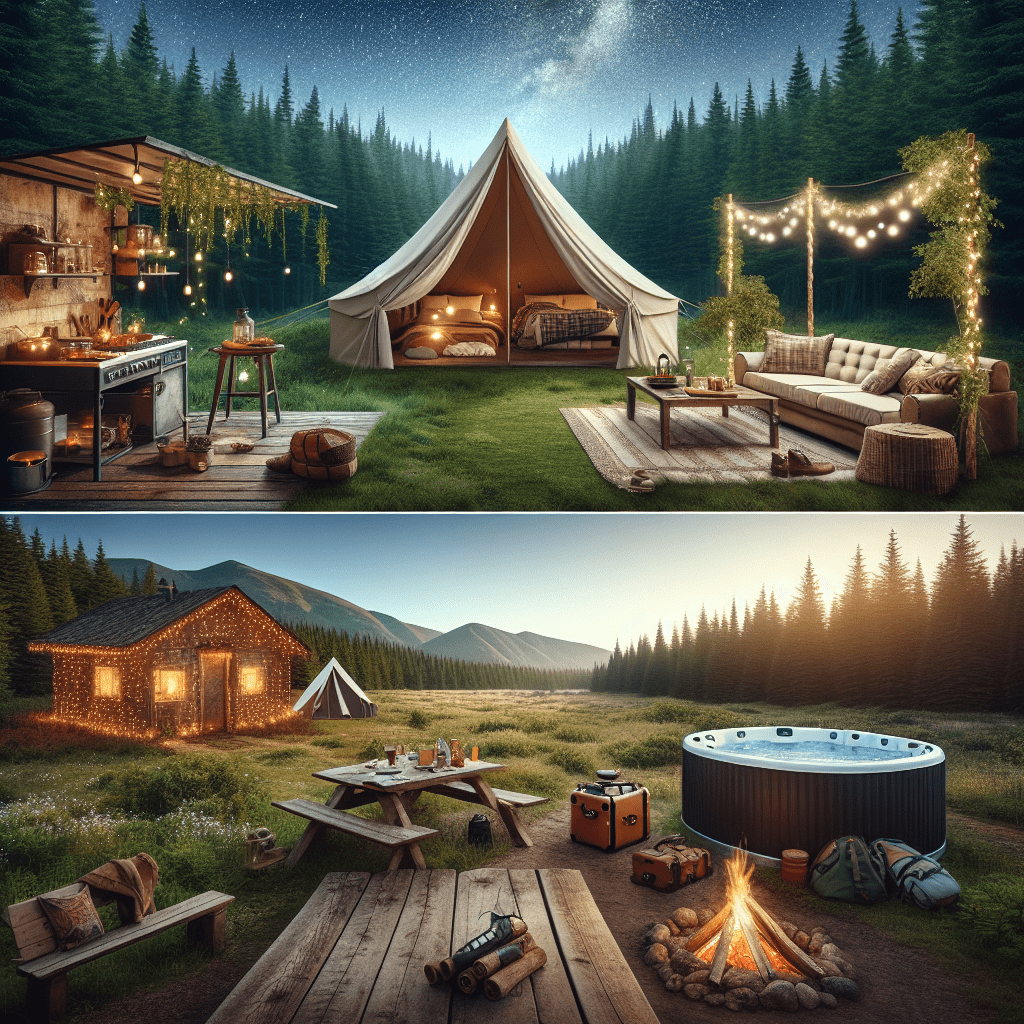

Imagine waking up to the soft sound of rustling leaves, the scent of pine wafting in through your tent, and the morning sun painting the sky in hues of orange and gold. Many outdoor enthusiasts daydream about this idyllic camping experience. But here’s the catch—what if your idea of the perfect getaway includes cozy bedding, gourmet meals, and perhaps even air conditioning? This brings us to an essential debate among adventurers: Glamping vs. Traditional Camping. Which one suits your personality, your comfort needs, and your thirst for adventure?
Both outdoor experiences have something unique to offer. On one hand, traditional camping connects you raw with nature, often nudging you toward self-sufficiency and a deeper appreciation for the wild. On the other hand, glamping elevates the outdoor experience into a luxurious retreat, allowing you to relish nature without sacrificing comfort. Understanding these differences can enable you to make an informed decision on your next adventure.
So whether you’re a seasoned backpacker or a first-time camper, this guide will help you weigh the pros and cons of each experience, ensuring you choose the type of camping that aligns best with your adventurous spirit.
What Is Traditional Camping?
Traditional camping, often called “roughing it,” celebrates simplicity and back-to-basics experiences. It involves setting up a tent, cooking over an open fire, and embracing the great outdoors in its most raw form. Imagine a night spent in a secluded forest, surrounded by towering trees, with only the sounds of nature as your backdrop.
Key Elements of Traditional Camping
- Gear Essentials: A sturdy tent, sleeping bag, portable stove, and a good set of camping cookware are necessities. A hiking backpack can also make it easier to transport your gear to a remote spot.
- Activities: Hiking, fishing, stargazing, and storytelling around the campfire are beloved traditions.
- Mental Benefits: Studies show that immersing yourself in nature can significantly reduce stress, improve mood, and enhance your overall well-being.
In my formative years, my family would embark on tent camping trips every summer. One trip to a national park is forever etched in my memory. My younger brother and I set up our tent incorrectly, leading to a soggy wake-up as morning rains drenched our sleeping bags. However, the experience ignited a love for the outdoors within me. Learning to cope with such challenges fostered resilience, independence, and a sense of adventure.
Why Choose Glamping?
Glamping, a blend of “glamorous” and “camping,” brings a luxurious twist to outdoor experiences. From safari tents to treehouses, glamping accommodations often include comfortable beds, beautiful decor, and even electricity.
Benefits of Glamping
- Comfort: Trade your sleeping bag for a plush mattress and enjoy meals served on fine china.
- Accessibility: Glamping is ideal for those who may not be as physically mobile or are reluctant to commit to the rigors of traditional camping.
- Unique Experiences: Many glamping sites offer guided adventures, spa treatments, and curated local cuisine.
Last summer, a group of friends and I ventured into a luxurious glamping retreat in the mountains. Each tent was beautifully decorated with chic furnishings, and a private chef prepared gourmet meals that rivaled those found in upscale restaurants. As we toasted marshmallows by the fire pit, I realized how this experience allowed me to appreciate nature while indulging in life’s little luxuries.
Comparing the Experiences: Traditional Camping vs. Glamping
To make the choice, let’s dive deeper into the specifics that might sway your decision.
Cost Considerations
- Traditional Camping: It’s generally low-cost. Essential gear can often be borrowed or purchased secondhand, and many campgrounds are affordable.
- Glamping: This comes at a premium. Luxury accommodations often range from moderate to high prices depending on the amenities available.
Gear and Preparation
- Traditional Camping: Requires a more extensive list of gear and a willingness to endure some discomfort.
- Glamping: Typically involves minimal gear since many amenities are already provided, making it easier for those who may find setup daunting.
Experience Level
- Traditional Camping: Best for those comfortable navigating outdoor environments and willing to put in the effort to truly connect with nature.
- Glamping: Suitable for anyone, including families, couples, and even solo travelers seeking solace without the hassle.
Planning Your Trip: A Glamping Checklist
If you lean towards glamping, here are some tips for planning:
- Research Locations: Look for glamping spots that offer the amenities you value most—be it a hot tub, guided tours, or gourmet dining.
- Book in Advance: These sites often have limited availability due to high demand.
- Pack Accordingly: Bring comfortable clothing, a camera, and any personal items that will enhance your stay.
Planning Your Trip: A Traditional Camping Checklist
For those choosing the traditional path:
- Gear Up: Invest in a quality tent, durable sleeping bag, and cooking gear.
- Select Your Site: Pick a location that aligns with your interests—beaches, forests, or mountains.
- Know the Guidelines: Familiarize yourself with campsite regulations to ensure a smooth experience.
Key Takeaways
Whether you opt for the simplicity and challenge of traditional camping or the comfort and luxury of glamping, both experiences have unique offerings that cater to different desires. The essence of the great outdoors can be enjoyed in various ways—by sleeping under the stars or in a cozy bed draped with twinkling fairy lights.
Whatever you choose, let it inspire you to explore, appreciate nature, and create unforgettable memories. So pack your gear, gather your loved ones, and embark on your adventure!
Reader Questions Answered
-
Is traditional camping suitable for beginners?
Absolutely! While it may not have the luxuries of glamping, traditional camping can be a great intro to the outdoors. Focus on starting with local campgrounds that have facilities and gradually expand your adventures. -
Can I find accessible glamping locations?
Yes! Many glamping facilities are designed for accessibility, allowing everyone to enjoy the great outdoors comfortably. -
What should I wear for traditional camping?
Layered clothing is ideal, taking into account changes in temperature throughout the day. Don’t forget sturdy footwear!
FAQs
-
What is the cost difference between glamping and traditional camping?
Glamping tends to be more expensive due to the luxurious amenities provided, while traditional camping is budget-friendly with minimal investment in gear. -
Can I cook while glamping?
Many glamping sites include gourmet meals as part of the experience, but some also offer campsite kitchens for personal use. -
Is glamping environmentally friendly?
Many glamping sites aim for sustainability, utilizing eco-friendly practices and materials. Research specific sites for their environmental commitments.
Now that you have the insights to choose between glamping and traditional camping, it’s time to venture outdoors, embrace your preferred style, and create magical memories in nature!