


Third Possible Case of Highly Pathogenic Avian Influenza Detected in Hawaiʻi
Agencies on High Alert for H5N1 Threat in Endangered Bird Species
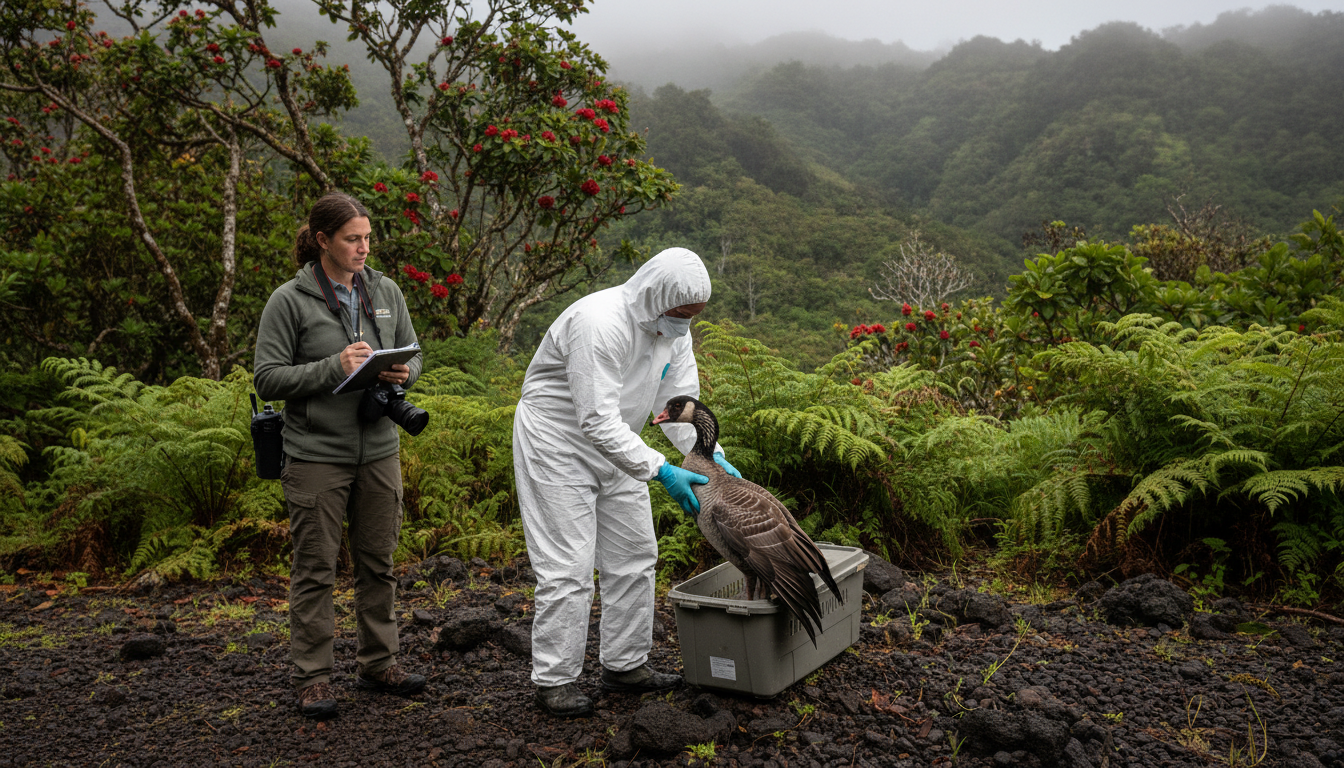
HONOLULU — The delicate balance of avian wildlife in Hawaiʻi faces a significant threat following the detection of a third presumptive case of highly pathogenic avian influenza (HPAI) in a native bird. This time, the culprit is a Koloa Māoli (Hawaiian duck), an endangered species, found in distress at the U.S. Fish and Wildlife Service’s Hanalei National Wildlife Refuge on Kauaʻi.
A Grave Discovery
On November 26, the sick Koloa Māoli was submitted for preliminary testing by the Hawaiʻi State Laboratory, which confirmed the presence of an influenza A virus. Final confirmation and subtype categorization, including the dangerous H5N1 strain, are pending further analysis by the National Veterinary Services Laboratories (NVSL). Unfortunately, the bird succumbed to its illness within 24 hours.
The ramifications of H5N1 are dire; this highly infectious subtype predominantly affects avian populations, with sporadic human infections occurring under close-contact circumstances. In recent months, Hawaiʻi has seen multiple cases of H5N1 in migratory birds, including instances in Oʻahu and Maui, but this incident marks the first potential case involving a native Hawaiian bird, raising concerns about the transmission pathways from migrating waterfowl.
Ongoing Vigilance from State Agencies
In response to this alarming situation, the Hawaiʻi Department of Health (DOH), the Department of Agriculture & Biosecurity (DAB), and the Department of Land and Natural Resources (DLNR) have ramped up their monitoring efforts. The agencies are closely observing public health reports, poultry operations, and wild bird populations to detect any further signs of the virus’s spread.
As we move deeper into the migratory season, the risk of HPAI transmission intensifies. State officials urge the public to exercise caution and avoid direct interaction with wild birds, particularly waterfowl and shorebirds, which could serve as vectors for this potentially lethal disease.
What You Should Know
Residents and outdoor enthusiasts are advised to be vigilant when encountering wild birds. Here are key guidelines to follow:
-
Avoid Direct Contact: Do not touch or handle wild birds, especially if they appear sick.
-
Use Proper Protocols: If the capture of a sick or dead bird is unavoidable, wear gloves, minimize contact, and adhere to biosafety protocols.
-
Report Suspicious Cases: To report unusual or multiple instances of illness in wild birds or poultry, contact the DAB’s Animal Industry Division at 808-483-7100 during business hours or 808-837-8092 outside those times. Alternatively, you can email animal.industry@hawaii.gov.
Why It Matters
The emergence of H5N1 within Hawaiʻi’s native bird population is not just an environmental crisis; it poses broader implications for local ecosystems, agricultural practices, and the overall health of wildlife. As hunters and hikers immerse themselves in the rich biodiversity of our islands, it is paramount to recognize the intertwining of human activities and wildlife health.
Should the H5N1 virus establish itself further within native populations, it could significantly disrupt existing conservation efforts. The impacts may ripple through local economies that depend on wildlife tourism, as observers flock to catch glimpses of Hawaiʻi’s unique avifauna.
Field Insights: Pro-Tips for Outdoor Enthusiasts
-
Be Aware of Behavioral Changes: Sick birds often exhibit unusual behaviors, such as lethargy or an inability to fly. If you notice these signs in local bird populations, refrain from approaching them.
-
Educate Others: Share knowledge about avian influenza and its implications with fellow outdoor adventurers, ensuring community awareness.
-
Monitor Official Updates: Stay informed through the DOH and DAB websites for the latest guidance and findings related to avian influenza in Hawaiʻi.
For more detailed information regarding avian influenza, visit:
- Hawaiʻi Department of Health: Avian Influenza Information
- Department of Agriculture & Biosecurity: DAB Avian Influenza Info
Media Contact:
Patti Jette
Communications Specialist
Hawaiʻi Department of Land and Natural Resources
Email: patti.jette@hawaii.gov
As we confront this emerging challenge, the collaboration between governmental agencies and community awareness becomes indispensable in safeguarding both our wildlife and public health.