


DLNR’s Vigilance: Combating Illegal Christmas Tree Bonfires
By the Outdoor Newspaper
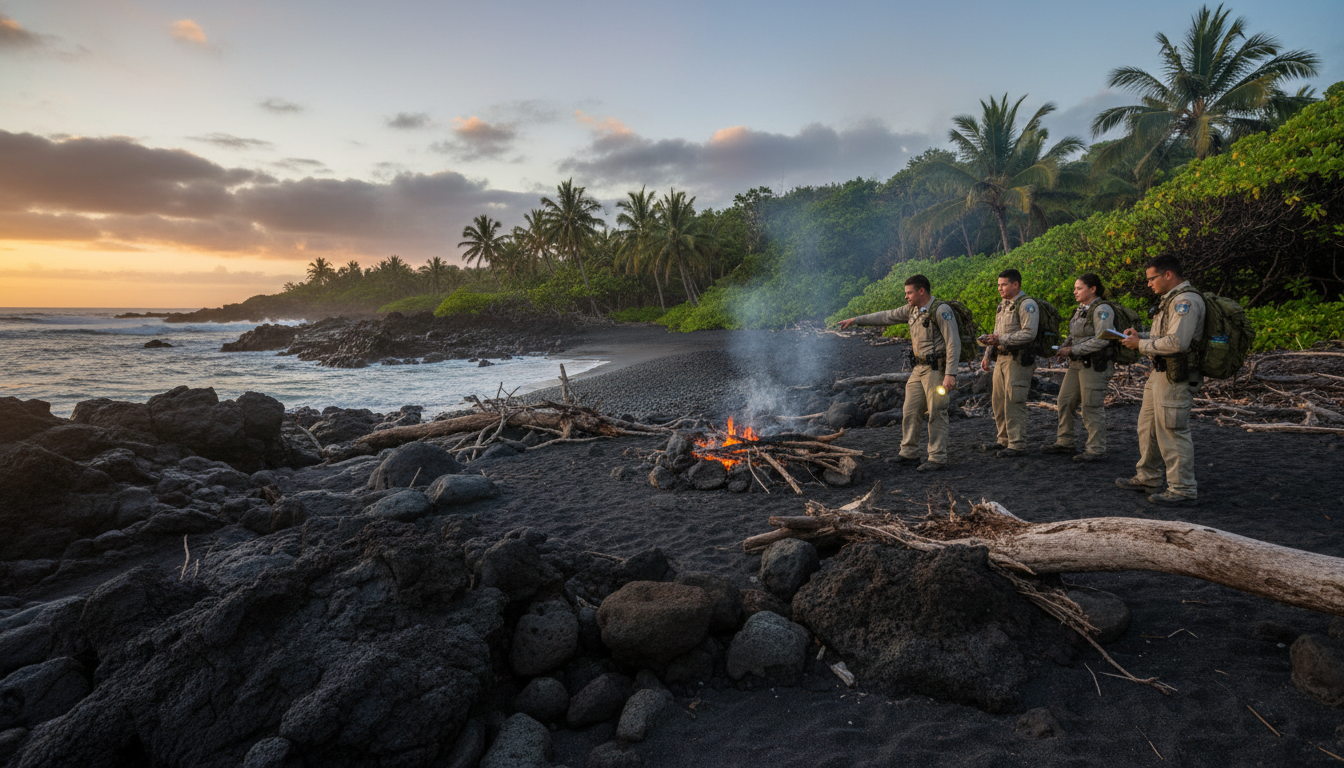
HONOLULU – With the New Year approaching, the Department of Land and Natural Resources (DLNR) is ramping up patrols to thwart the illegal burning of Christmas trees at Ahu o Laka, the iconic sandbar within Kāneʻohe Bay. This unlawful practice, once a disturbing annual ritual for some, poses significant threats to local ecosystems and cultural sites.
The Current Landscape
Historically, illicit bonfires marking the end of the holiday season were commonplace. However, awareness of their detrimental impact on the marine environment has shifted community behavior. Increased enforcement by the Division of Conservation and Resources Enforcement (DOCARE) has made a noticeable difference, contributing to a decline in these infractions.
“Public consciousness regarding the legalities and environmental repercussions of such activities has significantly grown,” remarked DOCARE Chief Jason Redulla. “Our proactive measures, which include officers stationed both onshore and in the water, aim to prevent these illegal practices and safeguard the area.”
A Cultural and Ecological Treasure
Ahu o Laka is not merely a recreational site; it holds profound cultural significance for many Native Hawaiians. This pristine location, frequented by boaters, snorkelers, and kayakers, also serves as a state wildlife sanctuary. It is home to a diverse array of fish species, corals, and marine life that enrich Hawaii’s unique biodiversity.
The preservation of this vital ecological resource requires collective action. DOCARE’s commitment to enforcing environmental laws is a crucial step in ensuring that future generations can enjoy and learn from this natural heritage.
Why It Matters
The Long-Term Implications
For local hunters, hikers, and conservationists, the ramifications of illegal bonfires extend beyond immediate environmental damage. Continuous infractions can compromise the delicate balance of marine ecosystems, affecting fish populations and recreational opportunities. This degradation can also deter tourism, a significant contributor to the local economy. Thus, safeguarding Ahu o Laka is essential not only for environmental integrity but for maintaining local livelihoods.
Field Insights
What to Watch For
- Know the Legal Standards: Familiarize yourself with local laws and regulations concerning natural resource use.
- Report Violations: If you witness illegal activities, especially in progress, notify DOCARE immediately at 808-643-DLNR (3567). Provide detailed descriptions, including dates, times, specific locations, and vehicle information.
- Stay Safe: While reporting violations can be crucial, prioritize your safety—do not engage directly with those committing offenses.
DOCARE officers will again have an increased presence at Kāneʻohe Bay during this upcoming holiday, underscoring their dedication to fostering a safe and compliant environment.
Conclusion
As we close out another year and welcome the next, both residents and visitors are called upon to uphold the sanctity of Ahu o Laka. Enforcing environmental regulations not only preserves the unique biodiversity of this sacred site but also honors the cultural heritage it represents. Understanding and respecting these values is not merely an obligation; it’s a shared commitment to protect Hawaii’s natural treasures for generations to come.
For further inquiries, please contact Andrew Laurence, Communications Director at the State of Hawaiʻi Department of Land and Natural Resources, at 808-587-0396.
Media Resources
- High-Definition Video: Ahu o Laka DOCARE Patrol (Jan. 7, 2022) Watch here
- Photographs: Ahu o Laka DOCARE Patrol (Jan. 7, 2022) View here
This article offers an in-depth exploration of ongoing efforts by DLNR to mitigate illegal activities at Ahu o Laka, emphasizing the importance of environmental stewardship and cultural preservation.