

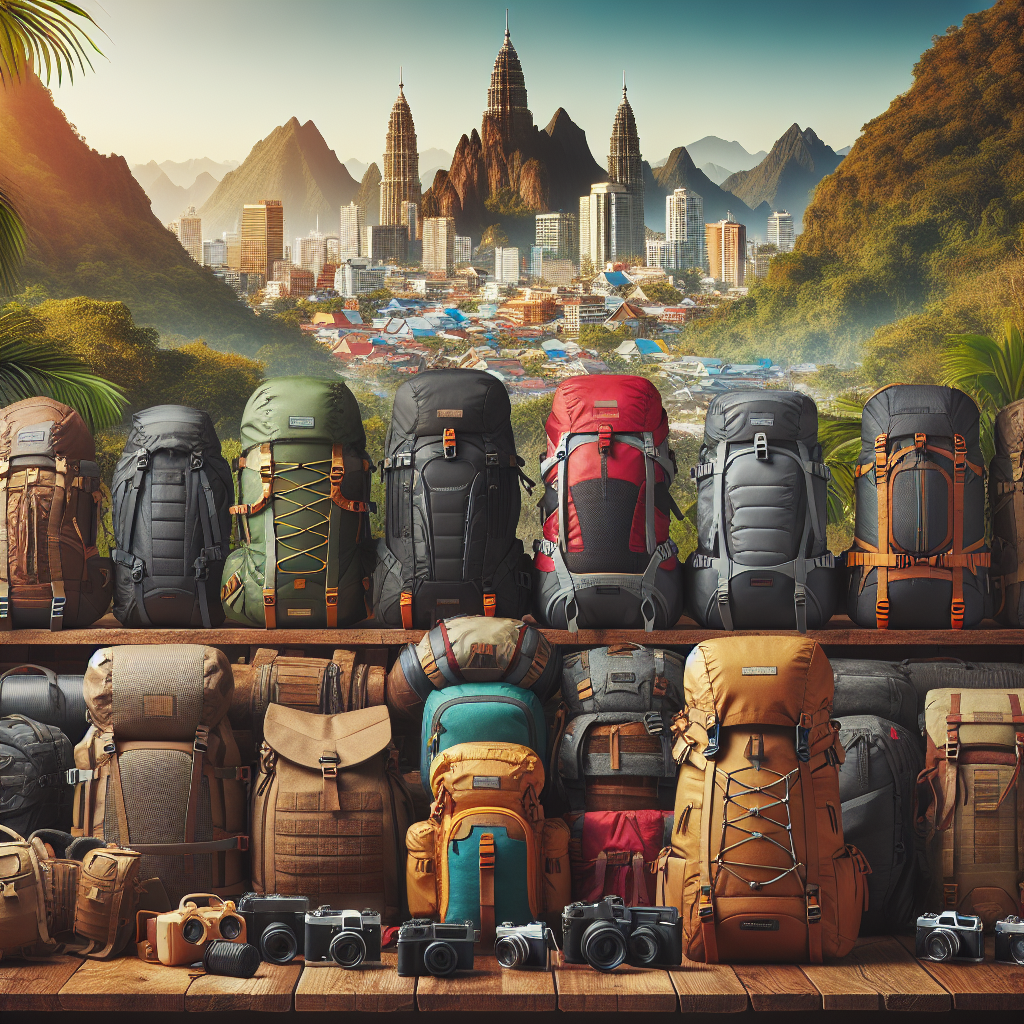

The thrill of setting off on an outdoor adventure is something every enthusiast craves. Whether you’re trekking through dense forests, navigating rocky mountain paths, or camping under the stars, the right backpack can make all the difference. But how do you choose the perfect one? Choosing a backpack isn’t just about picking a bag; it’s about selecting a trusted companion that will carry your gear and memories through every journey.
Imagine this: It’s a crisp autumn morning, and you’re setting out for a weekend hike in the wilderness. Your backpack is packed, but is it the right pack for the trip ahead? A well-chosen backpack can enhance your experience, keeping your essentials at hand while distributing the weight comfortably across your body. Conversely, the wrong backpack can turn a promising adventure into a painful ordeal. Let’s dive deep into how you can select the ideal backpack for your next expedition, equipping you for every twist and turn that awaits.
Understanding Different Backpack Types
Picking the right backpack starts with understanding the different types available, each designed for various outdoor activities.
Day Packs
If you’re planning a quick day hike, a day pack is your best ally. Typically ranging from 15 to 30 liters in size, these packs are light and agile.
Personal Anecdote: On my first solo hike, I underestimated the importance of a good day pack. I borrowed an old, flimsy one that barely fit my water bottle and snacks. After a few hours on the trail, my back was sore, and I regretted not investing in a well-fitted day pack. Since then, I always opt for one that carries comfortably and doesn’t compromise on space.
Overnight Packs
For those longer treks into the wild, overnight packs between 30 to 50 liters are ideal. They offer more space for essentials, cooking gear, and a sleeping bag.
Why It Matters: Carrying a comfortable pack is essential during an overnight journey, especially when you’re navigating challenging terrains. An ill-fitting pack can lead not only to physical discomfort but also detract from the enjoyment of those breathtaking views you traveled for.
Multi-Day Packs
If you’re delving into the backcountry for several days, consider multi-day packs, which typically hold 50 to 80 liters. These packs are equipped for extended trips, providing pockets for organization and options for hydration reservoirs.
Lesson Learned: On a week-long trip in the Rockies, I underestimated my pack’s capacity and ended up carrying bulky gear that I didn’t need. Now, I carefully select only essential items, using packing cubes to maximize space efficiency without excess weight.
Technical Packs
Designed for specialized outdoor pursuits, these packs cater to activities like climbing or skiing, with features like gear loops and specialized compartments.
Personal Experience: While mountaineering in the Cascades, my technical pack’s loops secured my ice axes and climbing gear effectively, allowing me to focus on the climb rather than fiddling with my equipment. The right technical pack can enhance your performance by ensuring that your gear is accessible and securely attached.
Key Features to Consider
When selecting a backpack, keep in mind the features that can enhance functionality and comfort.
Fit and Size
The fit of your backpack is paramount. Measure your torso length and choose a size that suits your body—packs come in male, female, and unisex versions.
Insight: During a weekend challenge in Arizona’s Sonoran Desert, I witnessed firsthand how an ill-fitting pack can ruin an otherwise enjoyable experience. My friend opted for a pack that was too long, causing discomfort and chafing during our hike. She subsequently switched to a pack that fit better, allowing her to enjoy the scenery rather than focusing on discomfort.
Suspension System
A well-designed suspension system can distribute the weight evenly across your back and hips. Look for adjustable straps, load lifters, and hip belts.
Why It Matters: On a grueling ascent in the Appalachian Trail, I realized the importance of a good suspension system when my pack’s frame significantly reduced strain on my shoulders while climbing.
Storage Options
Evaluate your need for pockets and compartments. Front pockets are great for snacks, while top lids can hold maps or a first-aid kit.
Testimonial: I vividly remember a day I spent lost in a dense forest. My day pack, equipped with external pockets, made it easy to access my navigation tools without rummaging through the main compartment. Organization can save time and stress when you’re on the trail.
Harnessing Accessories for Backpacking Success
With the basics of backpack selection in mind, consider additional accessories that can elevate your outdoor experience.
Hydration Solutions
Opt for packs designed for hydration systems or those that allow for water bottles to be easily reachable.
Rain Covers
Always be prepared for changing weather with a rain cover to keep your gear dry.
Sleeping Systems
For overnight or multi-day hikes, think about how your sleeping bag and pad can be secured. Many packs include compartments made for this purpose.
Adventure Reflection: On a multi-day trek through Glacier National Park, I was grateful for robust straps that held my sleeping pad securely. This allowed me to climb steep trails without fear of losing essential gear.
How to Pack Your Backpack Efficiently
Once you have selected the right backpack, packing it effectively maximizes comfort and accessibility.
Center of Gravity
Pack heavier items close to your back and center of gravity to maintain stability. This method reduces pressure on your lower back.
Practical Tip: During a week-long camping trip, my poorly packed backpack shifted unexpectedly, causing discomfort. After that, I prioritized balance in my packing strategy – heavier items near my back, smaller, lighter items spread around the outside.
Utilize Packing Cubes
These can help organize your belongings and make it easier to find specific items without emptying your entire pack.
Wrap-Up: Key Takeaways for Backpacking Adventure
Choosing the perfect backpack is an essential skill for any outdoor enthusiast. From understanding the types of packs available to knowing what features are vital, every decision plays a part in your comfort and success on the trail. Remember these key takeaways:
- Identify Your Adventure: Different trips require different packs.
- Prioritize Fit: A comfortable fit will enhance your experience.
- Aim for Stability: How you pack your bag matters.
- Don’t Forget Accessories: They can make all the difference.
As you embark on your next adventure, invest the time in choosing the right backpack. The perfect bag not only carries your essentials; it supports your journey into the great unknown.
Reader Questions Answered
What should I prioritize when choosing a backpack for multi-day hikes?
You should prioritize fit, storage capacity, and a comfortable suspension system to ensure you can carry extra gear and remain comfortable over longer distances.
How important is the weight of the backpack itself?
The weight of the backpack matters significantly, especially for longer treks. A lighter pack means you can carry more essential gear without compromising comfort.
Can I use a day pack for overnight camping trips?
While it’s possible, a day pack will likely not offer enough space for all necessary gear. Consider a larger overnight pack to accommodate sleeping gear and additional supplies.
FAQs
What size backpack do I need for a day hike?
A day pack between 15 to 30 liters should suffice for a day hike, providing enough space for essentials like water, snacks, and a first aid kit.
Are expensive backpacks worth the investment?
Quality backpacks designed with durable materials and comfort features can significantly enhance your outdoor experience, preventing discomfort and ensuring gear organization.
How can I make my backpack more comfortable?
Adjust the straps for a fit that aligns with your body, ensure weights are centered, and consider additional accessories like padded hip belts for improved comfort.
With these insights, you’re now equipped to choose the ideal backpack for your next expedition. Now, get out there and make unforgettable memories!