


Idaho Fish and Game Proposes Stricter Hunting Tech Regulations Amid Rising Concerns
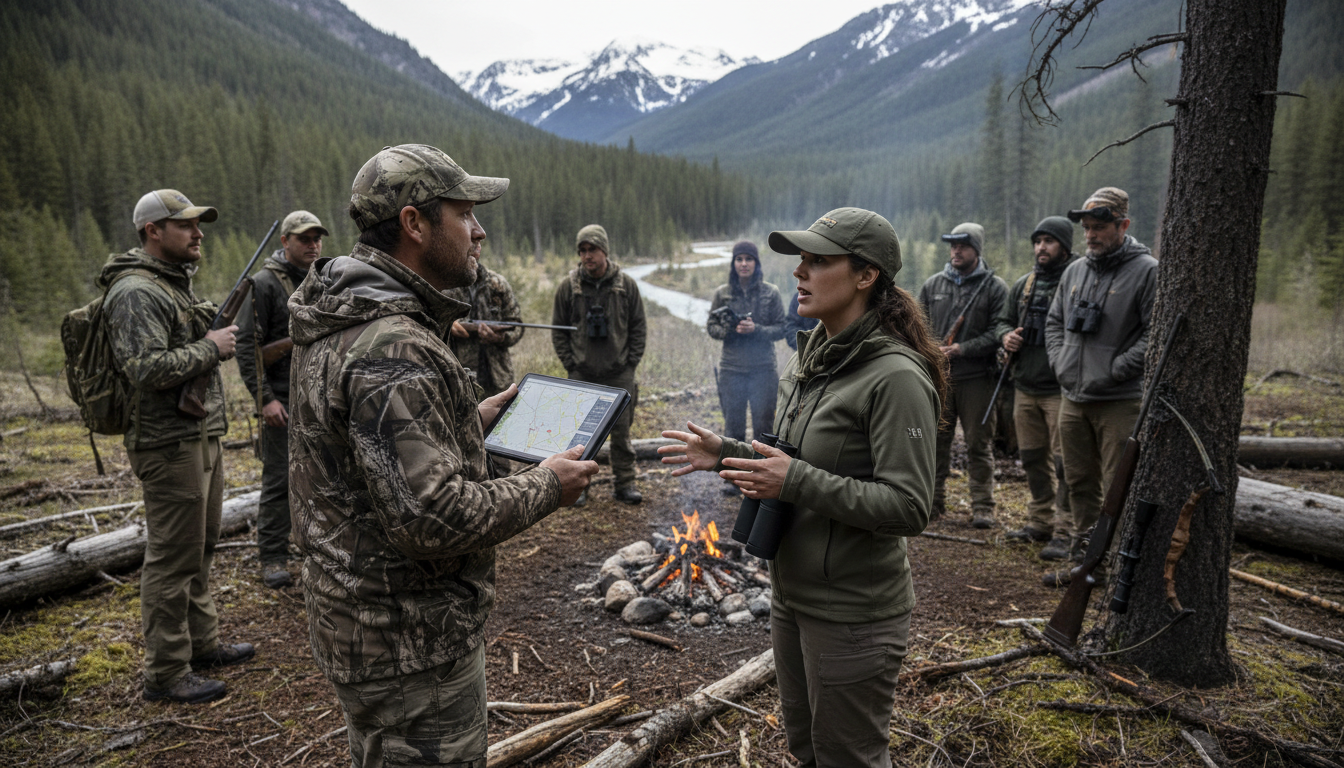
In a landmark decision, Idaho Fish and Game (IDFG) formed the “Hunting and Advanced Technology” (HAT) working group in the summer of 2024, responding to growing apprehensions surrounding the impact of modern technology on hunting practices. This collaborative initiative stemmed from the participation of 750 volunteers representing a diverse spectrum of stakeholders, including traditional archers, competitive long-range shooters, houndsmen, trappers, and bear baiters, all focused on evaluating what constitutes fair chase in big game hunting.
Deep Dive Analysis
Over several months, the HAT working group navigated complex discussions through meetings, presentations, and extensive data gathering, including a statewide survey and public commentary review. By Spring 2025, they submitted a set of recommendations to the Fish and Game Commission aimed at fostering sustainable hunting practices.
Among the recommendations unanimously supported by the group, three additional stringent restrictions concerning hunting technology received significant backing—22 out of the 23 members endorsed them. These proposals are now poised for inclusion in a negotiated rulemaking process, which entails a series of public comment periods and is anticipated to culminate with a formal proposal to the Idaho Legislature during the 2026 session starting January 12.
Proposed Technology Restrictions
Key proposals forwarded for legislative consideration include:
-
Drones: Hunting or scouting big game using any form of aircraft, including drones, will be prohibited from August 30 to December 31. This rule complements existing regulations per Section 36-1101(b) Idaho Code, though it excludes aircraft used strictly for transporting individuals or goods directly between established airstrips without detours for wildlife observation.
-
Night Vision and Thermal Imaging: The use of night vision and thermal imaging technologies for scouting and hunting big game will similarly be banned during the designated hunting season.
-
Transmitting Trail Cameras: Hunters will be restricted from using transmitting trail cameras on any public lands for scouting or hunting during the same timeframe. This regulation specifically targets cameras that transmit images in real-time via cellular or internet connections; traditional trail cameras relying on physical retrieval will remain permissible year-round.
These restrictions are narrowly tailored to big game hunting activities and will not impede the use of these technologies for other aims—such as monitoring private property or safeguarding livestock.
What About Wolf Hunting?
The proposed regulations will minimally affect wolf hunting, which is regulated under different guidelines to manage wolf populations effectively in response to livestock predation. Expanded methods of take, such as thermal optics and drone utilization, will continue to be allowed year-round on private properties with landowner consent. Importantly, hunters targeting wolves in specified expanded methods of take zones will remain unaffected during the allowance window from November 15 to December 31.
How Would the Proposed Rules Affect the Livestock Industry?
It’s crucial to note that the forthcoming regulations do not restrict livestock producers’ abilities to utilize advanced technologies for protecting their herds. Key points include:
- Livestock producers are still permitted to utilize these technologies for monitoring or protecting their animals.
- Producers can obtain kill authorizations from IDFG to employ these tools for addressing predation concerns with wolves and other big game.
- Permits for hunting wolves outside traditional shooting hours using artificial lights or other means remain available.
Why It Matters
These proposed regulations carry significant implications not only for hunters but for local ecosystems and the agriculture economy as well. By safeguarding traditional hunting methods, the IDFG seeks to sustain a culture that values ethical hunting practices while balancing species management and agricultural interests. These measures support conservation efforts by ensuring that hunting remains a sustainable practice aligned with Idaho’s natural heritage.
Field Insights: Pro-Tips and What to Watch For
-
Stay Informed: Keep abreast of public comment periods and community discussions regarding hunting regulations. Your voice counts.
-
Respect Fair Chase: Understanding the ethics behind big game hunting can enhance your experience in the field. Familiarize yourself with what constitutes fair chase to ensure a respectful hunting culture.
-
Monitor Changes: Be vigilant of how these regulations evolve and their impact on hunting seasons, as well as the opportunities for engagement with local wildlife organizations.
As Idaho continues to navigate the intersection of technology and traditional practices, these discussions will shape the future of hunting in the state—ensuring that fairness, sustainability, and respect for wildlife take precedence in our natural landscapes.