


Revitalizing Idaho’s Bighorn Sheep: A Path Toward Population Recovery
Fresh Blood for a Struggling Herd
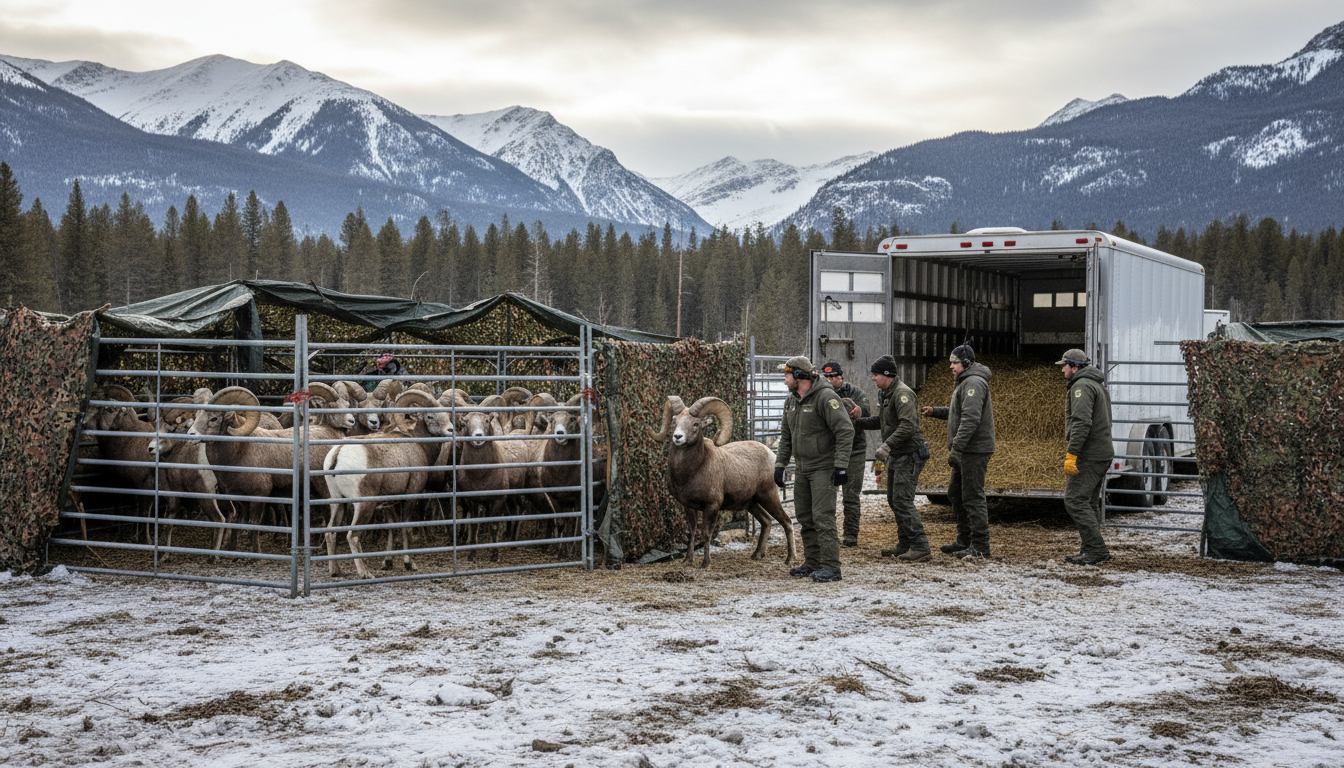
In the rugged terrain of Idaho’s Jacks Creek, a promising solution is emerging for the struggling bighorn sheep population. Recent research funded by the Idaho Chapter of the Wild Sheep Foundation reveals that neither habitat limitations nor disease are responsible for the decline of this majestic herd. Instead, an augmentation effort—introducing new genetic stock from Oregon—aims to breathe new life into a population that holds significant ecological and recreational importance.
Biologists have determined that the region boasts ample habitat, with sufficient resources to support a larger bighorn sheep population. Health assessments conducted on the Jacks Creek sheep show no presence of pneumonia-causing bacteria, which have devastated similar populations in other areas. This positive finding paves the way for a strategic introduction of fresh individuals to the herd.
Triston Warner, President of the Idaho Wild Sheep Foundation, emphasizes the importance of this initiative: “Every cowboy knows that every now and then, you need to bring in a fresh bull for your herd. This same principle applies here. We are hopeful that the new genetic input from Oregon will reinvigorate our declining bighorn sheep.”
Monitoring and Managing Risks
The efforts to bolster the Jacks Creek herd don’t end with the introduction of new individuals. Idaho Fish and Game staff are diligently tracking mortality causes among the bighorn sheep, particularly focusing on predation. Mountain lions present a significant threat to these sheep, and wildlife managers have taken decisive action to mitigate this risk.
Over recent seasons, the agency has expanded hunting opportunities for mountain lions in the Owyhee units. Strategic measures include lifting female hunting quotas, instituting a two-lion bag limit, and transitioning to a year-round hunting season. In addition, the removal of non-resident quotas and discounts on non-resident tags aim to further decrease lion populations that threaten the bighorn sheep.
To ensure the success of the augmentation, Fish and Game will implement additional initiatives aimed at culling problem mountain lions in designated release areas. This multi-faceted approach reinforces a commitment to preserving Idaho’s wildlife heritage while balancing ecological dynamics.
Why It Matters
This initiative carries far-reaching implications for multiple stakeholders:
- Hunters: A revitalized bighorn sheep population enhances hunting opportunities and contributes to sustainable wildlife management.
- Conservationists: Successful augmentation efforts can serve as a template for similar initiatives across the country.
- Local Economies: A healthy bighorn sheep population can boost eco-tourism and outdoor recreation, benefiting local businesses and communities.
- Hikers and Outdoor Enthusiasts: Improved wildlife presence enriches the backcountry experience, fostering a deeper connection to Idaho’s natural landscapes.
Field Insights: Pro-Tips for Engaging with the Wild
As the bighorn sheep population rebounds, outdoor enthusiasts can take proactive steps to engage in the experience:
- Know the Terrain: Familiarize yourself with bighorn sheep habitats, including steep cliffs and rocky outcrops where they thrive.
- Watch for Signs: Look for tracks and sign that indicate sheep presence. Early morning or late afternoon is often the best time for spotting.
- Respect Wildlife Laws: Always follow local regulations regarding wildlife interactions, and keep a safe distance to avoid disturbing animals.
- Participate in Citizen Science: Contribute to monitoring efforts by reporting sightings of bighorn sheep to local wildlife agencies.
By staying informed and engaged, outdoor lovers can help monitor the health of Idaho’s bighorn sheep populations, ensuring these majestic creatures remain a vibrant part of the state’s wilderness for generations to come.