


Governor Pritzker’s Initiative: A Watershed Moment for Conservation in Illinois
A Turning Point in Conservation Policy
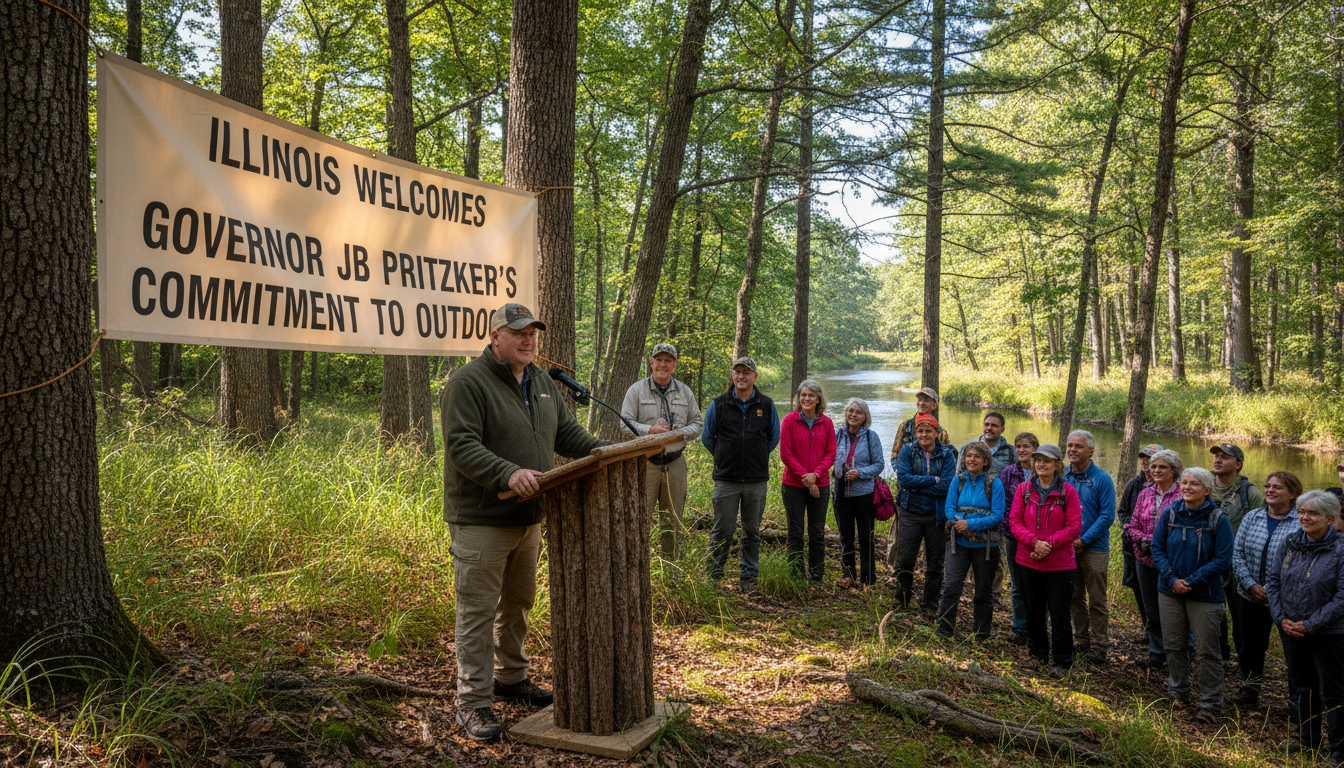
As dawn breaks over the expansive prairies and dense riparian corridors of Illinois, the implications of Governor JB Pritzker’s latest executive initiative ripple through the state’s ecological landscape. Addressing a gathering of environmental advocates and stakeholders, Pritzker unveiled a multifaceted conservation strategy designed to bolster habitat preservation, enhance wildlife management, and support sustainable outdoor recreation. This ambitious plan could be a watershed moment for Illinois’ outdoor heritage, forging a path toward a more resilient ecological framework.
Deep Dive Analysis: A Commitment to Conservation
During his address, Governor Pritzker outlined two pivotal objectives: restoring habitat connectivity and enhancing state-managed lands to optimize biodiversity. The initiative signals a robust commitment to modernizing policies that govern our natural resources, prioritizing ecological restoration as the cornerstone of Illinois’ conservation strategy.
-
Habitat Connectivity: The proposed measures aim to improve ecological corridors that are vital for species migration and health. By focusing on key areas that serve as critical wildlife corridors, the initiative seeks to improve genetic diversity and bolster populations that have been affected by habitat fragmentation.
-
Wildlife Management Practices: Pritzker’s plan emphasizes adaptive management strategies tailored to the state’s unique ecological zones. Enhancements in scientific monitoring will allow for real-time adjustments to hunting regulations and species management, respecting both biodiversity and traditional outdoor activities.
This comprehensive approach reflects a growing recognition of the interconnections between ecosystem health and outdoor recreational opportunities.
Why It Matters
Long-Term Implications for Stakeholders
The ramifications of this initiative are far-reaching for various user groups within the outdoor community. Here’s what it means:
-
Hunters: A healthier ecosystem will support sustainable game populations, enhancing the hunting experience while ensuring that future generations can partake in this vital tradition.
-
Hikers and Outdoor Enthusiasts: Improved trail systems and access points will not only elevate the recreational experience but also increase economic opportunities for local communities that rely on outdoor tourism.
-
Conservationists and Ecologists: The emphasis on scientific data and adaptive management fosters innovative practices that enhance conservation efforts across the state, promoting a deeper understanding of ecological dynamics.
These strategies are not just beneficial but necessary in a time of increasing climate variability, ensuring that Illinois remains a bastion of biodiversity.
Field Insights: Pro-Tips for Outdoor Enthusiasts
As these new conservation policies come into play, here are key considerations for outdoor enthusiasts to stay engaged and informed:
-
Stay Updated: Regularly check the Illinois Department of Natural Resources (IDNR) website for updates on habitat management and new regulations. Engage with public comment opportunities to voice your perspectives.
-
Practice Responsible Recreation: Follow Leave No Trace principles to minimize your impact on vital habitats. Respect signage and stay on established trails to help maintain ecological integrity.
-
Participate in Citizen Science: Get involved in local conservation initiatives or citizen science programs that monitor wildlife and habitat health. Your contributions can be invaluable in supporting ongoing efforts.
-
Connect with Local Organizations: Join local conservation easements or outdoor clubs to stay informed about conservation efforts in your area and participate in restoration projects.
Governor Pritzker’s initiative is not merely a policy change; it represents a pivot toward a more sustainable and collaborative approach to managing Illinois’ natural resources. As stakeholders come together to implement these strategies, the vibrant landscapes of Illinois could flourish, providing enduring benefits for wildlife, outdoor enthusiasts, and the economy alike. This is a crucial chapter in the ongoing narrative of conservation, one that holds great promise for all who cherish the great outdoors.