


Illinois Wildlife Regulations Shake-Up: Impacts on Conservation and Outdoor Recreation
In the heart of Illinois’ verdant landscapes and thriving ecosystems, a significant update to wildlife regulations is stirring the pot for hunters, hikers, and conservationists alike. These new measures, launched by the Illinois Department of Natural Resources (IDNR), are poised to redefine the management of the state’s natural resources and the stewardship of its wildlife populations.
The Lead: Navigating Change in Illinois’ Wild Spaces
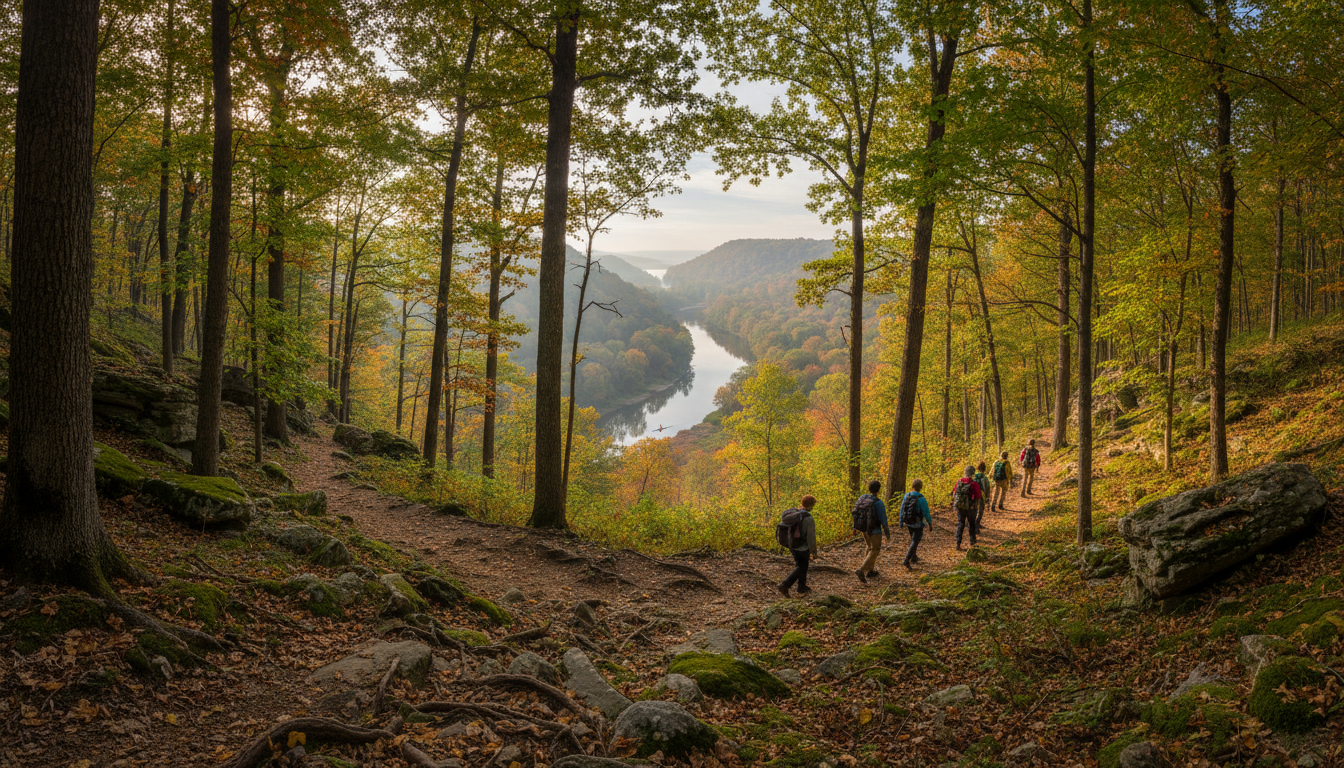
As the sun rises over the Illinois River, casting golden light upon riparian corridors teeming with life, a crucial shift in wildlife regulations has emerged from the shadows of bureaucratic corridors. This update signals a proactive approach towards the essential balance of species management, habitat preservation, and outdoor recreation, resonating with every stakeholder from the avid hunter to the casual hiker.
Deep Dive Analysis: Understanding the Regulation Changes
The newly articulated regulations spearheaded by the IDNR encompass several pivotal updates aimed at enhancing wildlife conservation efforts and promoting sustainable recreational practices. Key highlights include:
-
Adjusted Hunting Seasons and Limits: In a bid to align harvest goals with ecological carrying capacities, the IDNR is revising hunting seasons for several species. This provides hunters with updated guidelines to responsibly engage with the state’s rich game populations.
-
Enhanced Habitat Management Initiatives: New funding opportunities are earmarked for habitat restoration projects, particularly in ecologically sensitive areas such as wetlands and prairies. This aligns with increased efforts to foster biodiversity and improve ecosystem resilience.
-
Public Involvement in Policy Development: The department is opening new channels for public engagement, seeking feedback from outdoor enthusiasts and conservation stakeholders. This move not only encourages transparency but also fosters community commitment to sustainable practices.
These measures reflect a recognition that proactive wildlife management is essential in addressing the challenges posed by habitat loss, climate change, and biodiversity decline in an increasingly urbanized landscape.
Why It Matters
The Long-Term Implications for Illinois’ Outdoor Community
-
For Hunters: Revised hunting seasons are not just about dates; they encourage responsible practices that bolster game populations over time. Ethical disengagement with natural resources ensures that future generations will experience the thrill of the hunt in their birthright.
-
For Hikers and Outdoor Enthusiasts: Improved habitat management will create more vibrant trails and enhance wildlife viewing opportunities, reinforcing the intrinsic connection between recreational activities and conservation efforts.
-
For Local Economies: A healthy ecosystem supports robust tourism. By investing in wildlife and habitat, the state potentially enhances economic opportunities tied to outdoor recreation, benefiting local businesses and promoting a sense of stewardship within communities.
Field Insights: Pro-Tips for Engaging with the New Regulations
-
Stay Informed: Regularly check the IDNR website for the most current regulation updates, as wildlife management strategies are dynamic and can shift based on ecological findings.
-
Engage Locally: Attend town hall meetings or workshops hosted by the IDNR. Your voice can directly influence future policies.
-
Practice Responsible Recreation: Adhere to the new guidelines and be mindful of your impact on wildlife habitats—to ensure the continuation of rewarding outdoor experiences for future generations.
-
Conjoin Recreation with Conservation: Consider participating in local restoration projects. Volunteering can provide insight into habitat needs while fostering a deeper connection to the land.
In conclusion, the recent regulatory changes from the IDNR not only represent a shift in policy but also an opportunity for the outdoor community in Illinois to unite in shared stewardship of their natural heritage. These measures pave the way for a sustainable future filled with adventure, exploration, and profound respect for the wild spaces we cherish.