


Unlocking Transparency: Understanding the Illinois Freedom of Information Act and Its Impact on Conservation
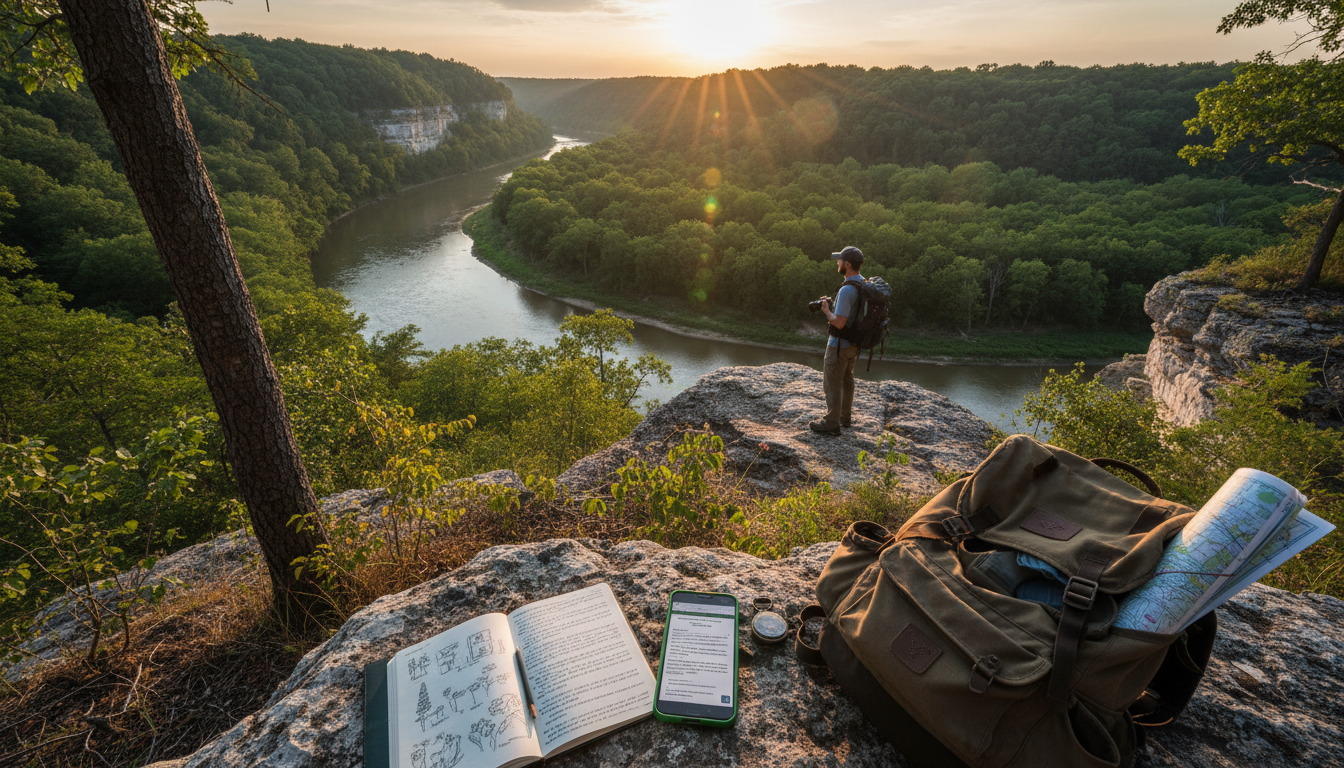
In the shadow of rustling leaves and the whisper of winding rivers, transparency in public governance is as essential as the ecological systems we strive to protect. The Illinois Freedom of Information Act (FOIA) stands as a beacon of accountability, allowing citizens to shine a light on the workings of public agencies. As outdoor enthusiasts and conservation advocates, understanding how to navigate this vital legislation can empower us all in our stewardship of the environment.
What Is the Illinois Freedom of Information Act?
The Illinois Freedom of Information Act (5 ILCS 140) is designed to ensure that the records held by public agencies are accessible to the public upon written request. Under Section 2 (c), a “public record” encompasses a wide range of materials—including reports, forms, correspondence, maps, photographs, electronic communications, and more—that pertain to the transaction of public business. This broad definition ensures that virtually any document generated or maintained by a public body can be accessed, regardless of its physical characteristics.
In essence, FOIA acts as a vital tool for citizens, enabling them to request and access information that has a direct impact on the resources and landscapes they cherish. Whether it’s data related to wildlife management plans, trail maintenance schedules, or conservation funding allocations, FOIA holds the potential to unlock a wealth of knowledge.
Why It Matters
The Ripple Effect on Conservation and Outdoor Recreation
The implications of the Illinois FOIA extend far beyond mere access to documents; they reverberate through the very fabric of our outdoor communities. Here’s why this legislation is crucial for hunters, hikers, conservationists, and local economies:
-
Empowering Stakeholders: Access to public records helps stakeholders advocate for responsible management of natural resources and wildlife habitats. Informed citizens can better participate in public meetings and decision-making processes, fostering a collaborative approach to conservation.
-
Enhancing Trust: Transparent governance nurtures trust between policymakers and the public, fostering a spirit of cooperation that is essential for effective conservation efforts. Trust leads to community engagement, which in turn can enhance volunteer efforts and local stewardship initiatives.
-
Supporting Local Economies: Access to information about land use, permits, and environmental assessments can help local businesses, especially those in outdoor recreation and tourism sectors, thrive. Knowledgeable entrepreneurs can align their services with sustainable practices and conservation goals, benefiting both their businesses and the ecosystem.
Field Insights: Pro-Tips on Utilizing FOIA
Understanding the practical application of FOIA can empower you to become a more informed advocate for our natural resources. Here are several pro-tips to effectively use this legislation:
-
Make Specific Requests: The more precise your written request, the more likely you are to receive a timely and relevant response. Focus on particular documents or datasets pertinent to issues of concern in your community.
-
Know Your Rights: Familiarize yourself with Illinois FOIA’s timelines and responses. Agencies are generally required to respond within five business days, ensuring that your need for information aligns with your advocacy efforts.
-
Engage with Local Groups: Join forces with local conservation organizations or outdoor clubs that are already utilizing FOIA to uncover critical data. Collaboration can amplify the impact of your efforts, providing a unified voice for environmental stewardship.
-
Stay Persistent: If you’re met with resistance or inadequate responses, don’t hesitate to follow up or seek guidance from legal resources. Understanding that FOIA is a tool for transparency empowers you to navigate challenges effectively.
In the intertwining realms of conservation policy and outdoor recreation, the Illinois Freedom of Information Act serves as a crucial conduit for accountability. By exercising your right to information, you not only grow your understanding of the public mechanisms that govern our natural landscape, but you also contribute to a collective effort that impacts hunters, hikers, and conservationists alike.
Embrace the tools available to us—let’s ensure that our natural treasures remain protected and that the voices of informed citizens resonate through the forests and fields of Illinois.