


Invasive Species Threaten Indiana’s Natural Ecosystem: What You Need to Know
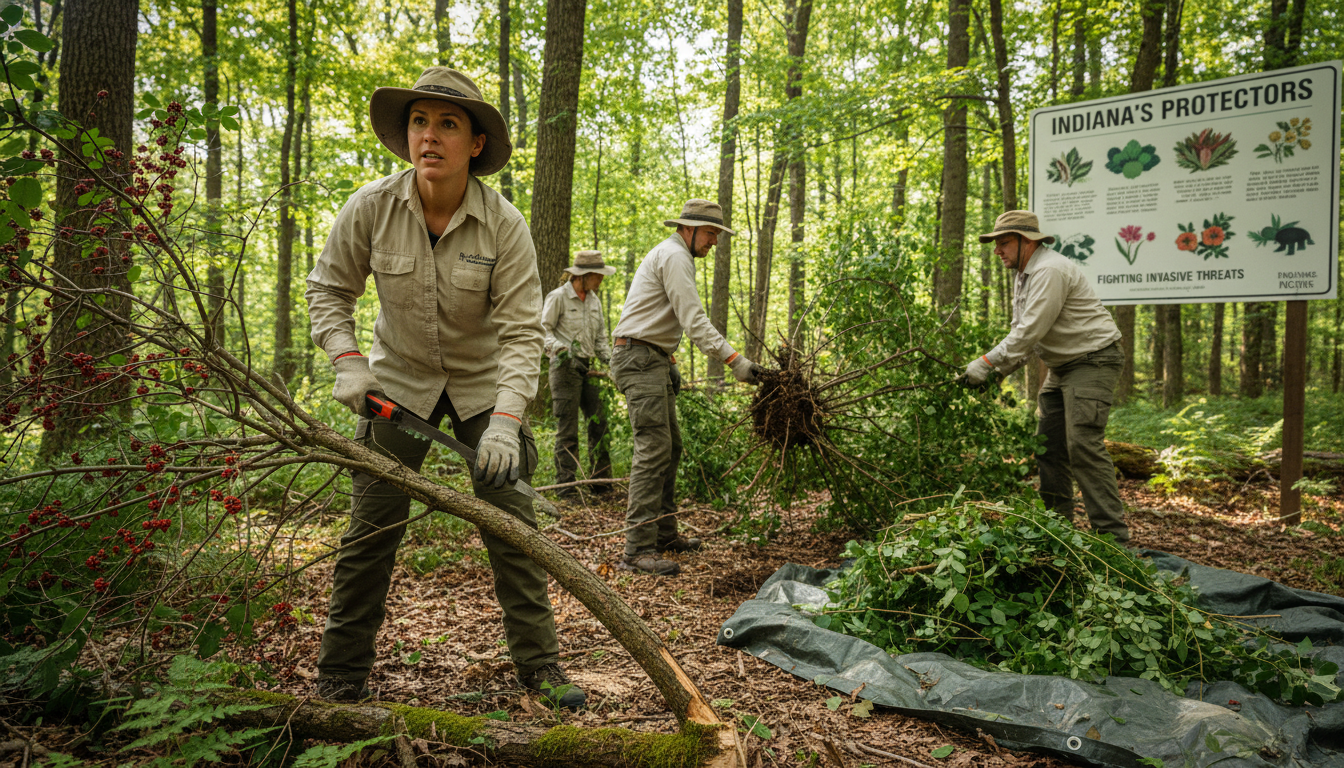
As dawn breaks over Indiana’s lush landscapes, a silent invader lurks in the shadows. From the sprawling fields of corn to the tranquil riparian corridors, invasive species—plants, animals, and diseases not native to our ecosystems—are making their presence known, wielding the potential to wreak havoc on environmental and economic fronts. For those who cherish the great outdoors, from hunters to hikers, the urgency to combat these threats has never been more pronounced.
Understanding the Invasive Species Crisis
Invasive species can alter habitats, deplete resources, and even jeopardize human health. Indiana is particularly at risk, with a growing list of non-native species infiltrating our ecosystems. Not only do these invaders threaten wildlife and habitats, but they also pose substantial financial burdens on local economies through diminished agricultural productivity and increased management costs.
Why It Matters
The implications of invasive species extend far beyond ecological damage. For local hunters and fishers, the introduction of non-native species can disrupt game patterns and water quality, reducing the success of outdoor activities. Hikers and nature enthusiasts may find their beloved trails altered, with native flora and fauna struggling to survive against aggressive invaders. Moreover, communities may face increased expenses in managing these invasions, diverting resources from other critical conservation efforts.
Field Insights: Pro-Tips for Outdoor Enthusiasts
Confronting invasive species is not solely the responsibility of conservation agencies. Outdoor enthusiasts can play a crucial role in safeguarding Indiana’s natural treasures. Here are some actionable strategies:
-
Educate Yourself on Recognizing Invasives: Familiarize yourself with the characteristics of common invasive species in Indiana, such as Japanese knotweed or the emerald ash borer. Understanding their impact is key to reporting sightings.
-
Be Vigilant During Outdoor Activities: Keep an eye out for unusual plant growth or unfamiliar animal signs, especially in areas undergoing drastic changes. Document these observations carefully.
-
Report Sightings: If you notice invasive species during your outings, report them to the Indiana Division of Fish & Wildlife. Accurate data can help coordinate effective response strategies.
-
Practice Clean Hiking: Adopt the habit of cleaning your gear before moving between different natural areas to prevent unintentional transport of invasive seeds or organisms.
For a detailed understanding of how to combat these encroaching threats, refer to the Division of Fish & Wildlife’s Terrestrial Invasive Species Plan. This comprehensive resource outlines both the challenges and strategic initiatives to address the invasive species crisis.
By actively engaging as informed proponents of conservation, Indiana’s outdoor community can turn the tide against invasive species—protecting our forests, wetlands, and the very essence of our natural heritage. It’s not just about preserving the environment; it’s about ensuring the longevity of outdoor recreation for generations to come.