


Is Eating Wild Game Healthy? Discover the Nutritional Benefits!
Eating wild game has been a staple of human diets for centuries, and it continues to capture the interest of health-conscious consumers today. From its rich flavor to its natural lean qualities, wild game offers a range of nutritional benefits that can enhance your dietary habits. In this blog post, we explore the health advantages of incorporating wild game into your meals, providing practical tips and insights for those considering this unique protein source.
What is Wild Game?
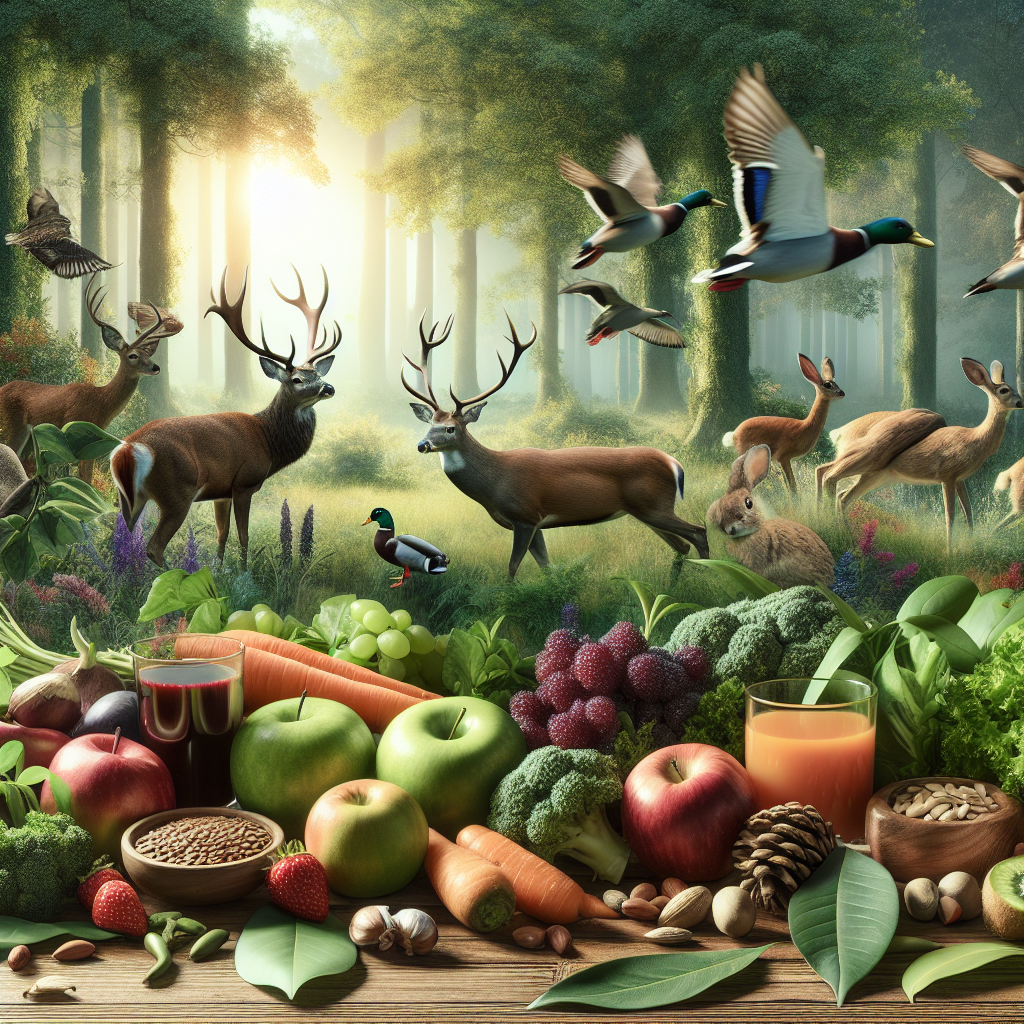
Wild game refers to animals that are hunted in their natural environment rather than raised on farms. This category includes species like deer, elk, wild turkey, duck, and rabbit. Unlike commercially raised meats, wild game is typically leaner and free from many additives and hormones, making it an increasingly popular choice among health enthusiasts.
Nutritional Benefits of Wild Game
1. Lean Protein Source
Wild game is an excellent source of lean protein compared to conventional meats. For instance, venison (deer meat) has significantly less fat than beef and pork. A typical serving of venison provides approximately 25 grams of protein per 3-ounce serving, while containing less than 5 grams of fat. This makes it ideal for those looking to maintain or build muscle without excessive fat intake.
2. Rich in Omega-3 Fatty Acids
Many wild game animals have a diet rich in natural vegetation, which contributes to healthier fat profiles. Wild game is often higher in Omega-3 fatty acids compared to grain-fed livestock. Omega-3s are essential for heart health, brain function, and reducing inflammation. For instance, wild salmon can deliver higher levels of these beneficial fats than farmed salmon.
3. Abundant in Essential Vitamins and Minerals
Wild game is packed with essential nutrients. For example, venison is rich in iron, zinc, and B vitamins, specifically B6 and B12, which are crucial for energy production and cognitive function. Elk and bison also provide significant amounts of selenium, necessary for thyroid function and antioxidant protection. Including a variety of game meats in your diet can enhance nutrient diversity and boost overall health.
Key Advantages of Incorporating Wild Game
1. Lower Risk of Antibiotic Resistance
In contrast to conventionally farmed meats, wild game animals are generally not treated with antibiotics or synthetic hormones. This means that consuming wild game can reduce your risk of antibiotic resistance, a growing health concern worldwide.
2. Sustainable and Environmentally Friendly
Hunting wild game helps control animal populations and contributes to wildlife conservation efforts. By choosing wild game, you’re supporting sustainable practices that promote ecological balance.
3. Unique and Flavorful Culinary Experience
Wild game offers a range of flavors that are distinct from traditional meats. From the rich taste of elk to the unique flavor profile of wild duck, incorporating wild game into your meals can diversify your culinary repertoire. Experimenting with different species can also enhance your cooking skills and expand your taste preferences.
Practical Tips for Eating Wild Game
- Start with Familiar Cuts: If you’re new to wild game, begin with cuts that resemble those of domesticated meats, such as steaks and ground meat. This can make it easier to adapt recipes.
- Marinating is Key: Wild game can be lean, so consider marinating it to enhance flavor and tenderness. Use natural ingredients like olive oil, herbs, and citrus.
- Slow Cooking: Cooking wild game at lower temperatures for longer periods can yield delicious, tender results. Techniques like braising or stewing work particularly well.
- Experiment with Cooking Methods: Grilling, smoking, and roasting can enhance the unique flavors of wild game. Adjust cooking times based on the specific animal’s fat content and size.
Health Notes
In conclusion, incorporating wild game into your diet can significantly enhance your nutritional intake with its lean protein, rich Omega-3 fatty acids, and abundance of essential vitamins and minerals. It also offers unique taste experiences and contributes to sustainable eating practices. As we strive for healthier choices, consider adding wild game to your meals for a delicious and nutritious alternative.
For more information on the nutritional benefits of wild game, refer to resources from the U.S. Department of Agriculture and National Wildlife Federation. Embrace the healthier path towards food that is both natural and flavorful!