


Introduction
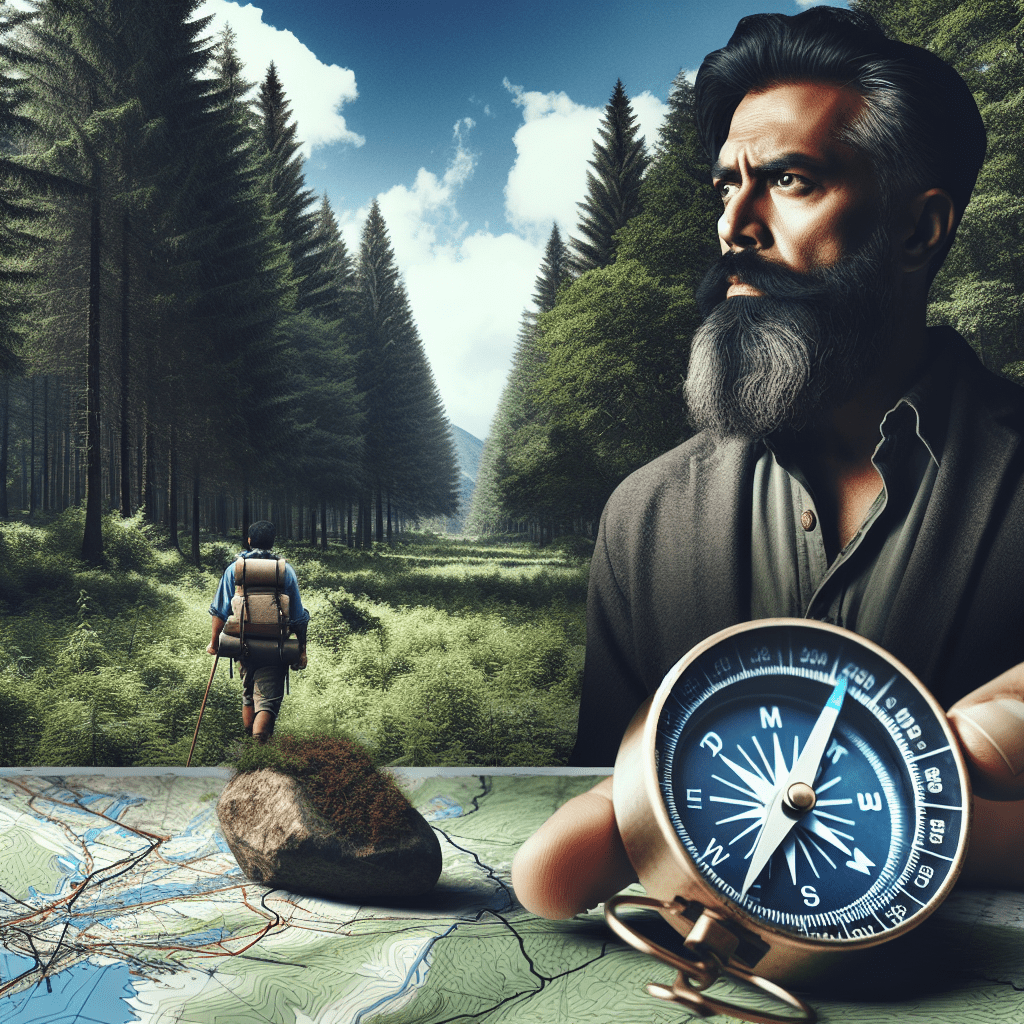
Imagine standing at the edge of a vast forest, the sun dipping low on the horizon, casting elongated shadows over the untamed ground. Your heart races with excitement, but suddenly uncertainty creeps in. You’ve ventured deeper than intended, and the familiar markers of your path have vanished. This moment encapsulates the essence of wilderness navigation—a skill essential for any outdoor enthusiast. In this guide, “Lost No More: Tips for Effective Wilderness Navigation,” we will explore practical techniques to ensure you never lose your way in the wild, while sharing personal anecdotes to demonstrate the significance of these skills.
When it comes to exploring the great outdoors, a solid grasp of navigation methods can mean the difference between a thrilling adventure and a harrowing tale of rescue. From traditional methods like maps and compasses to modern GPS devices and apps, mastering wilderness navigation is an idea rooted in both preparation and intuition. Let’s dive into the world of effective wilderness navigation, armed with actionable tips and relatable stories to keep you safely exploring.
Understanding Your Tools: Maps and Compasses
The Value of a Good Map
A printable topo map or trail map offers a wealth of information. It illustrates terrain, elevations, water sources, and established trails, allowing for effective route planning.
During a solo hike in the Rockies, I learned the hard way how crucial having a good map can be. I felt confident as I set off, but when I hit a fork in the trail, everything changed. With no clear understanding of the terrain from my smartphone, I took the wrong path, which led to an exhilarating but unexpected detour. The experience taught me that relying solely on digital apps can be risky; always carry a physical map for backup.
Mastering the Compass
A compass is a timeless tool that still holds value today. Understanding how to read a compass and calibrate it can prevent misdirection in the wilderness.
On a group hiking trip in the Appalachian Trail, we relied on a compass to find our way through dense fog. One of our friends misread the bearings, and we ended up hiking about two miles off course. While it turned into a memorable tale of teamwork, it also reinforced the lesson: practice using a compass before your adventure.
Tying It Together: Maps and Compasses
Combining these two tools enables comprehensive navigation. Learn how to orient your map with your compass to ensure you’re headed in the right direction.
Modern Navigation: GPS and Mobile Apps
Embracing Technology
In today’s tech-savvy world, GPS devices and navigation apps have transformed how we explore. These tools simplify route planning, streamline real-time navigation, and even offer features like waypoint marking.
Once, during a multi-day backpacking trip, my group relied heavily on a GPS app. It eased communication and enhanced safety. However, when the battery died unexpectedly, we were plunged back into old-school navigation! While it felt disconcerting at first, it emphasized the importance of having alternate plans when technology fails.
What to Look For in Navigation Apps
When choosing a navigation app, look for features like offline maps, waypoint capabilities, and trail ratings. Ideally, the app should also work when your phone is out of signal range, to ensure you don’t get stranded without direction.
The Critical Skill: Route Planning
Planning for Success
Effective route planning involves more than simply mapping out your course; it addresses anticipated challenges, distances, and estimated time.
During a summer hiking trip with friends, we underestimated the time needed for an extended trail. When the sun began to set, we found ourselves hastily navigating a dark forest. What could have been an enjoyable evening hike turned into a nerve-wracking scramble. Lesson learned: always plan based on your skill level and allow for unforeseen circumstances.
Consider Environmental Factors
Assess seasonal conditions, wildlife activity, and weather forecasts when plotting your route, as these elements can significantly impact your navigation experience.
Practicing Navigation Skills in the Field
Building Confidence Through Practice
Practice does not just make perfect; it builds confidence. Use local trails to practice navigating with maps, compasses, and GPS devices.
I remember a chilly fall weekend spent wandering the local trails with my son. Our goal was to complete a short hike without consulting any technology. As we encountered unfamiliar terrain, we began utilizing our map and compass together. It was a rewarding experience—transforming a potential mishap into an engaging learning moment—and proof that every outdoor adventure can teach us something new.
Common Mistakes to Avoid
Using Only One Method
Relying solely on one navigation method can put you at risk. Instead, develop fluency in maps, compasses, and GPS devices to create a reliable skill set.
During a day hike in New Hampshire, I once came across a hiker who had solely relied on her phone for navigation, only to find out that the app had drained her battery. We teamed up and used my paper map, but it was a stark reminder of the perils of singular reliance.
Ignoring Your Surroundings
Stay aware of your surroundings and look for landmark features, which can provide valuable clues about your position.
While hiking in Wyoming, I learned this the hard way. I was so focused on my GPS that I failed to note the distinctive rock formations, which would have led me back to the trail. Navigational confidence comes with practice and immersion in nature’s sights and sounds.
Wrap-Up: Key Takeaways
As outdoor enthusiasts, effective wilderness navigation skills ensure safety and confidence in our adventures. Remember to:
- Equip yourself with both maps and compasses, and master the basics of their use.
- Embrace technology, but always have a backup plan.
- Prepare adequately by planning routes and anticipating the unexpected.
- Practice, practice, practice—confidence in navigation comes from experience.
- Be aware of your surroundings to reinforce your understanding of the landscape.
With these tips, you’ll transform from feeling lost to navigating with ease, remaining ‘lost no more’ in the wilderness.
Reader Questions Answered
1. How Do I Choose the Right Navigation Tools?
Choosing the right navigation tools depends on your experience and comfort level. Start with a reputable compass and a reliable map of your area. As you build confidence, consider integrating GPS devices and mobile apps that include offline functionalities.
2. What Should I Do If I Get Lost?
If you find yourself lost, stay calm. Use your map and compass to identify your last known location. Retrace your steps if possible, or follow a stream or path that may lead to safety. Remember that panic can cloud judgment; take deep breaths and assess your surroundings.
3. Can Technology Fail Us in Navigation?
Yes, technology can fail due to battery depletion, poor signals, or software glitches. It’s essential to always have backup methods—such as maps and compasses—available during your outdoor excursions.
4. How Often Should I Practice Navigation Skills?
Regular practice is vital! Aim to practice navigation skills at least a couple of times a season, whether on short hikes or extended trips, to build confidence in your abilities and ensure readiness for unexpected challenges.
5. What Are the Best Tools for Wilderness Navigation?
Some top tools for wilderness navigation include a good-quality map of the area, a compass, a GPS device, and navigation apps like AllTrails or Gaia GPS, particularly ones that offer offline usage.
FAQs
1. Is it necessary to have a map and compass if I have a GPS?
Yes, technology can fail, and having a map and compass as backups can significantly increase your safety and preparedness.
2. How do I know if my compass is functioning correctly?
You can quickly check your compass by placing it flat on a surface and ensuring it points toward magnetic north. If it doesn’t, recalibrate or replace it as necessary.
3. What should I do if I encounter wildlife while navigating?
Stay calm and maintain a safe distance from wildlife. If you’re lost, remember to avoid panicking, as it can complicate decision-making and navigation efforts.
With these guidelines and insights, you can embark on your next outdoor adventure with the skills necessary to confidently navigate the wilderness—ensuring that you’re never “lost” again!