

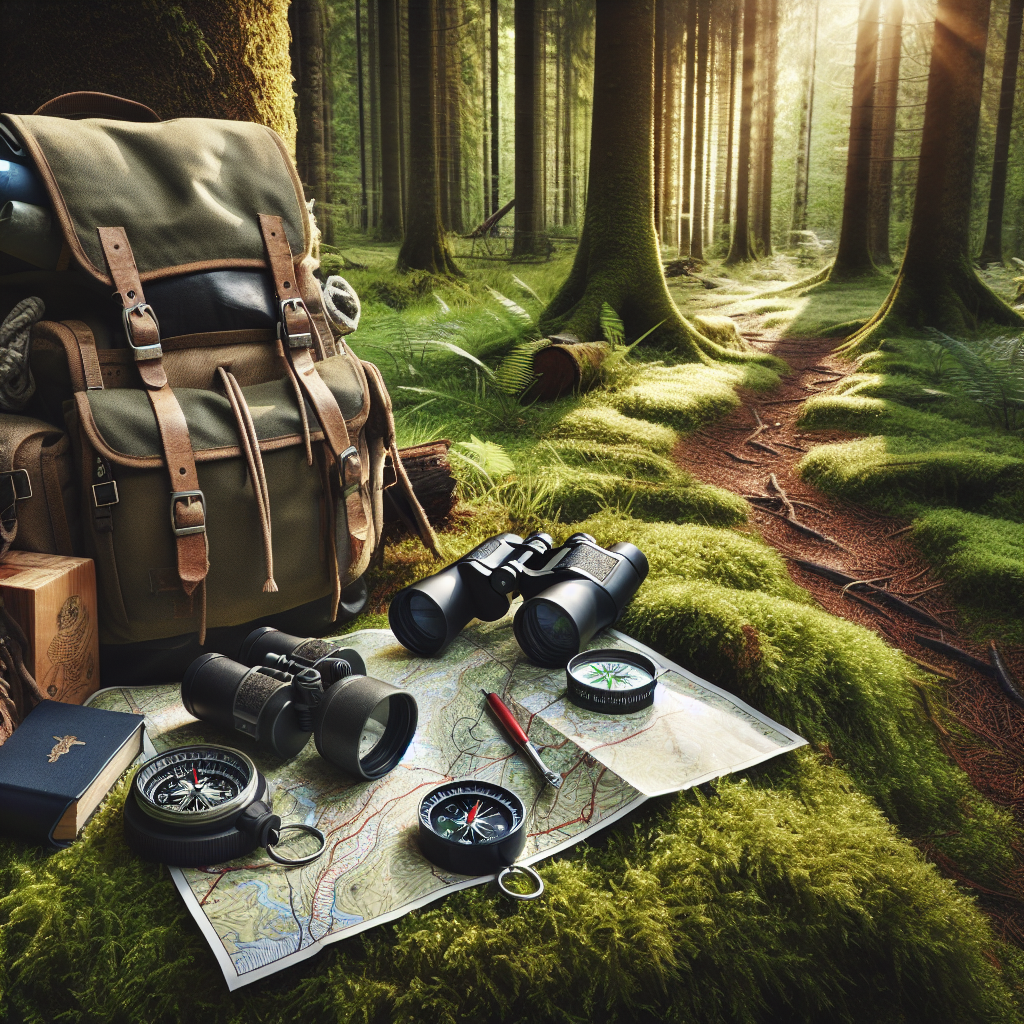

Outdoor adventures can be thrilling, invigorating, and sometimes downright daunting. Whether you’re traversing a sprawling forest, navigating a rugged mountain trail, or enjoying a tranquil lakeside retreat, knowing how to orient yourself in the wilderness is essential. In this comprehensive guide, we’ll explore “Lost or Found? Essential Tips for Outdoor Orientation.” Highlighting practical skills and sharing compelling anecdotes, I aim to equip you with vital knowledge for safer outdoor adventures.
The Importance of Orientation Skills
Imagine stepping into the wilderness, surrounded by towering trees, the smell of fresh pine filling the air, and the sound of rustling leaves above. In a setting like this, disorientation can creep up on even the most seasoned hikers. Orientation skills help you understand your surroundings, navigate confidently, and ensure you can find your way back to safety.
Lost? Found? These two words encapsulate the essence of outdoor orientation. Knowing how to navigate can mean the difference between a thrilling adventure and a stressful ordeal. Every outdoor enthusiast should hone these skills, regardless of their experience level.
Understanding Your Tools
Map Reading
There’s something timeless about the feel of a paper map in your hands. Though technology has advanced our mapping resources, knowing how to read a map is a fundamental skill for any adventurer. When I first ventured into the backcountry, I relied solely on my smartphone, confident in its abilities. That is until my battery conveniently died mid-hike.
Key Tip: Learn to identify key features on your map, such as topographic lines, landmarks, and scale. Always carry a physical map and compass as backups.
Compass Basics
The compass is a true hero in the outdoor navigation toolkit. A simple yet effective device, it points north and helps you maintain your bearings. During my first long-distance backpacking trip, I made the rookie mistake of assuming my map’s orientation was the only thing I needed—until I found myself at a T-junction with no clear direction.
How to Use a Compass:
- Hold the compass flat and steady.
- Turn your body until the needle aligns with the orienting arrow.
- Read the compass bearing to follow a map direction.
Knowing how to synchronize your compass with your map is crucial for effective orientation.
The Role of Technology
GPS Devices and Apps
While a compass and map are irreplaceable, modern technologies such as GPS devices or smartphone apps can enhance your navigation experience. They can provide real-time location tracking, routes, and even alternative paths. However, the reliance on technology isn’t without its pitfalls—signal loss in remote areas can occur, leaving you high and dry.
A Personal Anecdote: On my last camping trip, I relied heavily on GPS navigation. Confidently, I followed my device’s directions—until it stopped working as I entered a canyon. Thankfully, I had reviewed the map beforehand, recalling key landmarks, which ultimately guided me back to safety.
Important Reminder
Always download maps for offline use before heading out. A reliable power bank doesn’t hurt either—but remember, batteries can die unexpectedly.
Utilizing Landmarks for Navigation
One of the simplest skills to master is navigation by landmarks. Items like mountain peaks, rivers, or unique formations can serve as natural compasses, guiding you back to familiar territory. During an unforgettable adventure in the Colorado Rockies, I lost sight of the trail. By spotting a distinct peak, nearly a mile away, I realigned myself and regained my path.
Quick Tips for Recognizing Landmarks:
- Familiarize yourself with identifying surrounding features before a hike.
- Keep a mental note or sketch key markers on your map.
Natural Navigation Techniques
The Sun and Stars
Depending on the time of day, the sun and stars are two of nature’s best guides. Knowing the sun’s path can help you navigate during daylight hours. For instance, the sun rises in the east and sets in the west, which helps orient your general east-west direction.
At Night: If you’re out after dark, the North Star can be a compass point in the northern hemisphere.
Enviromental Cues
Don’t forget to observe natural elements. Moss generally grows on the northern side of trees, while the wind often blows from predictable directions based on local geography.
Emergency Protocols
What to Do If You Get Lost
- Stay Calm: Panic can cloud your judgment. Take deep breaths.
- Retrace Your Steps: Look for recognizable paths or markers.
- Set Up Camp: If you can’t find your way within a reasonable time, setting up camp and waiting for morning light may be your best option.
- Signal for Help: Utilize whistle signals or create a smoke signal if necessary.
A Story to Remember: During a summer camping expedition, a friend became overwhelmed after venturing off the path. I reminded them of this protocol. We built a small fire for warmth and safety and spent the night discussing how beautiful the stars looked unencumbered by city lights. The next day, we easily found our way back by retracing our steps together.
Preparing in Advance
Checklist for Outdoor Orientation Preparation
- Learn Basic Navigation Skills: Practice reading maps and using a compass.
- Map Your Route: Before leaving, map your destinations and familiarize yourself with what you’ll encounter.
- Pack Essential Tools: Include a compelling selection of navigation aids—physical map, compass, GPS, and a power bank.
- Check the Weather: Sudden weather changes can complicate orientation. Plan accordingly.
Wrap-Up / Key Takeaways
Outdoor orientation is not just a skill—it’s a crucial safety measure for every adventurer. From understanding maps, using compasses, leveraging technology, recognizing landmarks, to having a solid preparation checklist, these “Lost or Found? Essential Tips for Outdoor Orientation” will guide your adventures.
Always remember: stay calm if you encounter uncertainty and employ the knowledge you’ve gained. After all, every great outdoor enthusiast navigates the wilderness with confidence.
Reader Questions Answered
Q1: How do I handle a situation where I feel lost in the wilderness?
A1: Stay calm, retrace your steps, and use your map and compass. If necessary, set up camp and wait for morning light to reassess your situation.
Q2: What are some apps that can help with outdoor navigation?
A2: Popular navigation apps include Gaia GPS, AllTrails, and ViewRanger. Ensure these maps are downloaded before going offline.
Q3: What should I include in my outdoor navigation tool kit?
A3: Essential tools include a physical map, compass, GPS device, power bank, and matches for fire-making.
Q4: Can I navigate without a GPS?
A4: Yes! Mastering traditional navigation skills such as using a map and compass is essential when technology fails.
Q5: How can I enhance my map reading skills?
A5: Practice by reading different types of maps, attending navigation workshops, or joining a local hiking club.
FAQs
Q: What should I do if my phone dies while hiking?
A: Always rely on a physical map and compass as backups to avoid losing your way.
Q: Are there any common mistakes to avoid when navigating?
A: Relying solely on technology and not marking unique landmarks can lead to disorientation.
Q: Why is it essential to prepare before hiking?
A: Preparation reduces the chances of getting lost, ensuring a safer, more enjoyable outdoor experience.
Exploring the great outdoors should be a positive and enriching experience. Equip yourself with essential orientation skills, and embrace the wild with confidence! Happy adventuring!