

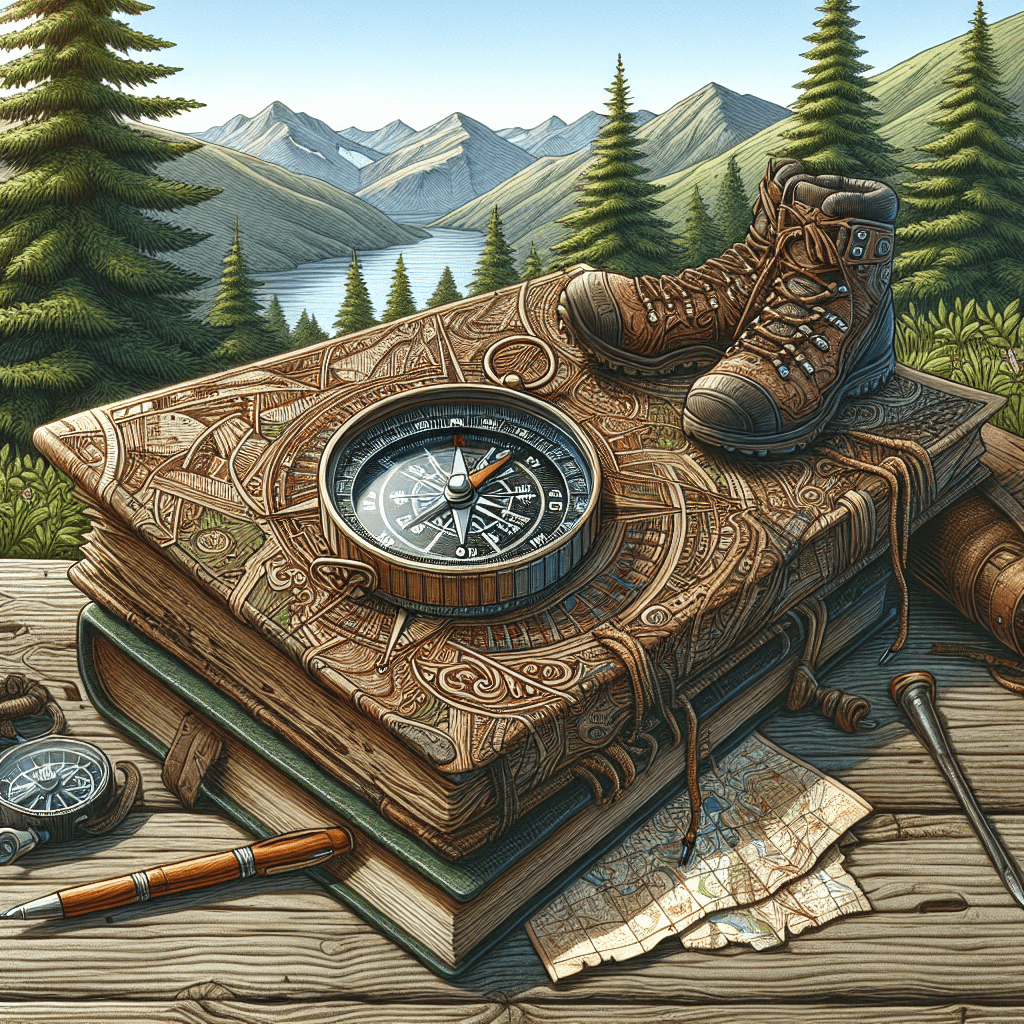

Navigating through the great outdoors can be as exhilarating as it is intimidating, especially for beginners. In today’s digital age, it’s easy to rely on GPS technology. However, understanding the fundamentals of map reading remains a vital skill for any outdoor enthusiast. In this comprehensive guide, we’ll dive into the art of map reading, sharing personal insights and lessons learned along the way, equipping you with the knowledge you need for safe and enjoyable adventures.
The Importance of Map Reading Skills in Outdoor Navigation
Imagine standing at the edge of a sprawling forest, your surroundings bathed in dappled sunlight, and feeling a surge of excitement mixed with a hint of trepidation. This was me a few years back, eager to explore a new hiking trail but unsure of my route. As I unrolled my map, it became clear that relying solely on my smartphone could lead to disappointing dead ends or, worse yet, getting lost.
Map reading is not just a practical skill; it’s a rite of passage for outdoor adventurers. It enables you to make informed decisions, connect with your environment, and enjoy the journey as much as the destination.
Navigating the Basics: Understanding Different Types of Maps
When it comes to outdoor navigation, the first step is to become familiar with the different types of maps available.
Topographic Maps
Topographic maps are your best friends when hiking, camping, or exploring remote areas. They illustrate elevation changes and terrain features using contour lines. For instance, on my first multi-day backpacking trip in the Rocky Mountains, these maps proved invaluable in helping me assess the challenges of steep ascents and descents.
Trail Maps
Trail maps provide detailed layouts of specific parks and trails, showing paths, distances, and key landmarks. While planning a recent camping trip, I relied heavily on these maps to chart my route carefully, ensuring I wouldn’t miss the stunning waterfall I had heard so much about.
Road Maps
Often overlooked, road maps are essential for getting to the trailhead. They provide a broader view of the surrounding areas, helping you navigate your way through towns and backroads.
How to Read a Map: The Essential Components
Understanding how to read a map is as critical as having one. Let’s break down the key components.
Scale
The scale indicates the relationship between distances on the map versus real life. Understanding this ratio allows you to estimate travel times. During my first solo hike, I miscalculated time because I underestimated a three-mile stretch that seemed doable on paper.
Symbols and Legend
Maps are rich with symbols, detailing everything from hiking trails to campsites. Always consult the legend before setting off. During one trip, I overlooked a symbol indicating a steep drop-off, which led me to take an unintended detour.
Compass Rose
The compass rose shows directions (north, south, east, and west) and is crucial for orienting your map. On one memorable adventure, I found myself disoriented without a compass, stressing the importance of this basic mapping tool.
Practical Steps: How to Use Your Map
Now that you’re familiar with different types of maps and their components, let’s explore how to practically use them in outdoor navigation.
Gathering Your Tools
Before heading out, gather the necessary tools: a compass, a physical map of the area, and a notepad for jotting down important details. Always carry physical copies, as digital devices can fail.
Orienting Your Map
Start by orienting your map to the surrounding landscape. Align the north on your map with real north—this will give you a clearer view of your surroundings and intended route.
Plotting Your Course
Identify where you are and where you want to go. Mark key waypoints along your route. During a challenging backcountry trip, plotting my course ahead of time allowed me to navigate subtle changes in terrain, saving both time and energy.
Estimating Distances and Time
Use the map’s scale to estimate distances and then calculate the time required. A good rule of thumb is that flat terrain allows for a speed of around 3 mph, while uphill paths can reduce that to about 1 mph. This knowledge helped me plan rest breaks effectively on my last hike.
Avoiding Common Mistakes in Map Reading
Even seasoned adventurers can fall victim to common map reading mistakes. Avoid these pitfalls to enhance your outdoor experience.
Relying Solely on Technology
As stated earlier, technology has its limits. My phone died during an unexpected rainstorm once, leaving me without a navigational aid. Always carry a physical map and know how to use it.
Ignoring the Terrain
Many beginners overlook the topography of an area. My first hike up a mountain ridge taught me the hard way—what seemed like a straightforward path quickly turned into a steep, arduous climb that I was unprepared for.
Failing to Practice Navigation Skills
Like any skill, map reading and navigation require practice. Before heading out, I always review my map skills in simpler environments, ensuring I build confidence and competence.
Wrapping Up: Key Takeaways for Mastering Map Reading
Mastering map reading is an essential skill for any outdoor enthusiast. It not only boosts your confidence but also enhances your overall experience in nature. Here’s a quick recap of what we covered:
- Understand different types of maps and their components.
- Gather essential tools, including a compass and physical map.
- Orient your map, plot your course, and estimate distances effectively.
- Avoid common mistakes and make practice a regular part of your outdoor preparation.
Getting lost doesn’t have to be part of the adventure; equip yourself with the right skills to navigate confidently!
Reader Questions Answered
Question 1: What should I do if I get lost while hiking?
Stay calm, retrace your steps if possible, and use your map and compass to find your current location. Identify familiar landmarks and always have a backup plan for emergency situations.
Question 2: How can I practice my map reading skills?
Start small—use maps of local parks or trails. Simulate outdoor experiences at home by plotting courses and practicing orientation.
Question 3: Are topographic maps necessary for simple hikes?
While they may not be necessary for straightforward paths, topographic maps can help you understand elevation changes, which is valuable even on simple hikes.
Question 4: Can I use my smartphone for map reading?
Yes, but always have a physical map as a backup. Download offline maps and familiarize yourself with map apps’ functions and features before heading out.
Question 5: What’s the best mapping tool for beginners?
Topographic maps are best for overall navigation. However, trail maps specific to your hiking area will provide the most relevant details.
FAQs
What is the most important skill for outdoor navigation?
Map reading is arguably the most critical skill for outdoor navigation, as it sets a strong foundation for understanding your surroundings.
How do I choose the right map for my trip?
Select a map based on your destination, focusing on details like elevation, trails, and landmarks. Local trail maps are often the best for specific areas.
Should I always carry a compass with me?
Yes, regardless of the technology you carry, a compass is a reliable tool that will aid in navigation should your tech fail.
With this comprehensive guide, you’re equipped to embark on your outdoor adventures with confidence. Remember, the journey is just as important as the destination, so embrace every moment along the way!