

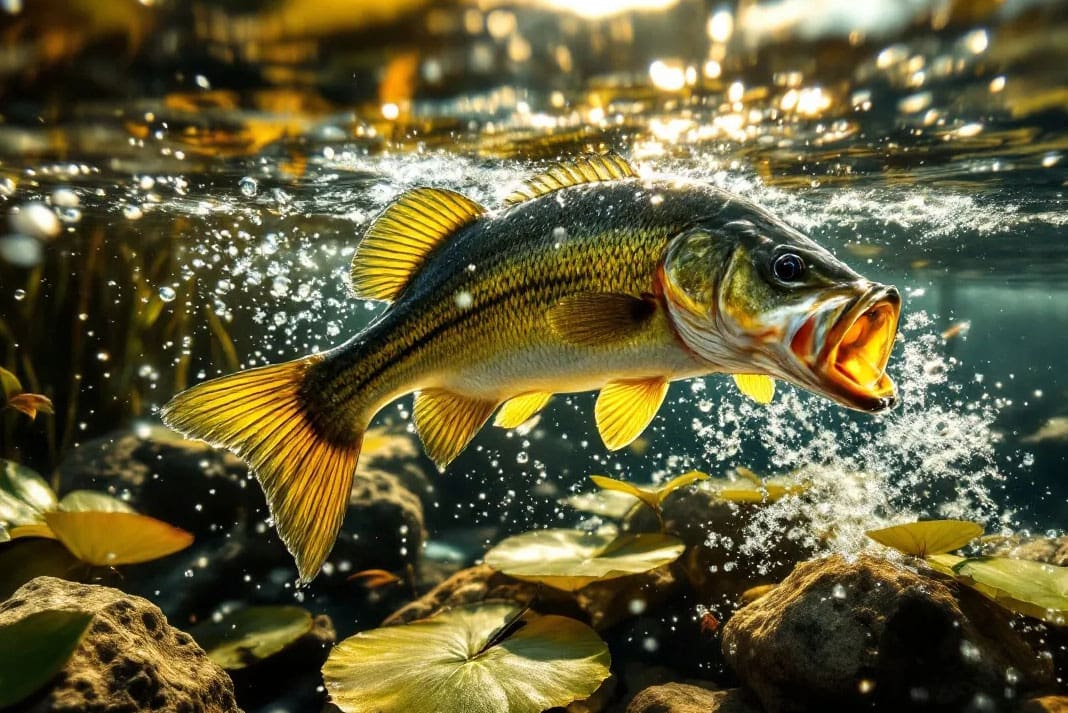

Fishing, especially for bass, is as much an art as it is a science.
Understanding the right lures to use, when to use them, and the nuances of bass behavior can significantly enhance your fishing experience. This article will delve into the various aspects of mastering lure techniques to help you attract more bass.
Understanding Bass Behavior
Seasonal Patterns
Bass behavior fluctuates with the seasons. During spring, they spawn and are more actively feeding, making it a prime time for anglers. Summertime brings warmer waters, leading bass to seek cooler depths. In fall, they begin to bulk up for winter, while in winter, they become less active, often preferring deeper waters.
Time of Day
Bass are often more active during dawn and dusk, known as the “golden hours.” Fishing during these times can yield better results. Night fishing, particularly with surface lures, can also be effective.
Choosing the Right Lure
Types of Lures
-
- Crankbaits: These lures mimic the swimming action of baitfish. They are versatile and can be used in various depths, but choosing the right color is essential, especially in murky waters.
-
- Spinnerbaits: Perfect for covering a lot of water quickly, spinnerbaits create flash and vibration that can attract bass. They work well in windy conditions and around structures.
-
- Jigs: Jigs are excellent for targeting bass hiding in cover. They can mimic crawfish and other forage and are versatile due to their ability to sink quickly.
-
- Topwater Lures: These lures create commotion on the surface, drawing attention. Ideal for early morning or late evening fishing, they can lead to explosive strikes.
-
- Soft Plastics: Versatile and often mimicking worms or insects, soft plastics can be rigged in various ways (Texas rig, Carolina rig) to suit different fishing conditions.
Color Selection
The color of your lure can make a significant difference in attracting bass. In clear water, natural colors such as shad or bluegill work well, while in murky conditions, brighter colors can be more effective. Don’t hesitate to experiment with different colors until you find what resonates with the bass on that particular day.
Techniques for Effective Lure Use
Retrieval Methods
Different retrieval methods can yield different results. Here are a few techniques to master:
-
- Steady Retrieve: This is ideal for crankbaits and spinnerbaits. Keep a consistent speed to mimic the motion of prey.
-
- Stop-and-Go: Perfect for jigs and soft plastics, this method involves a series of pulls followed by pauses to mimic a struggling prey.
-
- Walking the Dog: This technique is specific to topwater lures and involves a side-to-side motion, creating an enticing action that bass can’t resist.
Location, Location, Location
Fishing is not just about the lure you use; it’s also about where you fish. Look for areas where bass are likely to hide, such as:
-
- Weeds and Vegetation: Bass love to ambush prey from cover.
-
- Rocky Structures: These provide ambush points and shelter for bass.
-
- Docks and Overhanging Trees: These are often overlooked but can be prime spots for bass.
Experimentation and Adaptation
No two fishing trips are the same. Conditions change, and so do fish behaviors. Be prepared to adjust your strategy. If a technique or lure isn’t working, don’t hesitate to switch it up. Experiment with different lures, colors, and retrieval methods until you find what works best for that specific day.
Conclusion
Mastering the art of lure fishing for bass involves understanding the fish’s behavior, choosing the right lures, employing effective techniques, and being adaptable. With these strategies in your arsenal, you’ll increase your chances of not just catching more bass but enjoying the entire fishing experience. Happy fishing, and may your next trip be filled with tight lines and thrilling catches!