


Introduction
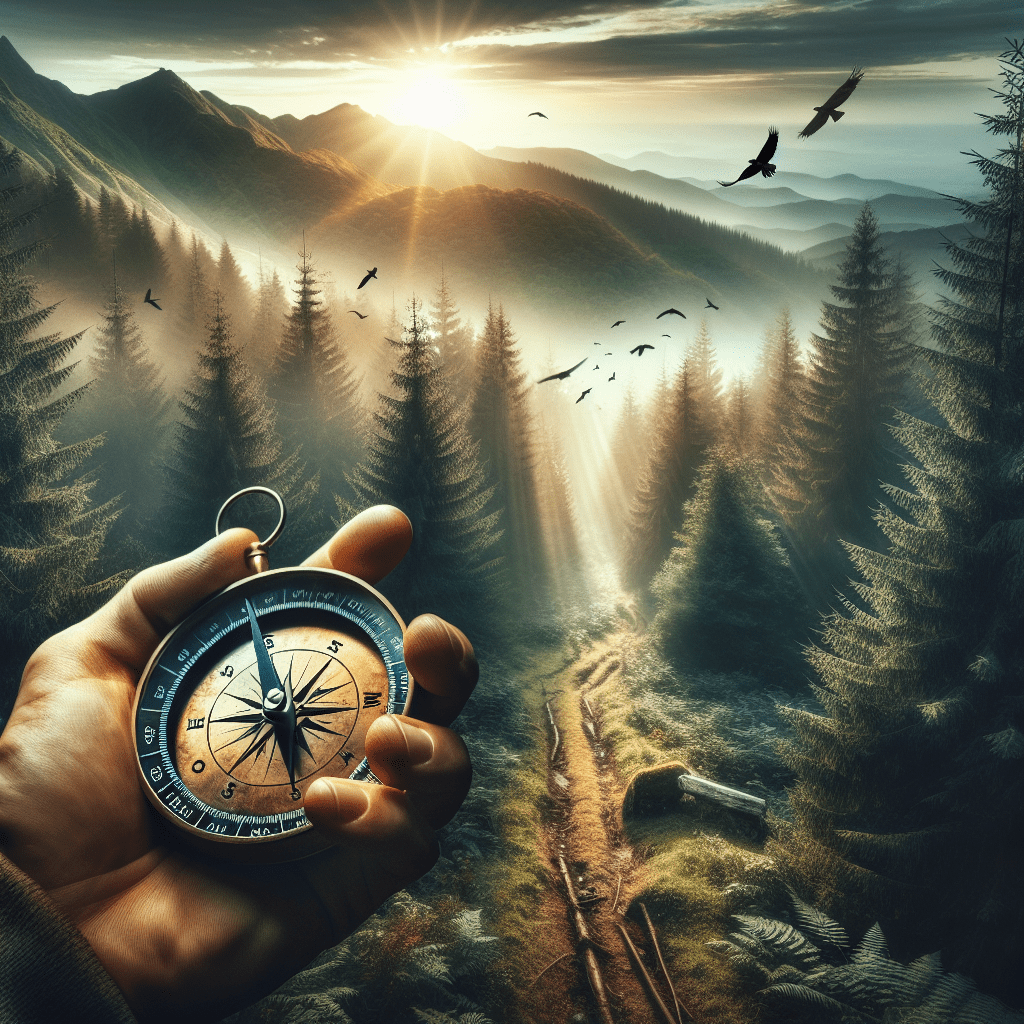
Every outdoor enthusiast understands that the thrill of exploring the wilderness carries its own set of challenges and risks. Mastering the wild, particularly when it comes to effective navigation, is not merely a skill but an essential lifeline. Whether you’re hiking through dense forests, scaling mountains, or wandering expansive deserts, the ability to navigate accurately can mean the difference between an adventure of a lifetime and a harrowing experience. In this comprehensive guide, we will explore essential skills for wilderness navigation, enriched with personal anecdotes and actionable tips that will inspire you to embrace the wild with confidence.
Understanding Wilderness Navigation
What is Wilderness Navigation?
Wilderness navigation encompasses the techniques and tools used to find your way in the great outdoors. It integrates various methods, including map reading, compass use, and GPS technology, aiming to help adventurers maintain their bearings and make informed decisions in the wild.
Why is Wilderness Navigation Crucial?
Imagine you’re on a solo hike, surrounded by towering trees and the distant sound of a flowing river. Suddenly, thick fog rolls in, obscuring familiar landmarks. Without navigation skills, even seasoned hikers can find themselves disoriented. Mastering wilderness navigation ensures you can safely traverse unknown terrain, avoid getting lost, and respond effectively in emergencies.
Essential Skills for Navigating the Wilderness
Reading Topographic Maps
Topographic maps are essential for understanding the terrain you’ll be navigating. Here’s how to become proficient in their use:
-
Understand Key Features: Topographic maps provide detailed information about elevation, landforms, and vegetation. Pay attention to contour lines—the closer together they are, the steeper the terrain.
-
Practice with Real Maps: Before your next trip, familiarize yourself with different topographic maps. Let’s take my first solo hike in the Rockies as an example. I spread my map across a picnic table and traced my intended route, highlighting landmarks like streams and peaks. This preparatory step made all the difference when I hit the trails.
-
Practice Map Reading Skills: In real time, identify your location using landmarks. Doing this not only builds confidence but also enhances your ability to recognize features on the map.
Mastering Compass Use
A compass is a timeless tool for navigation. Here’s how to become proficient in its use:
-
Know the Parts of a Compass: Familiarize yourself with the base plate, rotating bezel, and direction of travel arrow. Each plays a pivotal role in accurate navigation.
-
Declination Adjustment: Understand the concept of magnetic declination—the difference between magnetic north and true north. Adjust your compass accordingly to ensure precision.
-
Anecdote of a Misadventure: On a foggy day in the Adirondacks, my group relied solely on our compass. We neglected to account for declination, leading us an unexpected half-mile off course. Thankfully, we learned to respect the compass and double-check our adjustments, ensuring a better experience on future hikes.
Digital Tools and GPS
In our tech-savvy world, combining traditional navigation tools with modern technology is essential. Here’s how to effectively use GPS and mobile applications:
-
Select the Right Apps: Choose GPS apps like Gaia GPS or AllTrails, which allow you to download maps and track your route offline. Testing them on easier trails helps build familiarity before tackling more challenging terrains.
-
Battery Management: Always carry a portable charger. On a trip through the Pacific Northwest, I learned this lesson the hard way when my phone died mid-hike. Now, power management is part of my pre-hike checklist.
-
Integrate with Traditional Methods: Use GPS to supplement your map and compass skills, not replace them. Trusting solely in technology can lead to disorientation if signals fail.
Identifying Natural Landmarks
Natural landmarks provide critical reference points in wilderness navigation. Developing the ability to recognize them can enhance your navigation skills significantly.
-
Familiarization with the Terrain: Study the local flora, rock formations, and other geographical features of your hiking area. This knowledge will help you better orient yourself.
-
Anecdotal Learning: On one memorable hike in the Smoky Mountains, I stumbled upon a unique rock formation that had been marked on my map. This landmark not only boosted my confidence but also provided the reassurance I needed when clouds rolled in.
Situational Awareness and Decision-Making
Effective navigation isn’t just about tools; it’s also about awareness and decision-making. Here’s how to cultivate these skills:
-
Stay Mindful of Your Surroundings: Continuously evaluate your environment for changes. Weather can shift, trails may diverge, and new obstacles may emerge.
-
Anecdote of Crisis: I once underestimated a storm rolling into the White Mountains. My group had to make aquick decision to find shelter. If not for my navigation skills and awareness, we might have faced a dangerous situation while lost.
-
Practice Critical Thinking: When faced with a dilemma—such as choosing between two trails—analyze your map and compass metrics. Always choose the route that aligns with your planned destination and safety.
Wrap-Up / Key Takeaways
Mastering the wild isn’t merely about surviving; it’s about thriving in the great outdoors. Wilderness navigation is an essential skill that requires practice, patience, and a deep respect for nature. By honing your ability to read maps, use a compass, integrate technology, identify landmarks, and maintain situational awareness, you will not only enhance your outdoor adventures but also ensure your safety. Remember, the wild is always ready for exploration—are you prepared to master it?
Reader Questions Answered
What gear do I need for wilderness navigation?
For effective wilderness navigation, it’s essential to have a topographic map, compass, GPS device, and a power source for electronic devices. Additional gear such as a multi-tool and a first aid kit can enhance your safety and preparedness.
How can I improve my navigation skills?
Improvement comes through practice and experience. Start with easier hikes while focusing on reading maps and using a compass. Consider taking a wilderness navigation course to strengthen your skills.
What should I do if I get lost?
Stay calm and assess your situation. Use your map and compass to try to determine your location. If you can’t find your way, retrace your steps, or find a safe area to wait if necessary. Always prioritize safety over speed in such scenarios.
FAQs
What is the most important navigation tool?
While a compass and map are crucial, the best navigation tool is your understanding of how to use them. Familiarity with both enhances your overall navigation experience.
Do I need to know how to navigate without GPS?
Yes, knowing how to navigate without GPS is critical. Technology can fail, and having traditional navigation skills ensures you are prepared for any situation.
How often should I practice my navigation skills?
Regular practice is key in wilderness navigation. Aim for at least once a month or before tackling significant hikes, incorporating both map reading and compass skills.
By mastering these essential skills, you’ll be ready to explore the wilderness with confidence and enjoy the adventure that nature has to offer. Happy navigating!