

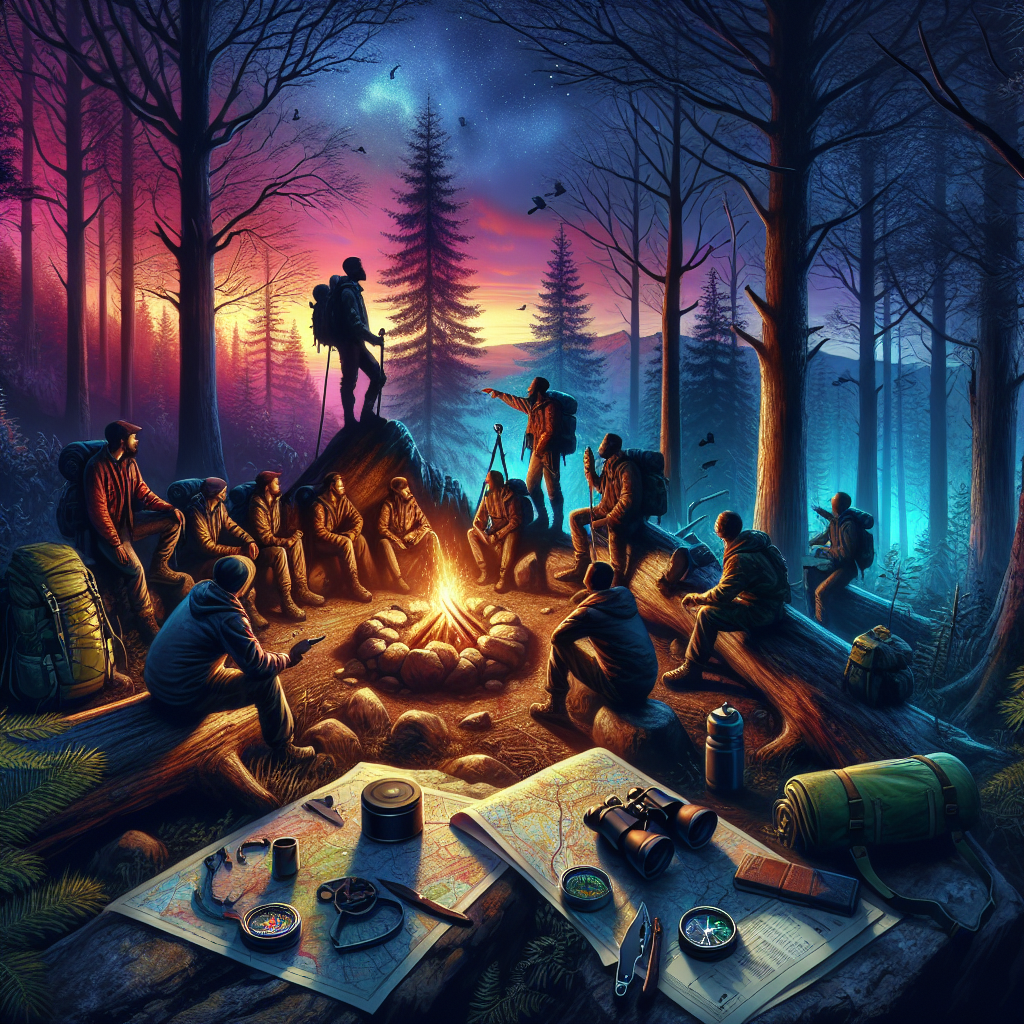

When it comes to exploring the great outdoors, knowing how to navigate your way through unknown terrain can make the difference between an unforgettable adventure and a nightmare scenario. Mastering the wilderness requires not just an adventurous spirit but also essential navigation skills that ensure you find your way safely and confidently. In this post, we’ll embark on a journey through various navigation techniques, share relatable anecdotes, and equip you with the knowledge you need to traverse the wild.
The importance of navigation skills cannot be overstated. Imagine standing at the edge of a dense forest, the smell of pine in the air, but you have no idea which path to take. Mastering the wilderness means you won’t just have to rely on guesswork or luck; you’ll be fully prepared, equipped with tools and strategies that will help you navigate back home safely.
Understanding Basic Navigation Skills
Why Navigation Skills Matter
Mastering navigation is like weaving a safety net beneath your adventurous pursuits. You might remember a time when you lost your way, or perhaps you’ve seen someone else struggle. The truth is, even seasoned hikers can misplace their bearings. Having a solid foundation in navigation can prevent a small misstep from becoming a serious situation.
Essential Tools for Navigation
What to Pack for Navigation
Equipping yourself with the right tools is crucial for mastering the wilderness. Here are some essential items you should always have:
-
Map and Compass: Always carry a physical map of the area you are exploring and a reliable compass. Even in the digital age, technology can fail; the classics often hold the key.
-
GPS Device or App: A GPS can serve as a backup. Make sure to download offline maps beforehand in case you lose cell service.
-
Altimeter and Barometer: These devices can provide vital information about elevation changes and weather conditions.
-
Notepad and Pencil: Jotting down waypoints or notable landmarks can help you retrace your steps if necessary.
The Basics of Using a Map and Compass
How to Read a Topographic Map
Understanding how to read a map is the first step to mastering the wilderness. A year ago, I found myself lost in a canyon after promising my friends a scenic hike. The map showed various elevations, landmarks, and trails; however, it was my lack of familiarity that sent us deep into uncharted territory.
To read a topographic map:
- Look for contour lines; closely spaced lines indicate steep terrain, while widely spaced lines suggest gentle slopes.
- Identify key features like rivers, mountains, and trails.
Utilizing a Compass: A Right-Hand Rule
Mastering Compass Navigation
Using a compass is crucial for understanding direction. It’s not sufficient to merely have one; knowing how to use it is essential. During a solo trip last spring, I used the right-hand rule to navigate my way through a foggy situation where my GPS wasn’t responding. Here’s how it works:
- Hold the compass flat in your hand.
- Rotate the compass housing until the orienting arrow aligns with the magnetic needle, which points north.
- Follow the direction of travel arrow to get to your destination.
Advanced Navigation Techniques
Recognizing Landmarks and Terrain Features
Importance of Natural Navigation
Sometimes, the most reliable navigation aids are the features around you. When I was lost in the wilderness, I learned the hard way how to recognize natural landmarks. Mountains, rivers, and even the sun can guide your path.
For instance, if the sun is rising on your left in the morning, you are likely heading north. Pay attention to the stars at night too; finding Polaris can help establish the north starward.
Orienteering Skills: Following a Course
What is Orienteering?
Orienteering is an exciting outdoor activity that combines navigation with a competitive edge. If you’re looking to take your navigation skills to the next level, consider trying orienteering. Equip yourself with a compass and a detailed map, then follow a predefined course to locate multiple checkpoints.
With a friend, I participated in an orienteering event where we had to navigate through dense woods and rocky terrain. The adrenaline rush of finding each checkpoint made every misstep a lesson in resilience, each triumph an exhilarating memory.
Safety Measures and Common Mistakes
Avoiding Navigation Errors
Common Mistakes to Steer Clear Of
Even the most seasoned adventurers can make navigation mistakes. From my travels, I’ve learned a few hard lessons:
-
Not Checking Your Gear: Always check your navigation tools before setting off. On one trip, I forgot to calibrate my compass, leading to disorientation.
-
Over-Reliance on Technology: Sometimes, GPS apps can lead you down trails that don’t exist. Always have a backup plan, which includes a physical map and compass.
The Importance of Backup Plans
Always Have a Plan B
A few months back, I ventured into an unfamiliar national park. Halfway through my hike, my GPS battery ran out. Luckily, I had retraced my steps on paper, which guided me back to safety. Always have a backup plan; it could be the difference between comfort and panic.
Wrap-Up / Key Takeaways
Mastering the wilderness requires dedication and preparation. Essential navigation skills—like understanding maps, using a compass, and recognizing natural landmarks—will empower you to explore the great outdoors with confidence. Whether it’s through landmark recognition or engaging in orienteering, taking the time to hone these skills will ensure your adventures are safe and enjoyable.
As you gear up for your next outdoor endeavor, remember: preparation is your best ally. Embrace the freedom that comes with navigating the wild, and let your adventures take flight!
Reader Questions Answered
What should I prioritize when learning navigation skills?
Start with basic map reading and compass usage. Familiarize yourself with your local trails and always practice in safe environments before heading into the wild.
Can I rely solely on my GPS for navigation?
While GPS devices are useful, they can fail due to battery issues, loss of signal, or software glitches. Always carry a backup map and compass as reliable alternatives.
How can I improve my navigation skills?
Practice regularly by taking on new terrains and engaging in activities like orienteering or hiking in unfamiliar places. Experiment with both traditional and digital tools to enhance your proficiency.
FAQs
What’s the best way to learn mapping skills?
Take navigation courses, join local hiking clubs, or participate in workshops that focus on map reading and compass skills.
Can weather conditions affect my navigation?
Absolutely. Mist, fog, or heavy rain can obscure landmarks and affect your judgment. Always check the forecast and plan accordingly.
Is it necessary to practice navigation skills often?
Yes! Regular practice is essential for retention. Just like any other skill, the more you practice, the more confident you’ll become.
Mastering the wilderness is about more than just capability; it’s about fostering a connection with the environment and embracing the outdoors with both excitement and respect. Adventure awaits—now go take the first step into the wild!