


New Legislative Measure Aims to Protect Critical Riparian Ecosystems Across the State
Drought, Development, and Conservation: A Call to Action for Our Natural Resources
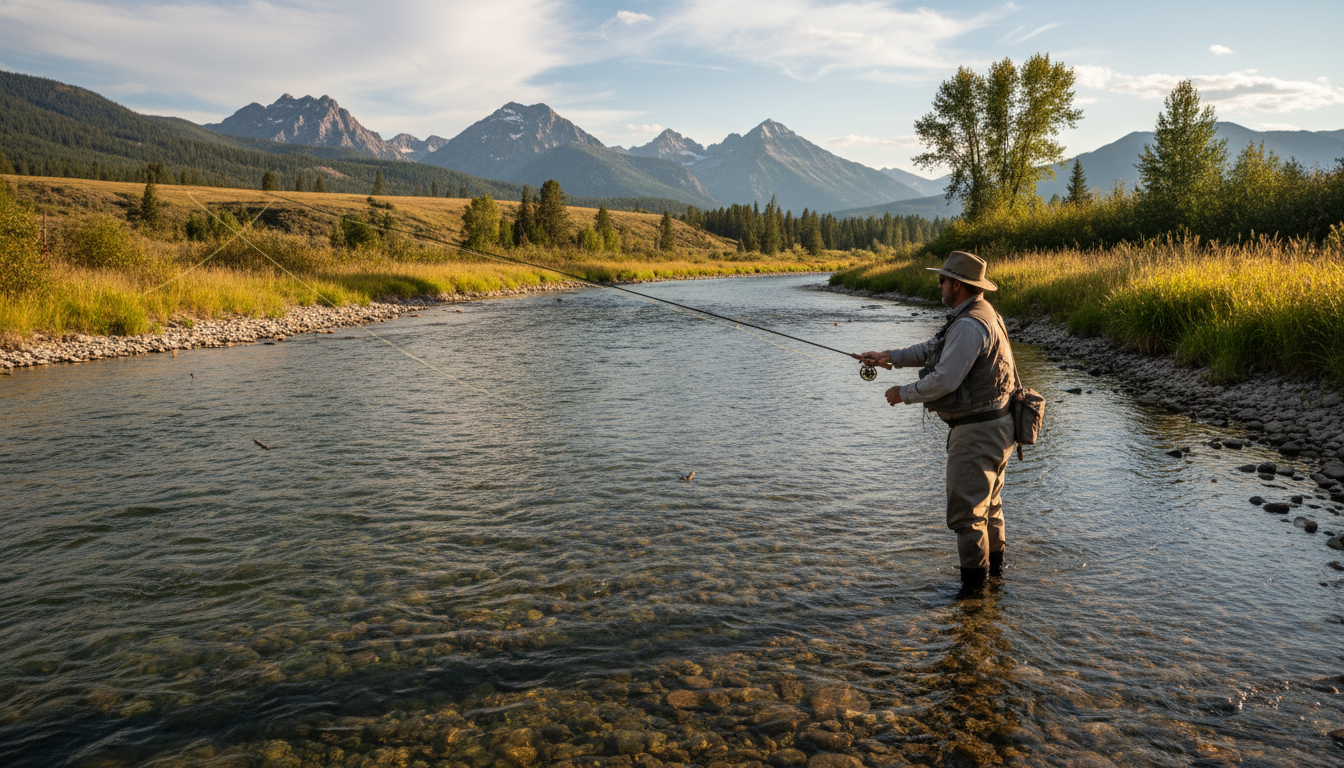
As the sun rises over the dappled landscape of our state’s cherished riparian corridors, conservationists, hunters, and outdoor enthusiasts hold their breath in anticipation of a recent legislative measure poised to reshape the landscape of wildlife management and resource conservation. This initiative, designed to safeguard vital ecosystems in the face of increasing drought and unchecked development, promises both challenges and opportunities for future generations.
Deep Dive Analysis: The New Legislation’s Implications
The newly introduced bill, which seeks to allocate funding for the restoration and preservation of riparian ecosystems, has ignited discussions among stakeholders including conservation advocates, local governments, and outdoor recreation enthusiasts. As water sources diminish and habitat fragmentation intensifies, these healthy ecosystems are crucial not only for maintaining biodiversity but also for sustaining the recreational opportunities that many outdoor enthusiasts rely upon.
-
Funding Allocation: The legislation proposes a $5 million allocation aimed specifically at habitat restoration projects. This funding is intended to enhance water quality, stabilize banks against erosion, and bolster wildlife populations that depend on these rich habitats.
-
Collaborative Efforts: A crucial aspect of the bill is its call for partnerships between local communities, NGOs, and state agencies. These collaborations are expected to integrate local knowledge and expertise in developing effective conservation strategies.
-
Adaptive Management Framework: Acknowledging the dynamic nature of our ecosystems, the bill encourages adaptive management practices to respond swiftly to the challenges posed by climate change and development pressures.
Why It Matters
This legislation is more than a responsive measure; it’s a transformative strategy for the long-term health of our natural resources. The implications extend beyond wildlife conservation:
-
For Hunters: Enhanced habitats mean better game populations, creating opportunities for responsible hunting that aligns with sustainable practices.
-
For Hikers and Outdoor Enthusiasts: Preserved ecosystems maintain the integrity of trails and ensure that our natural playgrounds remain accessible and vibrant.
-
For Local Economies: Healthy riparian zones support robust fish populations and other wildlife, directly influencing the tourism industry that thrives on outdoor activities.
-
For Conservationists: This bill represents a hopeful commitment to proactive conservation rather than reactive responses to environmental degradation.
Field Insights: Pro-Tips for Engaging with Riparian Ecosystems
As outdoor enthusiasts and advocates, understanding the delicate balance of riparian ecosystems can enhance your appreciation and involvement in conservation efforts:
-
Know the Habitat: Be aware of the flora and fauna endemic to riparian zones. Familiarize yourself with native species, as this knowledge aids in reporting disturbances or engaging in community conservation efforts.
-
Watch for Erosion Signs: Understand the indicators of bank erosion or habitat degradation. Reporting these changes can help conservation authorities prioritize interventions.
-
Participate in Local Initiatives: Engage with local watershed groups or conservation organizations. Hands-on involvement can yield significant improvements in habitat restoration efforts.
-
Stay Informed: Follow legislative updates and community meetings to be vocal about policies affecting local ecosystems. Collective advocacy can greatly influence outcomes.
The introduction of this critical bill signals a pivotal moment for both conservation efforts and our cherished landscapes. By understanding its importance and contributing to the conversation, every outdoor enthusiast has the potential to become a guardian of these vital ecosystems, ensuring that they flourish for future generations.