

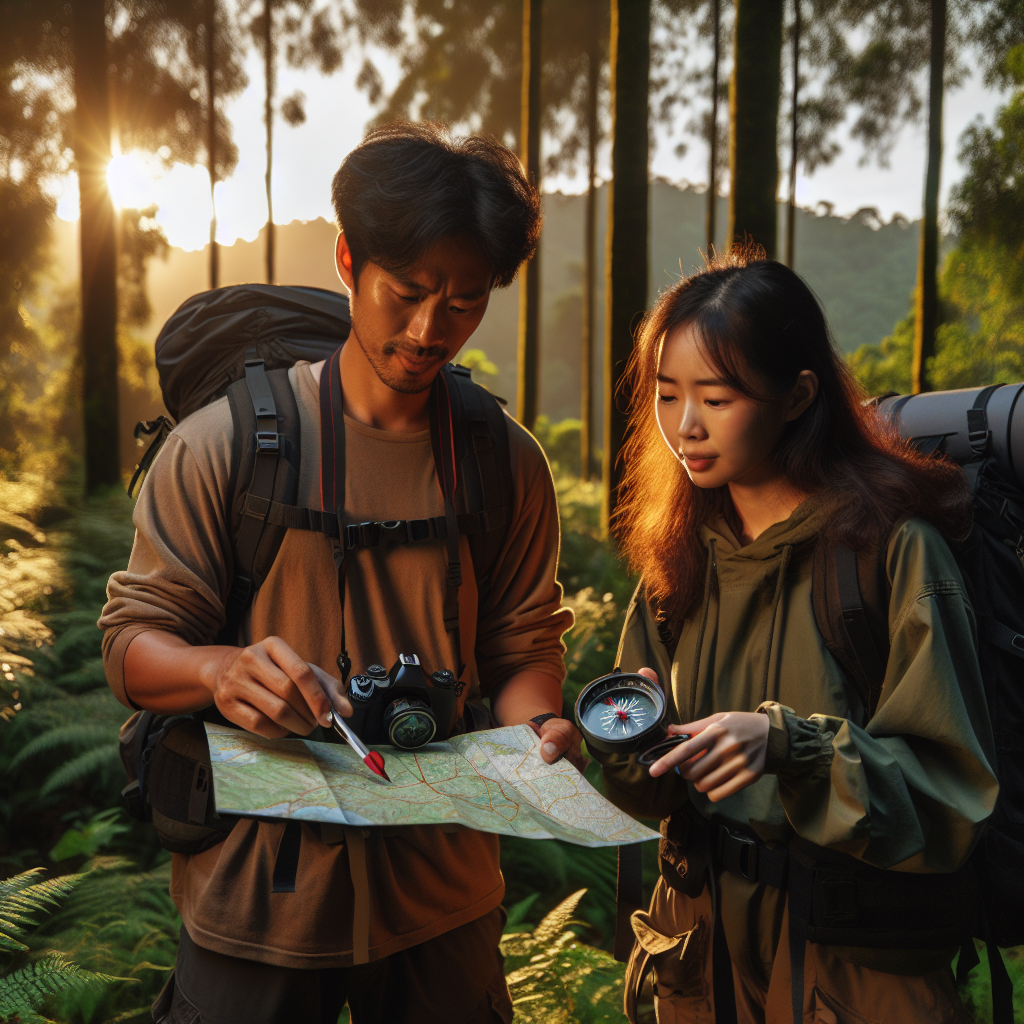

As outdoor enthusiasts, we often dream of conquering vast landscapes and immersing ourselves in nature’s embrace. But before you set off on your next great adventure, mastering the essential outdoor skills is paramount. This guide aims to provide not only the knowledge you need but also engaging anecdotes to illuminate the path ahead. Whether you’re planning a simple day hike or an extended backcountry expedition, these skills will serve you well in navigating the wilderness.
Understanding the Importance of Outdoor Skills
Outdoor skills encompass a wide range of abilities, from navigation and camping techniques to outdoor cooking and first-aid readiness. An essential skill set not only enhances your outdoor experience but also ensures your safety and the safety of those around you.
I recall an early camping trip as a novice, armed with little more than enthusiasm and a cumbersome stack of gear. Navigating in the dense woods proved challenging when we lost track of the trail. After several panicked moments and an hour of wandering, we finally stumbled upon a familiar landmark. This experience solidified the importance of understanding how to navigate not just physically but also mentally. In the wilderness, every decision counts.
Essential Outdoor Skills for Beginners
Learning Navigation Techniques
Navigating the wilderness relies on a combination of tools and techniques:
-
Map and Compass Basics: Knowing how to read a topographic map is crucial for outdoor navigation. Familiarize yourself with the map’s symbols, scale, and contour lines. When I first used a compass, I mistakenly thought I needed to orient the map to the compass. Instead, it’s about aligning the compass to the north on the map while standing at your current location.
-
GPS Devices: In today’s tech-savvy world, GPS devices and smartphone applications can be incredible resources. However, dependency on technology can lead to complacency. There was one instance where my GPS failed during a hike in a remote region. Having a physical map allowed us to redirect our path and safely find our way out.
Packing the Right Gear
Packing can be daunting, especially for beginners. Here’s a simple checklist to ensure you’re prepared:
- Shelter: Tent or tarp, along with stakes and guylines.
- Sleeping Gear: Sleeping bag suitable for the season and a sleep pad for insulation.
- Cooking Equipment: Portable stove, fuel, and cooking utensils.
- Clothing Layers: Base, insulating, and outer layers, along with a rain jacket. A personal lesson learned is that cotton is not your friend when it comes to outdoor gear. During one hike where I wore a cotton shirt, I found myself shivering and damp; a switch to moisture-wicking fabric made all the difference.
Mastering Fire Skills
The ability to create and manage fire is foundational for survival and comfort during outdoor adventures. Here are steps you should follow:
-
Gathering Materials: Start by collecting tinder (dry leaves or grass), kindling (small twigs), and logs for fuel. My first attempt at building a fire ended in frustration when I didn’t have enough dry material. As the sun began to set, we resorted to some ingenious improvisation, using dryer lint from our packs. It worked, but I learned to always check my supplies beforehand!
-
Fire Safety: Always have water or soil nearby to extinguish the fire completely when done. Remember, what seems like a small flame can create a significant hazard in dry conditions.
First Aid Essentials
Understanding basic first aid can be lifesaving. Whether it is a sprained ankle or a cut from a sharp branch, knowing how to respond is crucial:
-
First Aid Kit: Keep a well-stocked first aid kit with supplies specific to your needs. During a multi-day trek, I witnessed a fellow hiker cut their finger while slicing food. Their first aid knowledge made the difference as they expertly bandaged the injury and kept going.
-
Recognizing Symptoms: Learn to identify symptoms of common outdoor-related conditions like hypothermia or heat exhaustion. They can manifest quickly, and being prepared can save lives.
Recognizing Wildlife Safety
Wildlife encounters can be thrilling but also pose risks. Here are best practices to stay safe:
-
Bear Safety: In bear country, knowing how to store food is essential. The first time I camped in grizzly territory, I hung our food in a designated bear bag. This not only kept our food safe but ensured we wouldn’t attract unwanted visitors.
-
Snake Encounters: Learning to identify poisonous snakes is vital. I remember walking through tall grass and seeing what looked like a snake slither away. A quick identification from a guidebook confirmed it was harmless, but it reinforced the need to stay alert.
Wrapping Up: Key Takeaways
To truly enjoy your outdoor experiences, mastering essential outdoor skills is non-negotiable. Learning navigation, packing wisely, mastering fire skills, understanding first aid, and respecting wildlife ensures not only your safety but the enjoyment of your surroundings. Remember, every hike is a blend of planning and improvisation; the stories you gather from these adventures will define your outdoor journey.
Now, as you prepare for that next trip, take these skills to heart. Practice at home, start small, and gain confidence as you venture deeper into nature. Each challenge you face will only add depth to your outdoor narrative.
Reader Questions Answered
1. What is the best way to learn navigation skills?
The best way to learn navigation is through a combination of studying maps, using a compass, and learning about GPS tools. It’s crucial to practice these skills in the field, ideally with a friend who has experience. Starting with short hikes where you can experiment confidently can be beneficial.
2. How can I improve my fire-starting technique?
To improve your fire-starting technique, practice with various tinder materials and practice using different tools like flint, matches, or lighters. Develop a systematic approach—collect materials before lighting the fire—and remember to practice fire safety at all times.
3. What should I include in my first aid kit for outdoor trips?
An outdoor first aid kit should include adhesive bandages, antiseptic wipes, gauze pads, adhesive tape, scissors, pain relievers, and any personal medications you may need. Regularly review the kit before trips to ensure supplies are fully stocked and not expired.
Frequently Asked Questions
What is the best way to stay safe while hiking alone?
To stay safe while hiking alone, inform someone of your planned route, carry a whistle and a map, and avoid risky challenges. Keeping your phone charged and having a portable charger can be lifesaving.
How do I choose the right outdoor gear?
Choose outdoor gear based on your primary activity, level of comfort, and knowledge of the area. Research reviews, visit local outdoor stores for guidance, and carry layers to adapt to changing weather conditions.
What are common mistakes beginners make while camping?
Common mistakes include packing too much gear, underestimating the importance of food and water, and neglecting weather forecasts. Always plan for the unexpected, stay informed, and practice Leave No Trace principles for a responsible outdoor experience.
Embarking on your outdoor journey relies on preparation and knowledge. With the insights from this guide, you’re well-equipped to navigate the wilderness and create countless stories of adventure!