

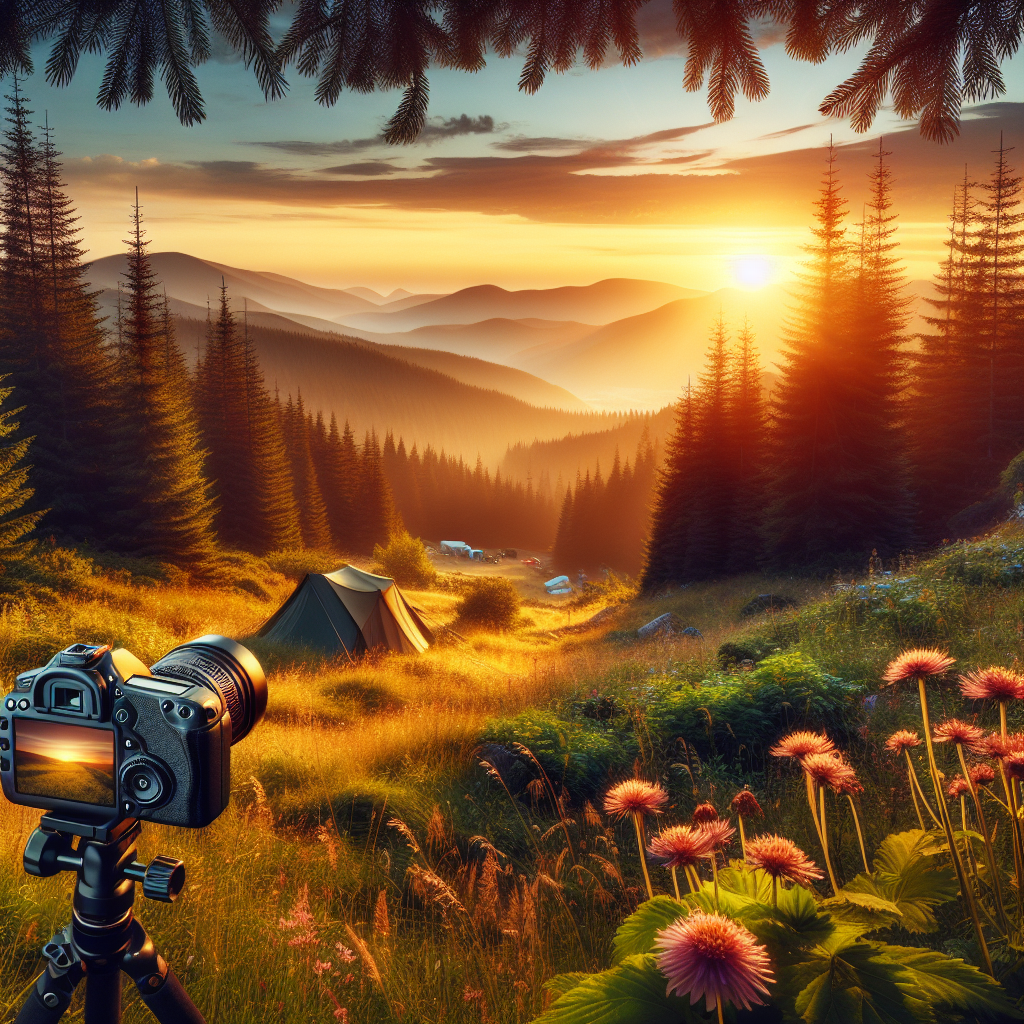

Have you ever been hiking through the wilderness, your heart pounding with adventure, only to stop and think, “How can I possibly capture this moment?” The stunning landscapes, vibrant colors, and unique wildlife are known for being fleeting, yet the memories we create during wilderness camping remain etched in our minds forever. But what if you could immortalize these experiences through photography, allowing you to relive them time and again? Let’s delve into the art of photographing nature and discover essential techniques for capturing breathtaking wilderness camping memories.
Understanding why photographing nature is crucial for any outdoor enthusiast goes beyond just preserving memories. It’s about storytelling—conveying the emotions and awe you experience when venturing into the wild. As you click the shutter, you’re not just taking a photo; you’re sharing your journey, your connection with nature, and the lessons learned along the way. Prepare to embrace the wild through your lens as we embark on this adventure together!
Choosing Your Gear Wisely
When venturing into the wilderness, having the right gear can make or break your photography experience. You don’t need a fancy DSLR to take great photos; a solid point-and-shoot or even a smartphone will suffice. However, it’s essential to understand what you might want for more serious photography.
Essential Camera Gear for Wilderness Camping:
- Camera Body: Whether it’s a DSLR, mirrorless, or a compact camera, choose one that feels comfortable.
- Lenses: A versatile zoom lens (like a 24-70mm) can capture wide landscapes and close-ups. A prime lens offers excellent sharpness and low-light performance.
- Tripod: A sturdy tripod is crucial for stability, especially during low-light conditions like dawn or dusk.
- Filters: Polarizing filters can reduce glare and enhance colors, while neutral density filters allow for longer exposures.
- Waterproof Bag: Protect your gear from the elements with a reliable waterproof bag.
Let me take you back to a summer trip in the Rocky Mountains. I decided to hike to Glacier Lake, carrying a heavy camera backpack filled with my gear. As I reached the summit, I was greeted by a breathtaking expanse of turquoise water surrounded by imposing peaks. It was in that moment I realized my tripod would’ve made all the difference for long-exposure shots of the silky water. Lesson learned: planning your gear according to your destination is key!
Understanding Lighting: The Photographer’s Best Friend
The lighting in nature can drastically change the mood and quality of your photos. The best times for outdoor photography are during the “golden hour”—shortly after sunrise and before sunset—when the light is soft, warm, and perfect for creating atmospheric images.
Tips for Utilizing Natural Light:
- Golden Hour: Aim to shoot within an hour of sunrise and sunset.
- Cloudy Days: Overcast skies act as a giant softbox, diffusing harsh sunlight.
- Backlighting: Position yourself with the sun behind your subject to create a beautiful rim light effect.
During a memorable camping trip in the Adirondacks, I woke up early to catch the sunrise over the vast forest. Armed with my camera, I hurried to a vantage point, feeling a rush of excitement. The soft light bathed the treetops in golden hues, and I managed to capture a series of stunning shots that reflected the tranquil yet vibrant early morning atmosphere. The whole experience reminded me of the importance of patience and preparation—waiting for the right moment often yields the most rewarding results.
Composition Techniques: Framing Your Story
Now that you’ve mastered lighting, let’s talk composition. The way you frame your shot can make a huge difference in how impactful the photograph is. Familiarize yourself with classic photography rules, but don’t be afraid to break them for unique results!
Key Composition Techniques:
- Rule of Thirds: Imagine your frame divided into thirds, both horizontally and vertically. Place your subject along these lines or at the intersections for added interest.
- Leading Lines: Use natural lines in the landscape (like rivers or paths) to draw the viewer’s eye towards your subject.
- Framing: Use elements of nature to frame your subject, such as trees or rock formations, to add depth and focus.
One evening at a remote camping site in Oregon, I spotted a majestic oak tree standing alone against the sunset. Remembering the rule of thirds, I positioned the tree on the left side of my frame, allowing the dazzling colors of the horizon to become the backdrop. The resulting photograph was a perfect blend of nature’s beauty and the tranquil solitude we often seek while camping.
Adjusting Exposure Settings: Achieving the Perfect Shot
Knowing how to adjust your camera settings is vital for achieving the desired result. Understanding exposure will allow you to better capture the essence of wilderness camping.
Essential Exposure Settings to Know:
- ISO: Adjust your ISO based on the light available. Keep it low for bright conditions and raise it for darker settings.
- Aperture: A lower f-stop number (larger aperture) allows more light in, giving a shallow depth of field—great for portraits or isolating subjects. Higher f-stop numbers maintain focus throughout the scene—ideal for landscapes.
- Shutter Speed: Modify this depending on your subject. For still landscapes, a slow shutter speed captures more light, while fast shutter speeds freeze motion, excellent for wildlife photography.
On an exhilarating wildlife spotting expedition, I encountered a family of deer grazing at dusk. With twilight creeping in, I had to adjust my settings rapidly. I raised my ISO and widened my aperture, allowing more light while maintaining a sharp focus on the deer. That night, I captured an ethereal image framed by the colorful underbrush, a reminder of the dynamic nature photography truly embodies.
Post-Processing: The Final Touch
Once you’ve taken your photos, don’t underestimate the power of post-processing. Editing software can enhance your images, making them pop while retaining their authenticity.
Simple Post-Processing Tips:
- Software: Use programs like Adobe Lightroom or Photoshop to adjust exposure, contrast, and saturation.
- Crop Wisely: Use cropping to enhance your composition.
- Local Adjustments: Use selective adjustments to enhance specific areas without affecting the entire image.
After returning home from a magnificent week of wilderness camping, I eagerly edited my photos, trying to evoke the same emotions I felt in the moment. By adjusting the contrast and slightly enhancing the colors, my photos transformed into vibrant memories, each telling a story of my adventure.
Wrap-Up: Take Your Memories to New Heights
The art of photographing nature, particularly while wilderness camping, encompasses a blend of the right gear, lighting, composition, and post-processing techniques. It helps preserve those fleeting moments that are otherwise lost to time. The thrill of adventure is magnified when you can capture stunning images to share with others or reminisce over later.
Get out there, camera in hand, ready to embark on your wild adventures! Whether you’re camping under starlit skies or hiking through verdant trails, each photograph captures a piece of your story. And remember, the beauty of nature is waiting to be immortalized through your lens.
Reader Questions Answered
Q: What camera should I take for wilderness camping?
A: It depends on your comfort level and style. A DSLR or mirrorless camera offers versatility, but a high-quality smartphone can also do the job for everyday photography.
Q: Are there any specific photography techniques for wildlife shots?
A: Methodically approach wildlife, use a zoom lens, and maintain your distance to avoid disturbing them. Patience and timing are critical.
Q: How do I ensure my camera is safe in a wet environment?
A: Use a waterproof camera bag and pack silica gel packets to absorb moisture. Additionally, plastic bags can serve as temporary protection against unexpected weather.
FAQs
Q: What is the golden hour in photography?
A: The golden hour occurs shortly after sunrise and before sunset, providing soft, warm light ideal for photography.
Q: Do I need expensive gear to take great nature photos?
A: No! While quality gear can help, the skills and techniques you use are what will ultimately make your photographs spectacular.
Q: How can I improve my composition skills?
A: Practice using different composition techniques, studying photos you admire, and experimenting with various angles and perspectives.