

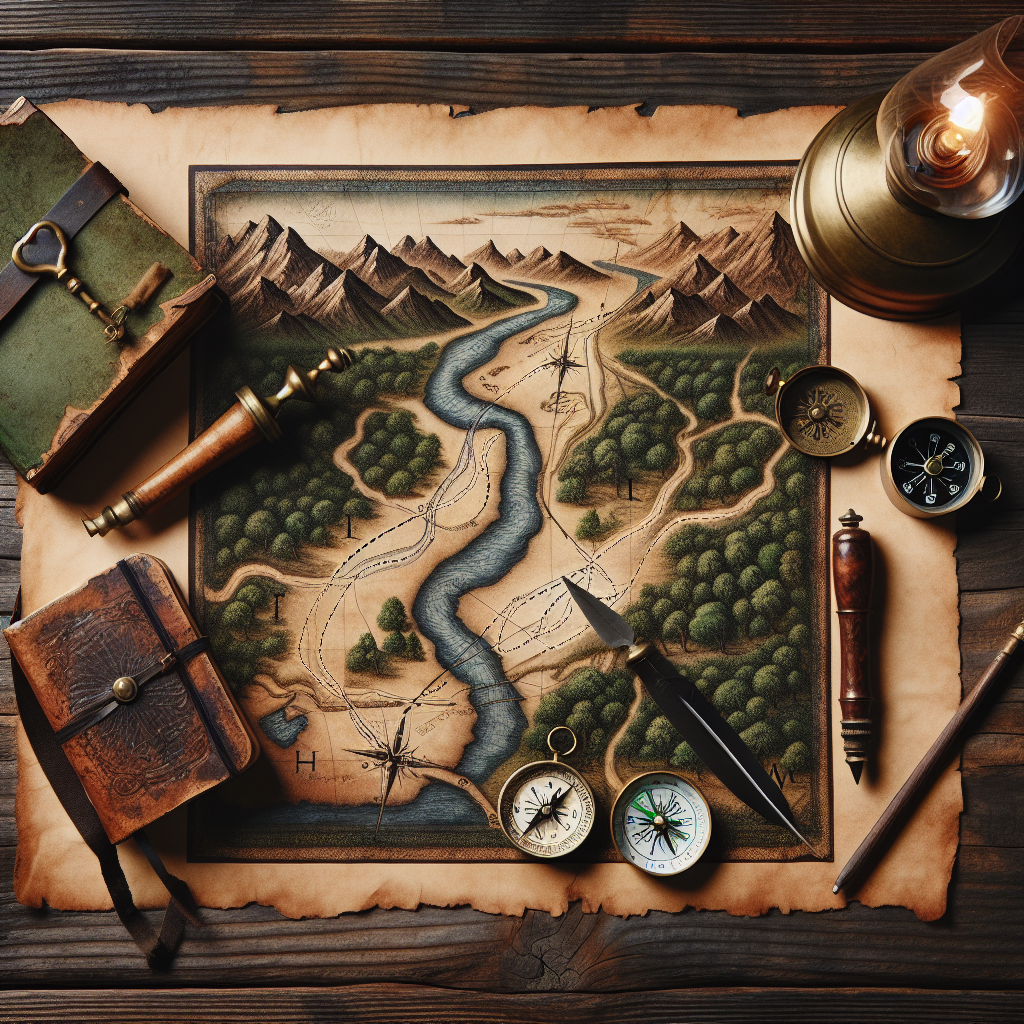

When the thrill of the wild beckons, knowing your way through it becomes paramount. Effective wilderness navigation is not just about getting from point A to point B; it’s about understanding the journey, embracing the surroundings, and ensuring safety in the great outdoors. Whether you’re a rookie adventurer or a seasoned explorer, mastering these navigation strategies will not only enhance your outdoor experience but will also keep you safe. With a mix of educational insights and personal anecdotes, this guide will take you through the essential skills needed for effective wilderness navigation.
The Essentials of Wilderness Navigation
Before we dive deeper, let’s explore what effective wilderness navigation entails. It incorporates a blend of tools, skills, and awareness that allows adventurers to traverse the vastness of nature safely. Being knowledgeable in the use of maps and compasses, GPS systems, and understanding terrain features is essential.
The Importance of Navigation Skills
The first time I went solo backpacking, I felt an exhilarating sense of freedom. That feeling quickly turned to panic when I realized I had taken a wrong turn. Without a solid understanding of navigation, I underestimated the wilderness, leading to a brief but terrifying experience. Effective wilderness navigation isn’t just about having a physical map or a tracking app—it’s about reading the natural signs and having the confidence to trust your navigation skills.
Gear Up: What You Need for Wilderness Navigation
To begin your journey, it’s crucial to equip yourself with the right tools. Here are the essentials for effective navigation:
1. Maps and Compasses
A topographic map is your best friend when venturing into the wilderness. It provides vital information on terrain, elevations, and trails. Pair this with a reliable compass, and you have a classic duo that can guide you through rugged terrains.
When I first used a map and compass, I got lost in the woods for hours. Instead of relying solely on my sense of direction, I learned to take bearings and backtrack when necessary. This experience taught me the value of not just carrying tools but knowing how to use them effectively.
2. GPS Devices and Apps
In our tech-savvy world, GPS devices have become indispensable. Modern apps provide real-time tracking and detailed maps. However, technology can sometimes fail, whether from low battery or poor reception in dense forests.
On a camping trip last summer, my GPS app led me to a beautiful, undiscovered lake. But what I didn’t realize was that the app was also incorrect about the trail to the lake. Luckily, I had my compass and map as backups. This double-checking saved me from a potential disaster, highlighting the importance of not solely relying on technology.
3. Other Essential Tools
- Altimeter: Useful for tracking elevation changes.
- Pencil/Notebook: To jot down notes and landmarks.
- First Aid Kit: Always a safety must.
Understanding Terrain
Navigating through varied terrains requires understanding the lay of the land. Each landscape presents its own set of challenges and opportunities.
Recognizing Landmarks
When navigating, key landmarks—like distinctive mountains, rivers, or valleys—serve as invaluable guides. But how do you identify them?
Tips for Recognizing Landmarks
- Use Your Map: Identify prominent peaks or lakes and compare them with your surroundings.
- Look for Unique Features: Natural formations, like large boulders or twisted trees, can serve as excellent waypoints.
During one memorable hike in the Rockies, I relied heavily on a unique red rock formation visible from miles away. When I strayed from the trail, I was able to regain my bearings by heading toward that unmistakable landmark, emphasizing the importance of using natural features for navigation.
Understanding Natural Signs
Nature can guide you if you know what to look for. Weather patterns, sunlight, and even wildlife movement can offer clues for navigating your surroundings.
The Role of the Sun
The sun is a powerful navigation tool. Knowing that it rises in the east and sets in the west can help you orient yourself throughout the day.
A friend once mentioned an experience where they got caught in a fog, obscuring their visibility. Using the sun’s position, they were able to make educated guesses about their route despite the limited sight, reinforcing how essential understanding natural signs can be.
Planning Your Journey
Preparation is key to successful wilderness navigation. Before setting out, plan your route thoroughly.
Route Planning
Use your map to chart a course that suits your skill level and time constraints. Don’t shy away from adjusting your route based on the terrain or weather conditions.
Tips for Efficient Route Planning
- Study the Map: Chart both your primary and alternative routes.
- Assess Difficulty: Take note of elevation changes and potential hazards.
- Communication: If hiking with a group, ensure everyone is on the same page regarding the plan.
Before my trip to the Appalachian Trail, I sat with friends and meticulously plotted our route. When we faced unforeseen weather and had to adjust our plans, our preparation allowed us to stay on course without losing morale.
Packing for Navigation Success
Beyond the baseline tools, it’s crucial to pack wisely for effective navigation. Knowledge is great, but having the right gear in your backpack can make all the difference.
Consider including:
- Extra Map Copies: In case you lose one.
- Multi-tool: For various needs.
- Portable Charger: To keep devices powered.
- Emergency Supplies: In case the unexpected arises.
Common Navigation Mistakes and How to Avoid Them
Even seasoned navigators make mistakes. Acknowledging these pitfalls can save you time—and quite possibly ensure your safety.
Over-Reliance on Technology
As mentioned previously, while GPS devices can be reliable, they can also fail. Always have a backup.
Neglecting to Check Weather Conditions
Weather drastically affects navigation and terrain conditions. A sunny day can quickly turn into a storm.
Not Updating Your Skills
Navigation is a skill that can always be refined. Take time to take classes, practice with experienced navigators, or explore different environments.
During my early backpacking days, I often neglected to check the weather, leading to unexpected efforts against heavy rain. Gaining knowledge and updating my navigation skills proved to be a game-changer.
Wrap-Up: Key Takeaways
Planning your path in the wilderness is an adventure in itself. By arming yourself with knowledge and the right tools, you can confidently navigate any outdoor terrain. Remember that effective wilderness navigation combines preparation, understanding natural signs, and practical navigation skills.
Now, go out, explore, and practice your navigation skills. The wilderness is waiting!
Reader Questions Answered
Q: What if I get lost, despite being prepared?
A: Panic can cloud your judgment. Stay calm, retrace your steps to the last known location, and use your tools to assess your surroundings.
Q: How do I practice my navigation skills?
A: Start in familiar areas. Use only a map and compass for simple hikes, gradually increasing your complexity as your confidence grows.
Q: Can I rely solely on GPS for navigation?
A: It’s best not to. GPS can fail. Always have a map and compass as backups.
FAQs
Q: What are the best maps for wilderness navigation?
A: Topographic maps are ideal, as they show elevation changes and terrain details.
Q: Do I need to take a navigation course?
A: While not mandatory, courses can equip you with skills that are invaluable for safe navigation.
Q: How often should I practice my navigation skills?
A: Regular practice is key; aim for at least one practice navigation hike every few months.
Embrace the wild, hone your skills, and embark on the adventure of a lifetime, knowing you have what it takes to chart your course. Safe travels!