


**
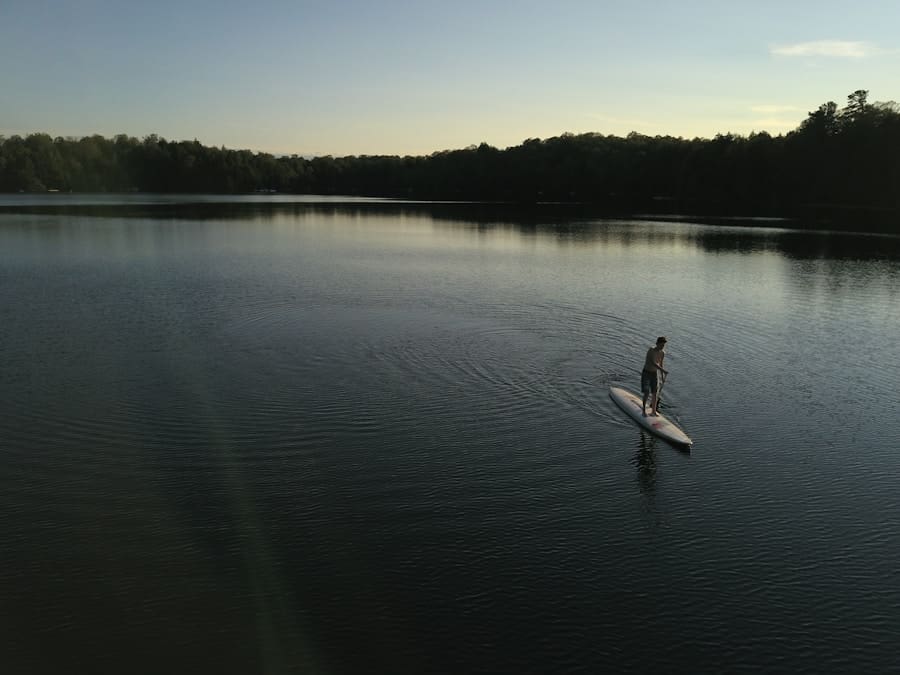
Paddleboarding, a sport that has surged in popularity over the past decade, offers a unique blend of adventure and tranquility. For those new to the water, understanding the fundamentals is crucial. At its core, paddleboarding involves standing on a large board while using a paddle to propel oneself across the water.
This activity can be enjoyed on various bodies of water, including lakes, rivers, and oceans, making it accessible to a wide range of enthusiasts. Beginners should familiarize themselves with the different types of paddleboards available. The two primary categories are all-around boards and touring boards.
All-around boards are versatile and suitable for various conditions, while touring boards are designed for longer distances and offer better speed and stability. Understanding these distinctions can help newcomers select the right board for their intended use, ensuring a more enjoyable experience on the water. ** I always make sure to have proper safety equipment, such as life jackets, when going out on the water.
Key Takeaways
- Understanding the basics of paddleboarding is essential for beginners, including learning about the equipment, techniques, and safety measures.
- Choosing the right gear, such as the perfect paddleboard and paddle, is crucial for a successful and enjoyable paddleboarding experience.
- Learning the techniques of paddling and balancing is key to mastering the art of paddleboarding and feeling confident on the water.
- Safety should always come first, and essential tips for staying safe on the water, including wearing a leash and a personal flotation device, should be followed at all times.
- Exploring different locations and finding the best spots for paddleboarding can add variety and excitement to the experience, whether it’s on a calm lake or in the ocean.
Choosing the Right Gear: Picking the Perfect Paddleboard and Paddle**
Selecting the right gear is essential for a successful paddleboarding experience. When it comes to choosing a paddleboard, factors such as size, shape, and material play a significant role in performance. For instance, wider boards provide greater stability, making them ideal for beginners, while narrower boards are faster and more efficient for experienced paddlers.
In addition to the board, the paddle is another critical component. Paddles come in various lengths and materials, with adjustable paddles being a popular choice for those who may share their gear with others. A general rule of thumb is to choose a paddle that is about 6-8 inches taller than the paddler.
This ensures optimal performance and comfort while paddling. – **Key considerations when choosing gear:**
– Board type: All-around vs. touring
– Board size: Width and length for stability
– Paddle length: 6-8 inches taller than the paddler
– Material: Lightweight options for ease of use **
Learning the Techniques: Mastering the Art of Paddling and Balancing**
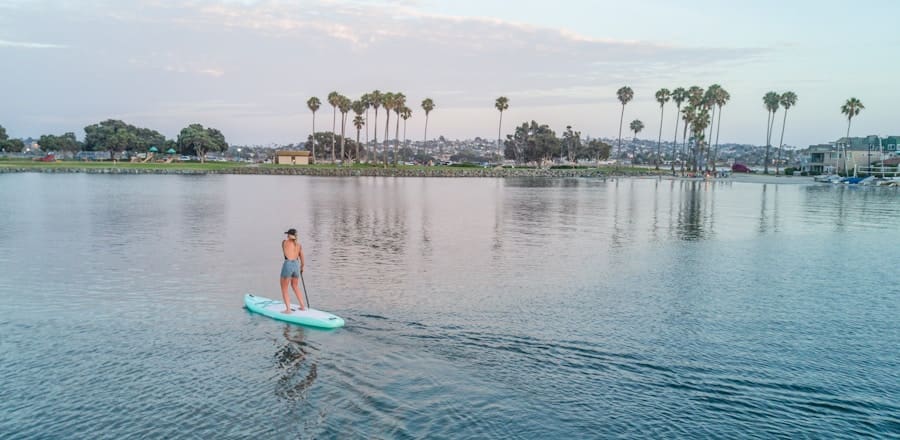
Once equipped with the right gear, aspiring paddleboarders must learn essential techniques to enhance their experience on the water. Balancing on a paddleboard can be challenging at first, but with practice, it becomes second nature. Beginners should start by kneeling on the board before transitioning to a standing position.
This gradual approach helps build confidence and stability. Paddling techniques also play a vital role in efficiency and control. The basic stroke involves placing the paddle in the water at an angle, pulling it back alongside the board, and then lifting it out of the water at the hip.
Practicing this motion repeatedly will help develop muscle memory and improve overall paddling performance. – **Tips for mastering paddling techniques:**
– Start kneeling before standing
– Focus on maintaining a low center of gravity
– Practice proper stroke mechanics for efficiency
– Use your core muscles for better balance **
Safety First: Essential Tips for Staying Safe on the Water**
Safety should always be a top priority when paddleboarding. Before heading out, it is crucial to check weather conditions and water currents. Strong winds or choppy waters can pose significant risks, especially for beginners.
Additionally, wearing a personal flotation device (PFD) is highly recommended, as it provides an extra layer of safety in case of an unexpected fall. Another important safety measure is to inform someone about your plans before heading out on the water. This ensures that someone is aware of your location and can alert authorities if necessary.
Furthermore, it’s wise to carry a whistle or other signaling device to call for help if needed. – **Essential safety tips:**
– Always wear a personal flotation device (PFD)
– Check weather conditions before heading out
– Inform someone about your plans
– Carry a signaling device for emergencies **
Exploring Different Locations: Finding the Best Spots for Paddleboarding**
One of the most exciting aspects of paddleboarding is exploring diverse locations. From serene lakes to bustling coastal areas, each environment offers unique experiences. Beginners may find calm lakes or slow-moving rivers ideal for practice, while more experienced paddlers might seek out ocean waves or challenging river rapids.
Researching local paddleboarding spots can enhance one’s experience significantly. Many communities have dedicated paddleboarding clubs or rental shops that can provide valuable insights into the best locations based on skill level and preferences. Online forums and social media groups also serve as excellent resources for discovering hidden gems.
– **Top locations to consider:**
– Calm lakes for beginners
– Scenic rivers for leisurely paddling
– Coastal areas for more experienced paddlers
– Local clubs or rental shops for recommendations **
Paddleboarding Fitness: How to Get a Great Workout on the Water**
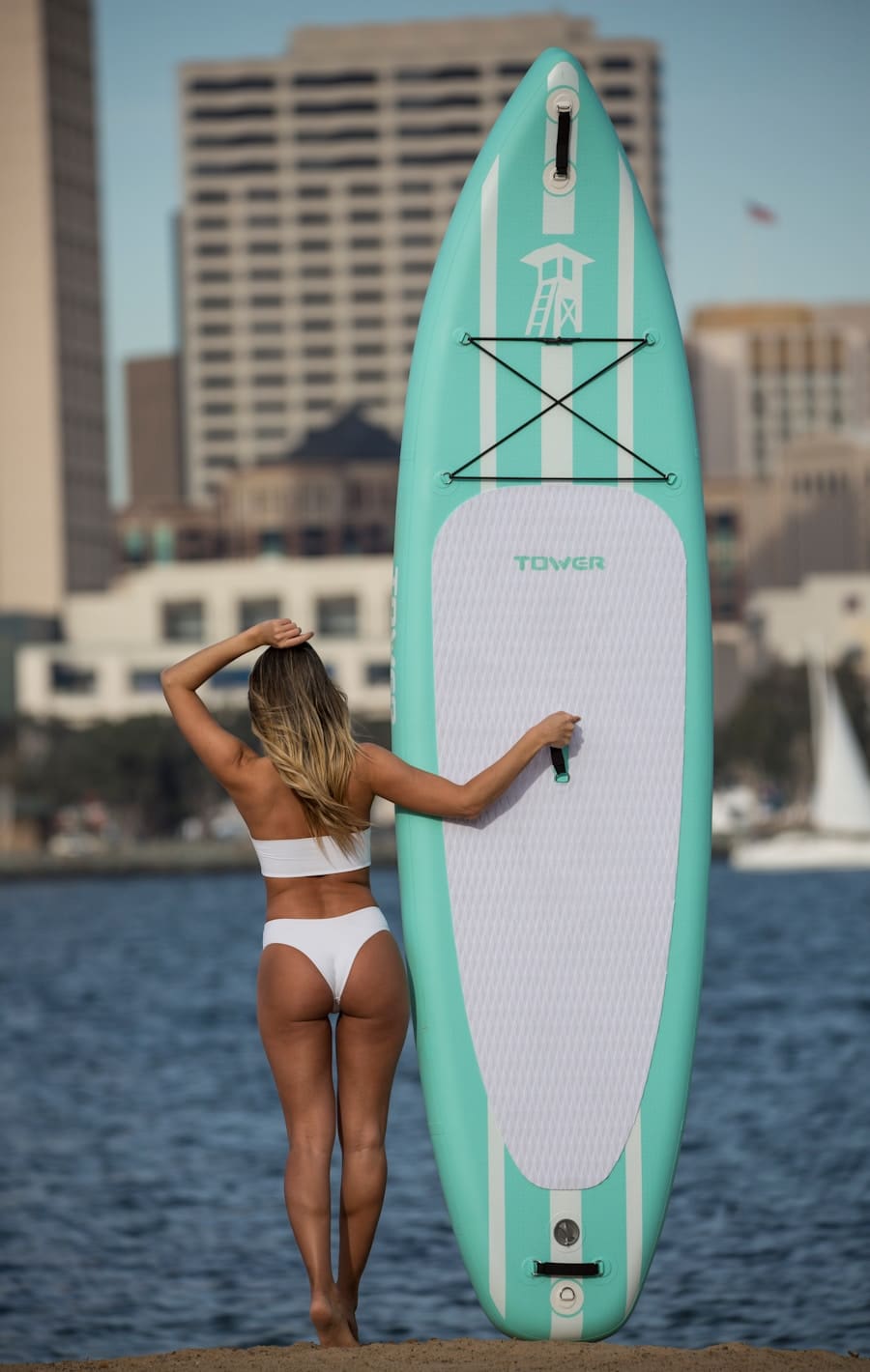
Paddleboarding is not only an enjoyable pastime but also an excellent way to stay fit. Engaging multiple muscle groups, this activity provides a full-body workout that enhances strength, balance, and endurance. The core muscles are particularly engaged during paddling, as they help maintain stability on the board.
For those looking to maximize their fitness routine, incorporating interval training while paddleboarding can be highly effective. Alternating between periods of intense paddling and slower recovery strokes can elevate heart rates and improve cardiovascular fitness. Additionally, practicing yoga or stretching on the board can enhance flexibility and mindfulness.
– **Benefits of paddleboarding for fitness:**
– Full-body workout engaging multiple muscle groups
– Core strength development for better balance
– Interval training for improved cardiovascular fitness
– Yoga practice on the board for flexibility **
Overcoming Challenges: Dealing with Wind, Waves, and Other Obstacles**
While paddleboarding can be exhilarating, it also presents challenges such as wind and waves that can disrupt even seasoned paddlers. Understanding how to navigate these obstacles is essential for a safe and enjoyable experience. For instance, when facing strong winds, paddlers should angle their boards into the wind to maintain control.
Waves can also pose difficulties, particularly in ocean environments. Paddlers should learn how to ride waves by positioning themselves correctly and using their paddles effectively to steer through swells. Practicing these techniques in calmer conditions can build confidence before tackling more challenging environments.
– **Strategies for overcoming challenges:**
– Angle your board into the wind for better control
– Learn to ride waves by positioning correctly
– Practice techniques in calm conditions before facing challenges
– Stay aware of surroundings to anticipate changes in conditions **
Joining the Paddleboarding Community: Connecting with Other Enthusiasts and Groups**
Engaging with the paddleboarding community can significantly enhance one’s experience in this sport. Connecting with fellow enthusiasts provides opportunities for learning, sharing experiences, and discovering new locations. Many cities have local clubs or groups that organize regular outings, making it easy for newcomers to meet others who share their passion.
Social media platforms also serve as valuable tools for connecting with other paddleboarders. Online forums allow individuals to ask questions, share tips, and even arrange meet-ups for group paddling sessions. Participating in community events or competitions can further deepen one’s involvement in the sport while fostering friendships along the way.
– **Ways to connect with the paddleboarding community:**
– Join local clubs or groups for organized outings
– Utilize social media platforms for networking
– Participate in community events or competitions
– Share experiences and tips through online forums In conclusion, paddleboarding offers an enriching experience that combines adventure with fitness and community engagement. By understanding the basics, selecting appropriate gear, mastering techniques, prioritizing safety, exploring diverse locations, maximizing fitness benefits, overcoming challenges, and connecting with fellow enthusiasts, individuals can fully embrace this rewarding sport. Whether you are just starting or looking to refine your skills, there is always something new to learn on the water.
So grab your paddleboard and embark on your next adventure today!
If you’re interested in learning more about outdoor activities like paddleboarding, be sure to check out the latest articles on Outdoor Newspaper. This online publication offers a wealth of information on all things related to outdoor adventures, from gear reviews to travel tips. Whether you’re a seasoned pro or just starting out, Outdoor Newspaper has something for everyone. Be sure to sign up for their newsletter here to stay up to date on the latest news and updates.
FAQs
What is paddleboarding?
Paddleboarding is a water sport where participants stand on a large board and use a paddle to propel themselves through the water. It can be done on calm lakes, rivers, or even in the ocean.
What are the benefits of paddleboarding?
Paddleboarding provides a full-body workout, improves balance and core strength, and allows participants to enjoy nature and the outdoors. It is also a low-impact exercise, making it suitable for people of all ages and fitness levels.
What equipment do I need for paddleboarding?
To get started with paddleboarding, you will need a paddleboard, a paddle, a personal flotation device (PFD), and appropriate clothing for the water and weather conditions. Some people also use a leash to keep the board attached to them in case of a fall.
Is paddleboarding difficult for beginners?
Paddleboarding can be challenging for beginners, especially when it comes to finding balance and learning proper paddling techniques. However, with practice and proper instruction, most people can quickly get the hang of it and start enjoying the experience.
Are there different types of paddleboarding?
Yes, there are different types of paddleboarding, including recreational paddleboarding, touring or expedition paddleboarding, yoga paddleboarding, and even paddleboard racing. Each type has its own specific techniques and equipment requirements.