

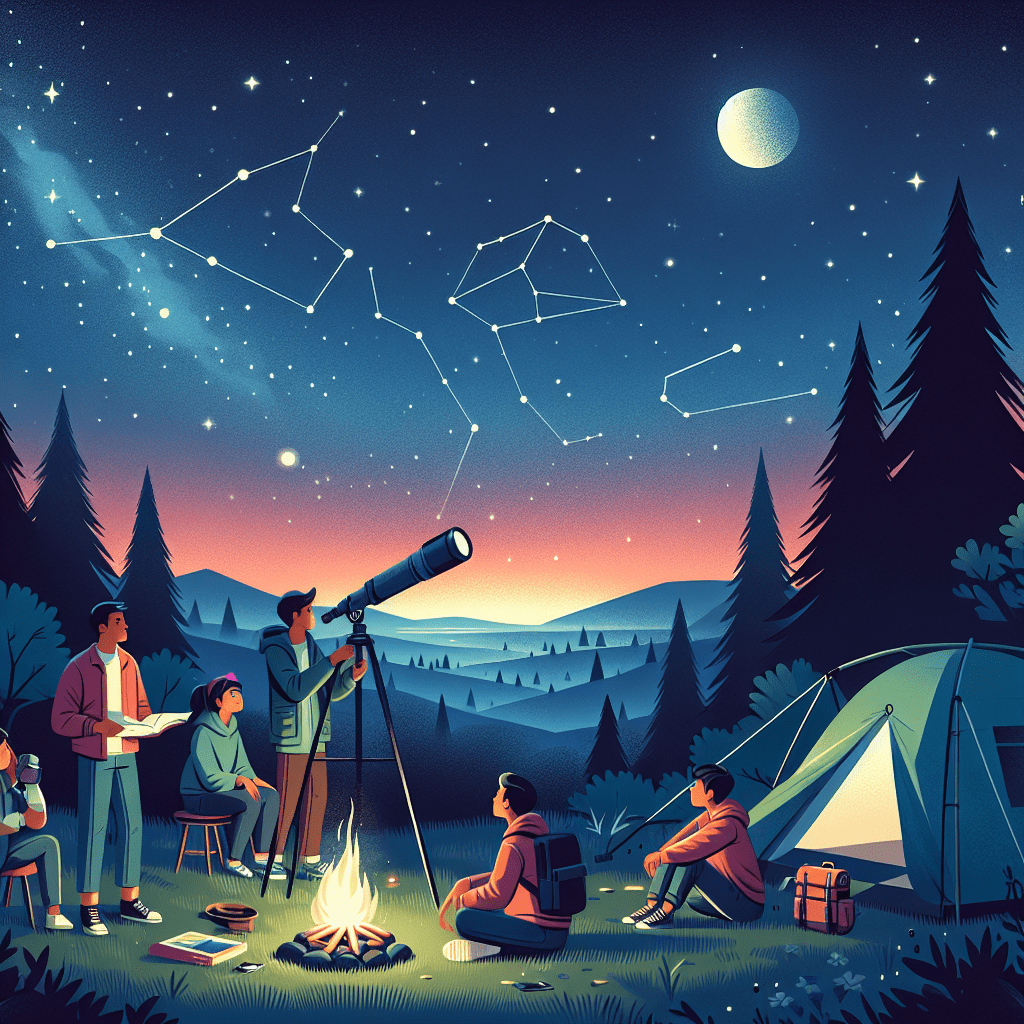

Have you ever found yourself lying on the cool grass, the crackle of a campfire at your side, gazing up at an endless expanse of stars? Stargazing while camping is not just an activity; it’s an experience that connects us to the universe in a profound way. Whether you’re a seasoned hiker or a weekend warrior, understanding the magic of the night sky can elevate your outdoor adventures to another level. How can you make the most of these celestial displays? Let’s find out!
The excitement of stargazing isn’t just about the twinkling lights above; it’s the stories they tell and the moments they inspire. For instance, I recall a camping trip in the mountains of Colorado where, after a long hike, I found myself mesmerized by the Milky Way stretching across the sky. It rekindled my passion for astronomy and reminded me just how beautiful our universe is. Whether you witness a shooting star or admire the glow of distant galaxies, each night sky brings the promise of new discoveries.
Why Stargazing Matters for Every Outdoor Enthusiast
Stargazing while camping goes beyond mere observation. It enhances our appreciation for nature, sparks curiosity, and can even forge deeper connections with those we love. When camping under the stars, we can reflect on our lives and feel a sense of wonder about the cosmos. Imagine sharing a moment of awe with friends or family as you point out constellations and celestial phenomena. These experiences become cherished memories, forming the heart of our outdoor journeys.
Essential Gear for Stargazing
To make the most of your stargazing experience, certain gear can significantly enhance the activity. Here are a few essentials to consider:
Telescopes vs. Binoculars
While many argue that telescopes are superior for deep-sky viewing, I personally recommend starting with binoculars for camping. They are portable, lightweight, and surprisingly powerful! On one memorable night, using a simple pair of binoculars, I spotted the rings of Saturn and the moons of Jupiter while camping in a remote part of Utah. It was a magical moment that sparked my interest in astronomy.
Star Charts and Apps
With the advance of technology, star charts have evolved into various apps that can help you identify constellations and celestial events. During a camping trip last summer, I used an app on my phone that pointed out the International Space Station’s trajectory overhead. Watching it glide across the starry sky was an unforgettable highlight!
Comfortable Blanket or Sleeping Bag
A comfortable place to lay back and gaze at the stars is crucial. Choose a warm, wide blanket or a sleeping bag that allows you to stretch out. On a chilly night camping in the Pacific Northwest, I remember unrolling my sleeping bag, snuggling inside, and losing track of time as I gazed up in wonder.
Planning Your Stargazing Trip
Choose the Right Location
Location plays a pivotal role in your stargazing success. High-altitude sites away from city lights offer a panoramic view of the night sky. I once camped at a secluded lake in the Sierra Nevada, where the heavy quilt of stars felt almost tangible. It was a delightful isolation from the noise of civilization, making the night even more magical.
Timing is Everything
Check the lunar phase before your trip. A new moon is ideal for stargazing, as less moonlight means brighter stars. On another trip, I learned firsthand the importance of timing. As I arrived during a full moon, I found it challenging to see the Milky Way due to the bright light. Lesson learned!
Embracing the Night Sky: What to Look For
With the right gear and location, you are ready to dive into the wonders of the night sky.
Identify Constellations
Start with the recognizable constellations. Orions’s belt or the Big Dipper can often be seen without any special equipment. During one breathtaking night, I pointed out Orion to my friends, sharing stories of Greek mythology, which added an enchanting layer to our stargazing experience.
Watch for Celestial Events
Meteor showers, eclipses, and planetary alignments can make a significant impact on your stargazing adventures. Plan your camping trip around these events! The Perseid meteor shower has been a highlight of my summer trips; witnessing a meteoric streaking across the sky while sharing laughter and marshmallows with friends is a memory I cherish.
Key Takeaways for Your Stargazing Adventures
Stargazing while camping is an art that combines preparation, location, and sheer wonder. Equip yourself with the right gear, choose a perfect location, and don’t forget to bring along your sense of curiosity and connection to the universe. As you embark on your stargazing adventures, may you find not only beauty above but also clarity within.
Reader Questions Answered
Q: What’s the best time of year for stargazing while camping?
A: The best time is often in late summer or early autumn. The skies tend to be clearer, and the temperatures are comfortable for camping.
Q: Do I need any special equipment to stargaze?
A: Not necessarily! A good set of binoculars and a star chart or app is a great start. However, if you want more detailed views, consider investing in a telescope.
Q: How can I ensure I see the most stars?
A: Choose a location far from city lights, preferably with an unobstructed view of the horizon. Arriving during a new moon will provide the darkest skies.
FAQs
Q: Can I stargaze during winter?
A: Yes, winter can offer clear skies, but prepare for colder temperatures and dress warmly!
Q: Are there any stargazing apps you recommend?
A: Apps like SkySafari and Star Walk 2 are great for beginners and experienced stargazers alike.
Q: Is it safe to camp in remote locations for better stargazing?
A: Yes, but always prepare thoroughly. Inform someone of your location, carry a first aid kit, and be aware of wildlife in the area.
As you plan your next camping trip, remember: the night sky awaits you, filled with stories, discoveries, and moments of wonder. Embrace the adventure and let the stars be your guide!