

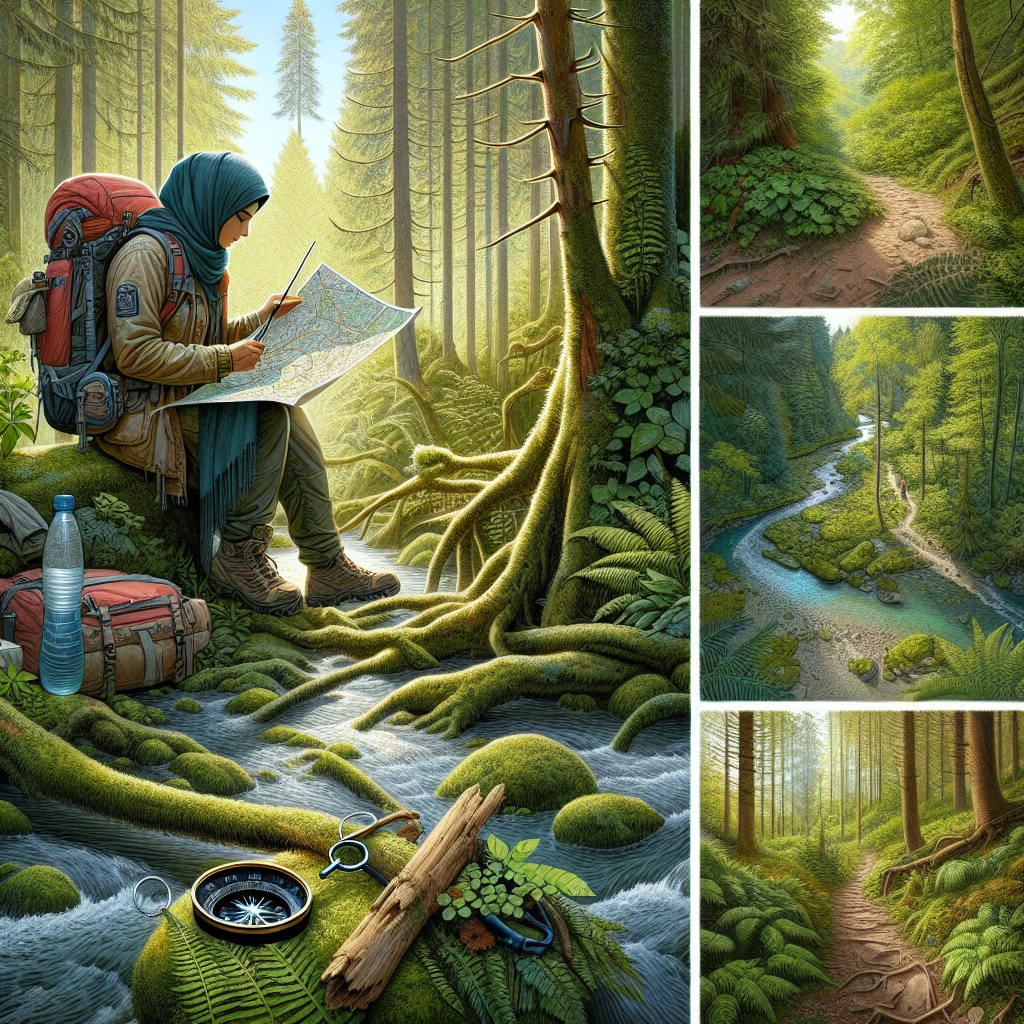

When the sun rises over the horizon and casts a golden glow on the mist-shrouded trails, the call of the wild is irresistible. As outdoor enthusiasts, we embark on our adventures filled with excitement and the allure of nature’s beauty. However, the wilderness is unpredictable, making navigation skills essential for a safe and fulfilling experience. In this post, we’ll explore the importance of navigation skills in the wilderness, share personal anecdotes, and provide practical tips to enhance your outdoor adventures.
Understanding Navigation Skills: More Than Just a Map and Compass
It’s easy to think of navigation as merely using a map and compass. While those tools are critical, navigation skills are much broader and encompass route planning, understanding topography, using technology, and responding to environmental cues.
I remember my first backpacking trip in the Rockies. I confidently set off with a shiny new compass and a crumpled map, convinced I could handle whatever came my way. However, a sudden thunderstorm and dense fog soon turned my clear trail into a confusing maze. In that moment, I realized that mere reliance on tools was insufficient; true navigation requires an understanding of the land and weather.
Why Navigation Skills Matter
Safety in the Wilderness
First and foremost, navigation skills are vital for safety. Misjudging your route can lead to dangerous situations. The story of a friend who lost her way during a hike serves as a poignant reminder. She underestimated the trail’s difficulty and ended up hiking in circles for hours. A simple understanding of navigation could have saved her from a night spent in the cold mountains.
Enhancements to Enjoyment and Exploration
Knowing how to navigate also enhances the overall experience. Instead of constantly worrying about your location, you can immerse yourself in the beauty around you. For instance, on a recent trek through the Appalachian Trail, I found a hidden waterfall that wasn’t marked on any map. My navigation skills allowed me to explore beyond the conventional paths.
Essential Navigation Tools
Map Reading and Compass Skills
While technology has made navigation easier, traditional skills remain invaluable.
- Understanding Topographic Maps: These maps detail both the landscape and elevation, allowing you to make informed decisions based on the terrain.
- Using a Compass: A compass helps you maintain a sense of direction. When I got disoriented in dense forests, aligning my compass with a topographic map was my lifeline, guiding me back to familiar ground.
GPS and Navigation Apps
Modern technology has revolutionized navigation in the wilderness. Many hikers rely on GPS devices or smartphone apps. However, these tools can fail due to battery loss or sudden weather changes. A personal experience comes to mind during a hiking expedition when I relied solely on an app to guide me through a dense fog, only to find my battery dead halfway through. It was a wake-up call to always have a backup plan.
Developing Your Navigation Skills
Practice Routinely
The best way to hone navigation skills is to practice. Start with local trails and challenge yourself with different terrains.
- Take Navigation Workshops: Many outdoor schools offer courses specifically focusing on navigation skills.
- Join Local Hiking Clubs: Participating in group hikes not only enhances your navigation proficiency but also helps you learn from experienced campers.
Learn from Mistakes
Mistakes are often the best teachers in the wilderness. On one hike, I misread a junction and ended up on the wrong trail. It was a frustrating detour, but I learned to take extra time to identify markers and map orientation.
Utilize Nature for Navigation
Pay attention to natural elements. The position of the sun, the direction of flowing water, and the shape of the land can act as navigational aids. For example, I once got turned around during a sunset hike but used the sun’s position to regain my sense of direction.
Common Navigation Mistakes
Overreliance on Technology
While GPS devices are convenient, don’t let them be your only form of navigation. A story comes to mind of a friend who became dependent on his smartphone while navigating through a remote area. He lost cell service and ended up stranded, forced to rely on passerby hikers for help.
Failing to Prepare
Many hikers neglect proper route planning. A traumatic moment from my past involved a hike where I encountered a river that wasn’t on my map. Lack of preparation could have turned a fun day into a rescue mission.
Key Takeaways
Navigation skills are not just about finding your way; they are about ensuring safety, enhancing adventure, and embracing the unpredictability of nature. As you prepare for your next outdoor excursion, remember the following:
- Equip yourself with both traditional and modern navigation tools.
- Continually practice your skills and learn from experiences—even mistakes can be valuable teachers.
- Always have a backup plan and don’t be afraid to venture off the beaten path.
Reader Questions Answered
Q1: What should I do if I get lost in the wilderness?
A1: Stay calm. Use your map and compass to determine your last known location, retrace your steps if possible, or look for identifiable landmarks. If in doubt, stay put and signal for help.
Q2: How can I improve my map reading skills?
A2: Start by familiarizing yourself with the types of maps used in your area. Take time to practice at home, then apply your skills in the field with a mentor or group.
Q3: Are there specific apps you recommend for navigation?
A3: Popular navigation apps like AllTrails and Gaia GPS are great. However, always ensure that you have offline maps downloaded in case of low reception.
Q4: Can I navigate using natural signs?
A4: Absolutely! Understanding natural signs like moss on trees (usually indicating north) or the flow of rivers can enhance your navigation capabilities greatly.
Frequently Asked Questions
1. How essential are navigation skills for beginners?
Navigation skills are crucial for everyone, especially beginners, as they form the foundation of outdoor safety.
2. Do I need a compass if I have GPS?
Yes! A compass serves as a reliable backup in case technology fails, ensuring you can still navigate effectively without modern tools.
3. How can I practice navigation in my area?
Explore local parks or nature reserves; use topographic maps, create your own routes, and test your ability to find your way.
Embrace the thrill of exploration with the confidence that strong navigation skills will keep you safe, enhance your experience, and deepen your connection to the great outdoors. Happy adventuring!