

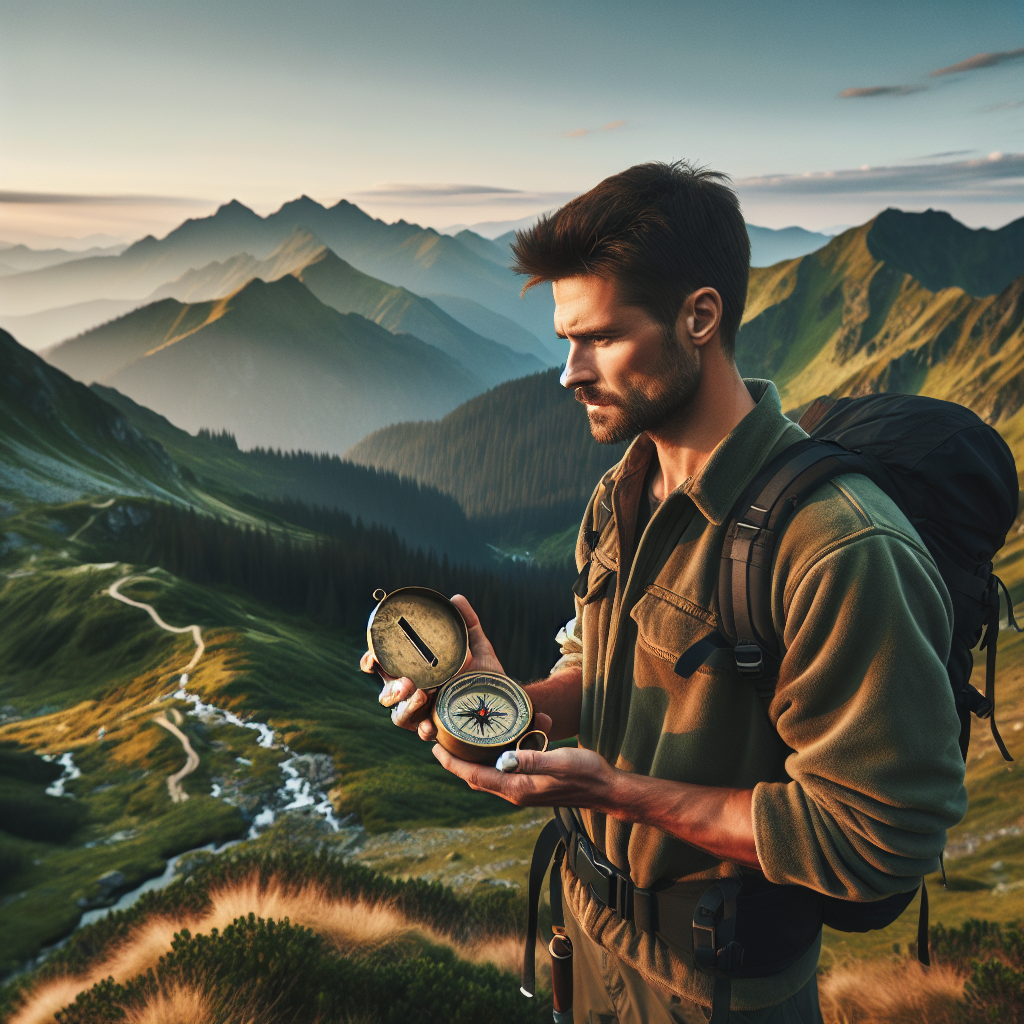

In today’s tech-driven world, we often take for granted the convenience of GPS navigation. Yet, as many seasoned outdoor enthusiasts know, a GPS device can malfunction, run out of battery, or simply lead you astray when you rely on it too heavily. Understanding how to navigate without GPS is not just a skill; it’s a crucial survival tactic that every adventurer should master. In this comprehensive guide, we’ll delve into the art of navigating by traditional methods, blending educational content with engaging stories that underscore why these skills matter.
The Importance of Navigation Skills
When I first dipped my toes into the world of outdoor adventures, I was blissfully reliant on my smartphone for navigation. This dependence was tested one fateful weekend during a solo hike in the heart of the Rocky Mountains. As I confidently marched deeper into the wilderness, my GPS app inadvertently took me off the marked trails—right into uncharted territory. It was then that I realized how essential it was to know not just how to follow a trail but also how to create one when technology failed.
Having navigation skills instills confidence and independence. In an environment where technology can betray you, being adept at traditional navigation methods—like using a compass and understanding topographical maps—can mean the difference between enjoying a breathtaking adventure and facing a harrowing experience.
Understanding the Basics of Navigation
Mapping Your Journey: Reading Topographic Maps
Topographic maps are an excellent tool for outdoor navigation, providing information about terrain features, elevation, and land forms. Here’s how to read a topographic map effectively:
- Contours: These lines represent elevation levels. Closer lines indicate steep terrain, while spaced lines suggest a gentle slope.
- Symbols: Familiarize yourself with common symbols indicating water bodies, trails, and camping sites.
- Scale: Understand the map’s scale to estimate distances accurately; for example, if 1 inch represents 1 mile, you can gauge how far your destination is.
A personal experience stands out vividly: during a challenging hike in the Sierra Nevada, the only way to navigate through dense fog was by relying on a paper map. As I squinted to discern the terrain markers, I remembered my basic training about topographic lines and patiently recalibrated my course. That moment not only reinforced my skills but also gifted me with the awe-inspiring beauty I discovered when the fog finally lifted.
The Compass: Your Trusty Navigational Companion
Every outdoor enthusiast should carry a compass. This small yet powerful tool can guide you even when visibility is low. Here’s how to use one:
- Holding the Compass Level: Maintain the compass flat and level to ensure the needle can swivel freely.
- Finding North: The needle will always point towards magnetic north. Align the compass housing’s north with the needle to determine your direction.
- Taking a Bearing: To travel to a point or maintain a course, measure the angle from north, then follow it patiently.
I vividly recall a camping trip where my friends and I decided to venture into unmarked trails. Armed solely with a trusty compass, we ascended a steep incline as the sun dipped below the horizon. The adventure taught me that even in dimming light, navigating with just a compass and confidence in my skills could lead to unexpected marvels.
Celestial Navigation: Trusting the Stars
In the absence of modern conveniences, you can always look to the skies. Celestial navigation involves using the sun, moon, and stars to find your bearings. Here’s a basic rundown:
- Sun: In the northern hemisphere, the sun rises in the east and sets in the west. At noon, it is at its highest point.
- North Star: For night navigation, locate the North Star (Polaris), which can help you find north by extending an imaginary line from the two stars at the end of the Big Dipper’s bowl.
On one starlit night during a camping trip, I found solace in the simple act of stargazing. With no artificial light nearby, I navigated back to our campsite using the North Star as my guide. That experience taught me the profound connection we have to age-old practices and the natural world.
The Land Navigation Process: Wayfinding Using Landmarks
Wayfinding is about using prominent landscape features to navigate. This involves:
- Identifying Landmarks: Large rocks, trees, and mountain peaks can serve as natural signposts.
- Creating a Mental Map: As you hike, create a mental map of your surroundings and keep track of where you came from and where you’re going.
- Using the Sun’s Position: As mentioned, the sun moves throughout the day. Observe its path to estimate time and direction.
I once set out backpacking on a multi-day trek, and part of my journey traversed an expansive valley. Rather than relying on my GPS, I committed myself to using identifiable rock formations as markers. The initial doubt nestled in my mind turned into exhilaration as each recognizable feature brought me closer to my destination.
Essential Gear for Navigation Without GPS
Before setting out on your adventure, ensure your navigation toolkit is equipped with the following essentials:
1. Detailed Topographic Map
Invest in high-quality maps that cover your intended areas. Many outdoor retailers offer waterproof options that are perfect for unpredictable weather.
2. Compass
Look for a baseplate compass that has a transparent housing and a rotating bezel—these features make it easier to take bearings on a map.
3. Note-taking Materials
Carrying a small notebook or even a smartphone (in airplane mode) for jotting down coordinates or observations can aid in planning and reviewing your navigation strategy.
Common Mistakes to Avoid in Navigation
As with any skill, mistakes can lead to misdirections and potential safety hazards. Here are some common pitfalls to avoid:
Over-reliance on Technology
While smartphones and GPS devices are excellent tools, they can falter quickly. Investing time in familiarizing yourself with traditional navigation techniques can provide much better security in the wild.
Not Practicing Regularly
Navigation is a skill that tends to rust if not used. Regular practice, even on local hikes, will keep your skills sharp and instill confidence.
Underestimating Environmental Challenges
Weather changes or unfamiliar landscapes can affect visibility and distort your sense of direction. Always assess the terrain and prepare for uncertainties.
Wrap-Up: Key Takeaways
Navigating without a GPS is not just a survival skill; it’s a gateway to adventure. By mastering topographic maps, becoming proficient with a compass, and trusting the natural landscape, you can confidently traverse the wilderness. Embrace opportunities to practice these skills, ensuring your journeys are safe and rewarding. Remember, every adventure offers lessons that contribute to your growth as an outdoor enthusiast.
Reader Questions Answered
What should I do if my map gets wet?
It’s best to invest in waterproof maps or protect them with a plastic sleeve. If your map does get wet, try to dry it (not in direct sunlight). Alternatively, a laminated map can withstand moisture better.
How do I choose the right compass?
Select a compass with a rotating bezel for taking bearings. A clear baseplate is helpful for aligning your compass with your map.
Are there mobile apps that can help with navigation?
Yes! Many outdoor apps offer offline maps which can be downloaded prior to your trip; however, always carry a physical map and compass as a backup.
FAQs
Is it hard to learn outdoor navigation skills?
Learning navigation requires practice, but it becomes easier with experience. Start with basic techniques and gradually incorporate more complex skills.
Should I always carry a physical map even if I have GPS?
Yes. Technology can fail, and having a physical map ensures you have a reliable backup.
Can I navigate in complete darkness?
Yes! Familiarize yourself with celestial navigation or simply practice your compass skills to navigate after dark.
Embark on your next adventure with confidence! Knowing you can navigate without the aid of GPS will ultimately enhance your relationship with the great outdoors and prepare you for the unexpected. So pack your gear, brush up on your skills, and explore the beauty that awaits beyond well-trodden paths!