

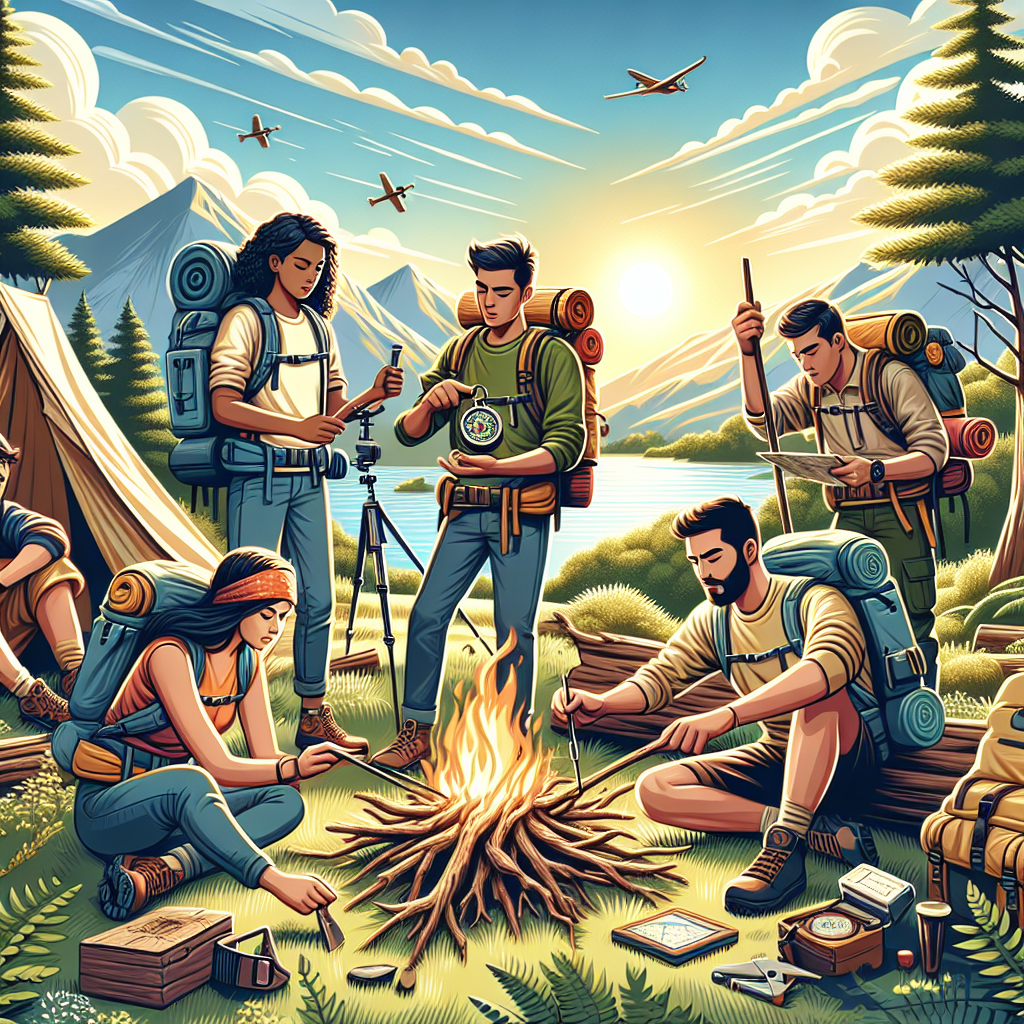

Imagine you’re deep in the wilderness, surrounded by towering trees and the sound of a bubbling brook. Suddenly, your trusty GPS fails, and you find yourself navigating by instinct alone. Would you feel confident in your survival skills or succumb to panic? For both seasoned adventurers and budding backpackers, mastering essential survival skills can be the difference between a thrilling adventure and a perilous situation. Today, we’ll explore vital survival skills that every backpacker should master before hitting the trail, blending educational insights with personal stories to keep your spirit for adventure alive.
As we delve into these skills, think about your last outdoor outing. Did you prepare adequately? Are there skills you wish you had strengthened? Here’s why honing these survival skills is not just useful but essential for every outdoor enthusiast seeking to challenge themselves in nature’s vast playground.
Navigating Without Technology: Map and Compass Skills
While many backpackers applaud the convenience of GPS devices and smartphone apps, these tools can fail — often when you least expect it. Learning how to use a map and compass can turn a stressful situation into an empowering one.
Why It Matters
Understanding how to read topographic maps and use a compass can give you the confidence needed to navigate through complex terrains. During a solo backpacking trip in the Rockies, my map and compass saved the day. After following a trail that seemed promising, I realized I had been hiking in circles! By recalibrating my bearings, I was able to find my way back and even discover a stunning waterfall that became a highlight of my journey.
Gear Essentials
- Topographic Map: Study how to interpret contour lines and elevation changes.
- Compass: Familiarize yourself with declination adjustments to ensure accurate readings.
- Pro Tip: Always carry a physical map, even if you plan to rely on technology.
Building a Fire: The Art and Science of Warmth and Safety
A fire is more than just warmth; it’s a source of light, a signal for rescue, and a means to cook food. Knowing how to build a fire safely is crucial — and an exhilarating skill to boast about around the campfire.
How to Start a Fire
Using dry materials, follow these steps:
- Gather Tinder: Look for dry leaves, grass, or small twigs.
- Create a Fire Bed: Clear a space and arrange rocks to contain the fire.
- Build Your Fire Structure: Use a teepee or log cabin structure to allow airflow.
- Ignite with Care: Use waterproof matches or a lighter — or even better, practice your skills using flint and steel for a real challenge.
During a chilly winter backpacking trip, I gathered firewood under the starlit sky. My fire lit up the night, and the warmth brought a sense of reassurance. As I huddled by the flames, I reflected on the days’ adventures, realizing that my fire wasn’t just a source of heat; it was the heart of my campsite.
Water Sourcing and Purification: Staying Hydrated
Water is essential for survival, and knowing how to find and purify it can be a lifesaver.
How to Find Water
Look for signs of water flow: Look for animal trails leading downhill or green vegetation.
Purification Methods
- Boiling: Let water boil for at least one minute (three at higher altitudes).
- Filters: Invest in a lightweight water filter for quick access.
- Chemical Tablets: Pack some for emergency situations.
On a multi-day trek through Idaho’s backcountry, my water filter broke, and I had to revert to boiling. Sitting by a river, watching my water bubble away, the moment restored a sense of patience I often forgot in everyday life. Each sip, after waiting, tasted like pure triumph.
Food foraging and Preparation: Knowing What to Eat
Learning basic foraging skills can expand your culinary options in the wild, and it can be fun to discover nature’s hidden gems.
Foraging Basics
- Identify Edible Plants: Familiarize yourself with local flora, such as wild berries and greens.
- Practice Identifying Myths: Some plants may appear edible but are harmful. Always double-check.
- Safe Preparation: Go through a preparation checklist to avoid potential dangers.
During a summer hike, I stumbled upon a patch of wild raspberries. Considered a fortuitous snack, I picked a handful and shared them with my fellow hikers. The joyous taste reminded us of nature’s bounty, turning our stride into laughter.
Wilderness First Aid: Staying Healthy in the Wild
Accidents can happen, which is why wilderness first aid training is invaluable. Knowing how to treat common injuries can keep your group safe.
Basic Wilderness First Aid Skills
- Know How to Treat Cuts and Scrapes: Clean wounds promptly and apply bandages.
- Recognize Signs of Hypothermia/Heat Stroke: Being aware can be lifesaving; adjust your layers accordingly.
- CPR and Basic Resuscitation Skills: Equip yourself with these skills and possibly a first-aid kit.
On a challenging ascent up Mount Rainier, a fellow backpacker tripped and fell, injuring her ankle. Thanks to my training, I was able to help stabilize her leg and create a makeshift splint. We shared stories, laughter, and a bond that proved invaluable those challenging hours.
Wrap-Up / Key Takeaways
As we’ve explored these essential survival skills, remember that preparation is key to a successful backpacking journey. From mastering fire-starting techniques to navigating with confidence, these skills not only enhance your experience but can also save lives. So gear up, prepare yourself, and take on the wilderness: adventure awaits!
Reader Questions Answered
Q1: What if I get lost while backpacking?
A: Stay calm and remember your navigation skills. Use your map and compass, identify landmarks, and retrace your steps if possible.
Q2: How can I find clean water in the wild?
A: Look for flowing water, clear streams, or lakes. Remember to purify it before drinking, using methods like boiling or filters.
Q3: What is the best way to signal for help?
A: Use a whistle, mirror, or bright-colored object. A fire creates visual and smoke signals, both effective for attracting attention.
FAQs
Q1: How much water should I carry while backpacking?
A: A general rule is to drink about half a liter per hour while hiking. Always factor in temperature and how strenuous your hike is.
Q2: What essential gear should I pack for survival?
A: A compass, map, first-aid kit, multi-tool, fire starter, and water purification system are crucial items.
Q3: Do I need survival training?
A: While not mandatory, courses offer invaluable knowledge that can prepare you for unexpected situations and enhance your confidence in the outdoors.
Embrace the thrill of backpacking with the skills necessary to ensure safety while enjoying nature’s wonders. It’s time to pack your bags and hit the trail!