

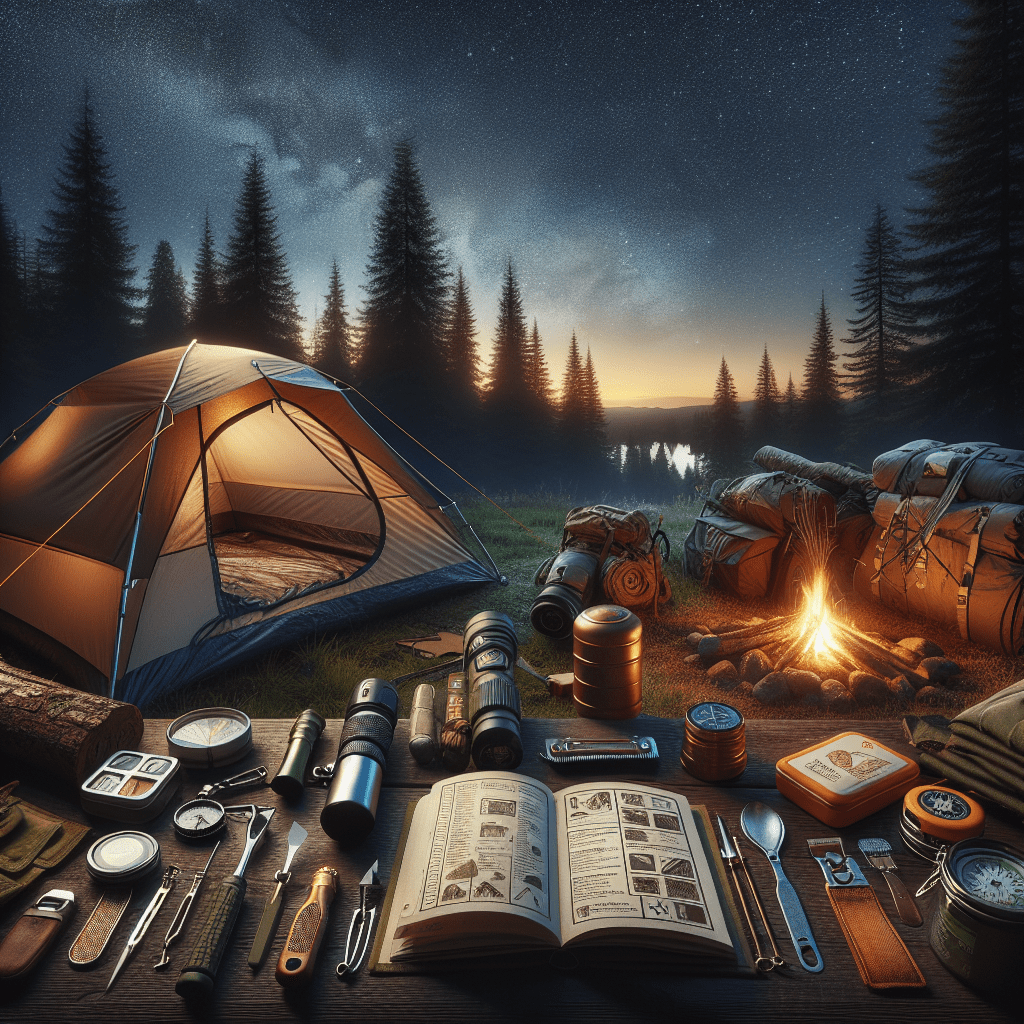

Crickets chirp in the distance, the smell of pine surrounds you, and a soft glow emanates from the flickering campfire. Camping in the wild can feel like pure magic—until shadows dance a little too close to your campsite, and uncertainty creeps in. How do you handle the unexpected? Is your survival instinct sharp enough to keep you safe when night falls?
Camping is one of life’s most exhilarating adventures, but it comes with its share of risks. It’s vital for outdoor enthusiasts, whether seasoned or novice, to be well-prepared for unexpected events when the sun sets. This blog post will take you on a journey through essential safety tips for camping at night, peppered with real-life anecdotes to emphasize the lessons learned along the way. You’ll leave equipped not only with knowledge but also with inspiration to embrace your next night beneath the stars.
Understanding the Risks of Camping at Night
Camping under the stars is a romantic idea, but it’s crucial to be aware of the potential risks you face after dusk. From wildlife encounters to unpredictable weather changes, night time can amplify dangers.
During one of my earlier camping trips in the Smoky Mountains, I remember gathering around the campfire with friends. We were regaling stories when a curious raccoon decided to join us uninvited. We were overly excited at first, but as it inched closer, I realized we hadn’t secured our food. That night, I learned the importance of understanding wildlife behavior and securing our campsite, which is a lesson I’ve carried with me ever since.
Choosing the Right Campsite
Identifying Safe Locations
When planning your camping adventure, the choice of campsite can significantly affect your safety. Look for areas away from water bodies to avoid flooding, and avoid camping near cliffs that might pose a fall risk.
When I camped along the rugged coastline of Big Sur, I meticulously chose a spot away from the edge of the cliffs and near a well-trodden path. It was a decision made with caution: I’d heard stories about campers getting too close to the end and losing their footing. Choosing a safe location not only keeps you protected from environmental hazards but also makes for a more enjoyable experience.
Understanding the Terrain
Understanding the terrain is crucial. Look for flat ground to pitch your tent, away from potential rockfalls or fallen branches that could create a hazard.
On another trip in the Rockies, I pitched my tent on a seemingly perfect, flat patch of ground. It wasn’t until I woke in the middle of the night to the sound of heavy rain that I realized the spot collected water; I woke up in a puddle. Since then, I’ve learned to evaluate the landscape carefully before settling in for the night.
Essential Gear for Nighttime Safety
Tent and Gear Selection
Your tent is your sanctuary. Choose one that is appropriate for the climate and environment. A well-structured tent will keep you warm and dry, while a poorly constructed one can lead to a miserable night.
I once camped in a lightweight tent during a surprise thunderstorm. While my friends had opted for sturdier models, I was left listening to the rain drumming incessantly on thin fabric. It wasn’t a great night—another valuable lesson learned.
Lighting Solutions
Proper lighting is a must for camping at night. Bring headlamps, flashlights, and extra batteries to ensure visibility. Also consider solar lights or LED lanterns for communal spaces.
On a more positive note, lighting changed the game during a group camping trip at Yosemite. With ample lighting, we could navigate to the restroom safely without stumbling through the dark. We felt secure knowing we could spot any wildlife nearby simply with a flick of a switch.
Safety Protocols When Camping at Night
Planning Your Evening Activities
Plan your evening activities wisely. Whether it’s storytelling, stargazing, or simply enjoying the sounds of nature, ensure you coordinate with your group. Designate a “campfire watch” if needed.
During one camping trip, my group decided to split up for a “night hike.” My friend Mark, who had ventured a little too far, ended up a bit lost and irritated a bear in the area. While it ended without incident, it prompted us to create a plan before wandering off next time.
Food and Wildlife Safety
Proper food storage is crucial to deter unwanted nocturnal visitors. Secure food in airtight containers and store it at least 100 yards away from your sleeping area, preferably in a bear-proof container.
While camping in the Adirondacks, I learned this lesson firsthand. One unguarded candy bar led to a raccoon invasion that knocked over gear and turned our campsite upside down. The memory of those pesky bandits remains, reminding me how essential it is to be vigilant about food.
Preparing for Emergencies
Packing a First Aid Kit
No camping trip is complete without a well-stocked first aid kit. Include items like antiseptics, bandages, and any personal medications.
I once sprained my ankle during a hike and was grateful to have my first aid kit in our supplies. After ensuring we had everything we needed, I could still enjoy the experience, albeit from a seated position around the fire.
Emergency Communication
Ensure at least one person in your group has a reliable method of communication. Satellite phones or emergency beacons are ideal for remote areas without cell service.
On one remote camping trip, our cell phones lost service entirely, leaving us cut off. Thankfully, our friend Lisa had a satellite phone. It was our lifeline in case of emergencies, demonstrating the value of planning for the unexpected.
Psychological Preparedness
Embracing the Night
Many campers feel an increased sense of unease upon nightfall. Familiarizing yourself with nocturnal sounds can ease anxiety.
During one memorable night camping in Olympic National Park, the symphony of owls and crickets made my friends and me feel at home. Knowing the nighttime sounds helped create a sense of comfort—it was just nature going about its business.
Staying Calm Under Pressure
Panic can exacerbate a situation. Practicing deep-breathing techniques can help you remain calm and think rationally, whether it’s facing a wildlife encounter or navigating a challenging hike back to camp.
I remember when a sudden thunderstorm hit. Instead of panicking, we all took a deep breath, secured our gear, and focused on what needed to be done. It reinforced the value of staying level-headed amidst chaotic situations.
Key Takeaways
Camping at night can be enchanting or terrifying, depending on your level of preparation. The essential safety tips provided in this guide can equip you not only to survive but to truly thrive in the wild. Remember to choose your campsite wisely, pack the appropriate gear, and remain vigilant about safety. The beauty of camping lies not just in the scenery, but also in the stories and memories you create.
Reader Questions Answered
-
What should I include in my camping first aid kit?
A basic kit should include antiseptics, bandages, tweezers, pain relievers, and any personal medications. -
How do I secure food from wildlife?
Store food in airtight containers and keep it at least 100 yards away from your tent, ideally in bear-proof containers if you’re in bear territory. -
How can I prepare for bad weather while camping?
Check weather forecasts, choose appropriate tents, and ensure you pack gear designed for adverse conditions to stay safe.
FAQs
-
What is the best time to set up a campsite?
Set up your campsite before sundown to ensure you have enough daylight for visibility. -
How should I react if I see a bear?
Remain calm, avoid direct eye contact, and back away slowly. Do not run. -
Is it safe to cook near my tent?
Avoid cooking close to your sleeping area to deter wildlife and prevent fire hazards.
Your adventure awaits—armed with these tips, venture into the wild, and embrace the night with confidence!