

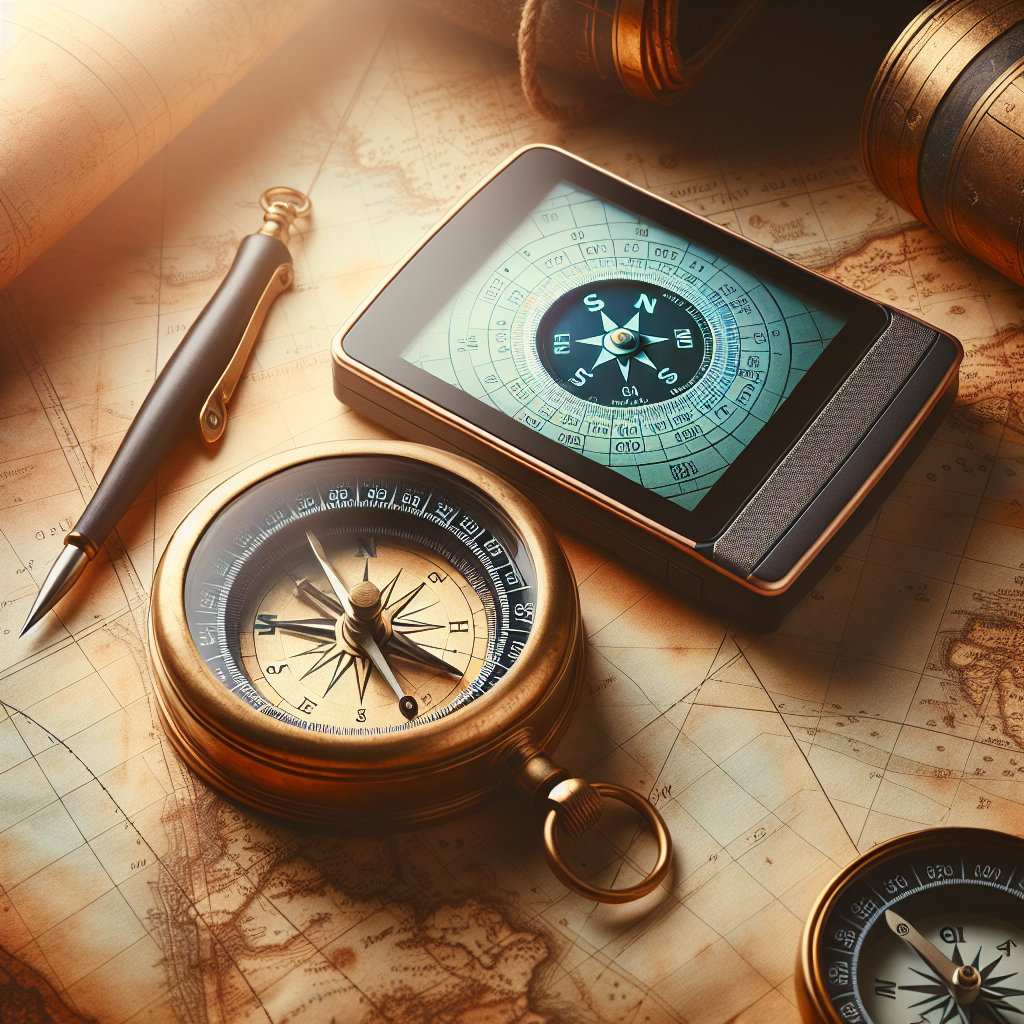

Navigating the great outdoors can be as exhilarating as it is daunting. With landscapes changing rapidly and unpredictable weather conditions, every outdoor enthusiast must hone their navigation skills. Whether you’re a seasoned hiker exploring the Arctic tundra or a novice camper heading into the nearby woods, understanding the art of navigation—particularly the blend of technology and old-school methods—is crucial for safety and success. In this comprehensive guide, we’ll delve deep into these techniques, drawing both from rich personal experience and expert knowledge, so that you can confidently find your way wherever adventure takes you.
Why Navigation Skills Matter: A Personal Anecdote
I still vividly remember my first solo hiking trip in the Cascades. The thrill of setting out into the wild was intoxicating, but my excitement quickly turned to anxiety when I realized my GPS battery was draining faster than expected. The reliance on technology proved perilous when I strayed from the marked trails and ended up at a fork with no clear sign of where to go next. Panic set in until I recalled my basic training in navigation skills taught by a mentor—a seasoned backpacker who had once gotten lost in a similar situation. By recalling the sun’s position and using my compass, I found my way back. This experience sharpened my understanding of the importance of blending GPS technology with traditional navigation methods.
Understanding the Basics of Navigation
The Importance of Knowing Your Tools
Before heading outdoors, familiarize yourself with the navigation tools at your disposal. The primary tools for navigation are:
- Maps: Your foundational resource, offering topographic details and landmarks. Portable paper maps should always accompany digital tools as a backup.
- Compass: A fundamental tool that helps orient the map and navigate using cardinal directions.
- GPS Devices/App: While convenient, they are best used alongside traditional methods to ensure reliability.
How Technology and Old-School Methods Complement Each Other
In today’s tech-savvy world, many enthusiasts are tempted to rely solely on their smartphones or dedicated GPS devices. However, electronic devices can fail—whether due to battery depletion or signal loss. Here’s why a harmonious blend is essential:
- Enhances Reliability: Using a compass and map as backups can save you in situations where technology falters.
- Situational Awareness: Manually reading maps fosters a deeper understanding of your environment, heightening your awareness of surroundings and potential hazards.
Mastering the Art: Steps to Navigate Like a Pro
Learning to Read a Map
Understanding map symbols and scales is crucial. Start with topographic maps that indicate elevation changes and terrain types.
- Tip: Practice reading a map in familiar territory before venturing into the unknown.
During one of my hikes, I encountered an unexpected elevation change that wasn’t represented on my GPS. Thanks to my knowledge of topographic maps, I navigated the rocky descent smoothly, avoiding dangerous pitfalls.
Using a Compass: The Basics
The compass consists of a needle that aligns with the Earth’s magnetic field. Here’s a quick guide:
- Hold the compass flat: Make sure it’s level for accurate readings.
- Orient the map: Align the map’s north with the compass needle.
- Identify your bearing: To find a path to your destination, set your desired bearing on the compass and follow it.
On one particularly memorable day, I was hiking on a foggy trail in the White Mountains. The visibility was poor, but by relying on my compass to follow bearings, I avoided losing my way and found a stunning overlook that I would have otherwise missed.
Leveraging GPS Technology
While understanding traditional navigation is essential, GPS devices and apps can provide a wealth of information.
- Track your route: Use your GPS to log your movements and mark significant spots.
- Offline Maps: Ensure your app allows for downloading offline maps, especially in remote areas.
I learned this lesson on a multi-day trek in the Grand Canyon, where the signal was sporadic. Having offline maps saved me countless hours of frustration when reconciling my position with the physical landscape.
Common Mistakes in Navigation
A key component of mastering navigation is learning from past mistakes. Here are a few common pitfalls:
- Over-reliance on technology: Always have a backup.
- Ignoring your surroundings: Stay aware of natural landmarks to assist with orientation.
- Failure to plan: Well before your trip, study the area, noting potential hazards and landmarks.
During a camping trip in Yosemite, a fellow camper ignored the natural landmarks and wound up lost for hours. Had he paid attention to his surroundings, he could have used the towering cliffs as reference points.
Wrap-Up: Key Takeaways
Mastering navigation is an essential skill for outdoor enthusiasts. By blending technology with traditional methods, you not only enhance your reliability but also deepen your connection with the landscape. Always carry a map and compass, familiarize yourself with both tools, and avoid common mistakes. Practice is key—so, resolve to get outside and navigate new terrains!
Reader Questions Answered
1. How do I choose the best navigation tools for my trip?
Selecting the best tools depends on your destination and level of experience. For day hikes, a map and compass may suffice. For remote hikes, invest in a GPS device with offline capabilities.
2. What’s the easiest way to learn map reading?
Start with practice. Use a topographic map in familiar areas and try to navigate from one point to another using only the map and compass.
3. How can I ensure my GPS stays functional throughout my hike?
Keep your device charged and save offline maps before your hike. Also, consider bringing a portable charger to extend battery life.
FAQs
1. Can I rely solely on GPS for navigation?
While GPS is a powerful tool, it’s best used alongside traditional methods to prepare for potential technology failures.
2. What types of maps should I use?
Topographic maps are highly recommended for hiking as they provide essential information about terrain changes and features.
3. How does weather affect navigation?
Weather can significantly impair visibility and alter landscapes. Always check the forecast and adjust your navigation plan accordingly.
In rich narratives intertwined with actionable advice, this exploration on the art of navigation serves as both a guide and an invitation to get outdoors, engage your senses, and find your way through the wilderness—adventurously. Now, let’s gear up and hit those trails!