

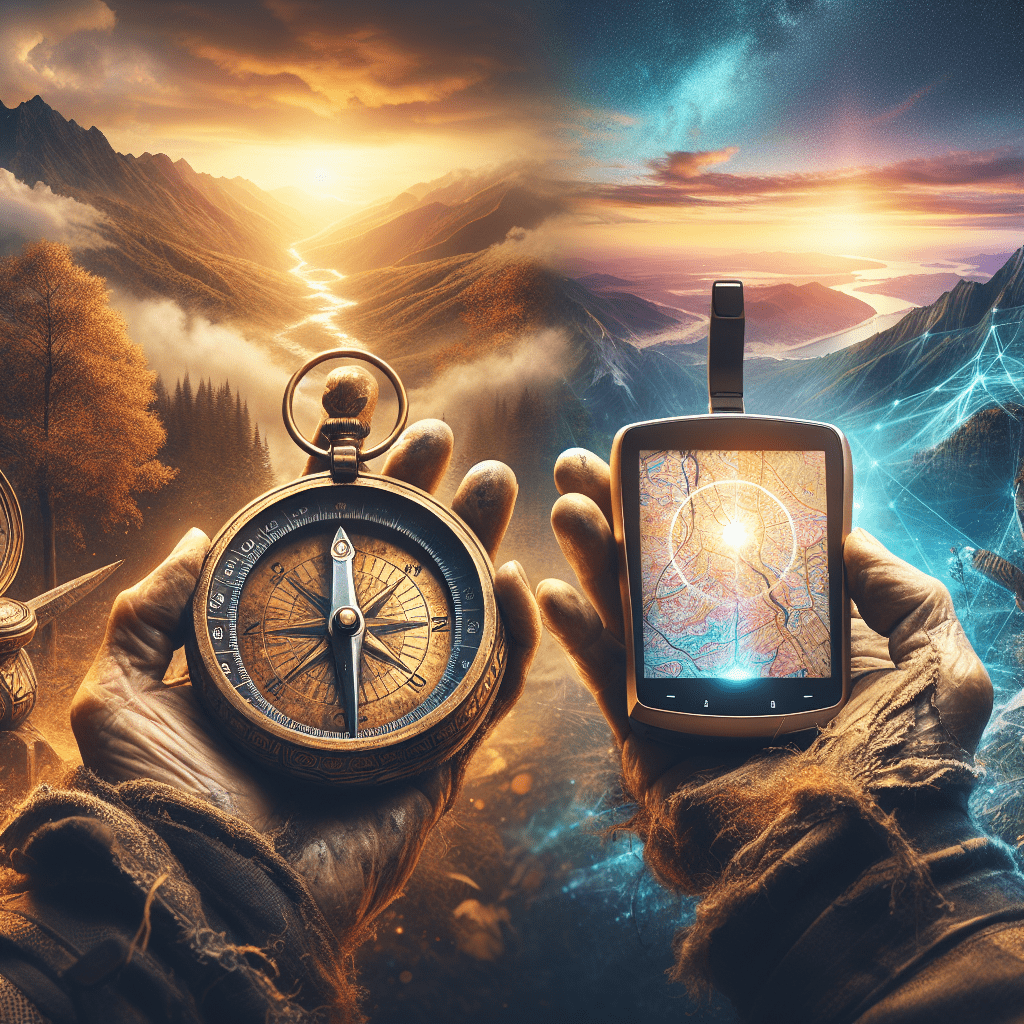

Navigating the great outdoors can often feel like a mix of adventure and uncertainty, where each twist in the trail or turn of the path could lead to an exhilarating discovery—or an unintended detour. The ability to find your way is an essential skill for any outdoor enthusiast, and mastering the art of wayfinding can transform your experience in nature. This blog post delves deep into the art of wayfinding, illustrating how traditional techniques harmoniously blend with modern technology to help adventurers navigate their surroundings confidently.
Introduction
Picture this: you’re hiking through a dense forest, the sun dipping low in the horizon, casting long shadows between towering trees. You’ve relied on your trusty map and compass to mark out your route, but suddenly, the path ahead branches in two directions. You pause, realizing that this moment could either lead you to your campsite or prolong your trek into the unknown. Navigational decisions like these highlight the importance of wayfinding, a skill that combines intuition and learned tactics.
In this post, we’ll explore the various aspects of wayfinding, from classic methods like celestial navigation and topographic maps to the latest in GPS technology. Along the way, I’ll share personal stories that exemplify key lessons learned—ensuring that you not only understand the mechanics of wayfinding but also appreciate the nuances that come with it. Let’s embark on this journey together.
Understanding Wayfinding: The Basics
What is Wayfinding?
Wayfinding refers to the process of determining and following one’s path from one place to another. While it may sound straightforward, effective wayfinding explores psychology, instinct, and a suite of tools that can guide you through the wilderness.
Why Wayfinding Matters
Being proficient in wayfinding is crucial for several reasons:
- Safety: Accurate navigation minimizes the risk of getting lost, which can lead to dangerous situations in the wilderness.
- Confidence: Knowing you can find your way provides peace of mind, allowing you to fully immerse yourself in your outdoor experience.
- Connection: Understanding your surroundings fosters a deeper connection to nature, enhancing your appreciation of the environment.
As a novice hiker years ago, I remember standing at the edge of a seemingly endless forest. Without proper navigational skills, I had to turn back. If only I had built up foundational skills in wayfinding, I could’ve experienced the beauty of that wild terrain.
Traditional Wayfinding Techniques
Celestial Navigation: Following the Stars
Before the advent of GPS technology, explorers relied heavily on the stars for navigation. The North Star, for instance, is a reliable guide in the Northern Hemisphere.
How to Use Celestial Navigation
- Identify the North Star: Locate the Big Dipper; follow its “pointer” stars to find Polaris, the North Star.
- Understand Local Star Patterns: Familiarize yourself with constellations visible in the area where you’ll be navigating.
There was a starlit night during a camping trip when I had to navigate back to camp after a spontaneous detour. Trusting the stars above, I found my way back safely and even felt a renewed admiration for the heavens.
Map Reading and Compass Skills
Despite technological advancements, understanding how to read topographic maps and use a compass remains vital.
Key Skills to Develop
- Map Interpretation: Learn to identify symbols and terrain features.
- Compass Basics: Understand how to take bearings and orient your map to your surroundings.
During one memorable hike in the Rockies, my compass malfunctioned. Thanks to my map-reading skills, I was able to reorient myself and confidently navigate through terrain I was initially unfamiliar with—a testament to the power of traditional techniques.
Integrating Technology: GPS and Navigation Apps
The Role of GPS Devices
Modern GPS devices and smartphone applications have revolutionized outdoor navigation, making it easier than ever to find your way.
How to Effectively Use GPS
- Plan Ahead: Download maps and plot waypoints before heading out, as signal loss can occur in remote areas.
- Battery Management: Ensure your devices are fully charged and carry a backup power source.
One summer, I ventured into the Pacific Northwest. My smart device guided me through trails that would have been nearly impossible to find otherwise. However, the experience reinforced the importance of having a backup compass; technology is phenomenal but not infallible.
Navigation Apps to Consider
- AllTrails: Great for tracking hiking routes with user reviews.
- Gaia GPS: Offers off-line maps, useful in remote areas with poor reception.
- Google Maps: Excellent for preliminary urban planning before your outdoor adventures.
Best Practices for Effective Wayfinding
Packing Essentials for Navigation
To set yourself up for success, carry key navigational tools:
- Map and Compass: Always bring a physical map, even if you rely on digital tools.
- GPS Device or Smartphone: For real-time navigation.
- Notebook and Pen: Jot down important bearings or observations.
In one instance, I set out with a group of friends, forgetting my map at home. As we lost our way after different forks in the trail, I realized the costly mistake of not being adequately prepared.
Common Mistakes in Wayfinding
- Relying solely on technology: Always have a backup plan.
- Ignoring environmental cues: Use the sun, stars, and terrain to assist in navigation.
- Failing to practice: Regularly test your skills in safe environments to develop instinctual reactions.
Wrap-Up / Key Takeaways
As you can see, mastering the art of wayfinding involves a blend of timeless traditions and modern technology. The lessons learned from both realms provide a robust foundation for any outdoor enthusiast. Whether you’re contemplating your next hiking trip or preparing for an adventure in uncharted territories, practicing these essential skills will not only enhance your confidence but your resignation to the wild’s unpredictable beauty.
Explore, learn, and integrate these navigational techniques into your outdoor pursuits—weaving together the tapestry of technology and tradition.
Reader Questions Answered
Q1: What if my compass and GPS lead me astray?
Navigating with both tools simultaneously is crucial. If you notice discrepancies, trust your compass and map reading skills, as they provide a broader context of the terrain.
Q2: Can I rely solely on my phone’s GPS for navigation?
While smartphones offer convenience, signal loss can occur in remote areas. Always have a paper map and compass on hand as a reliable backup.
Q3: What should I do if I feel lost in the wild?
Stay calm, take a moment to assess your surroundings, retrace your steps if possible, and use your navigation tools. If necessary, stay put and signal for help to increase visibility.
FAQs
Q: Is it necessary to know traditional wayfinding techniques?
A: Yes, traditional methods grounding your skills foster independence and reliance on critical thinking in emergency situations.
Q: What should my navigation kit include?
A: A reliable map, compass, GPS device, backup power source, first aid kit, and enough water and food.
Q: How can I improve my navigation skills?
A: Regular practice is key! Spend time hiking in familiar areas, gradually increasing complexity as you grow more confident.
Mastering the art of wayfinding takes time and practice, but the confidence gained from knowing you can navigate the wilds is immeasurable. Equip yourself with knowledge, respect nature, and venture forth!