

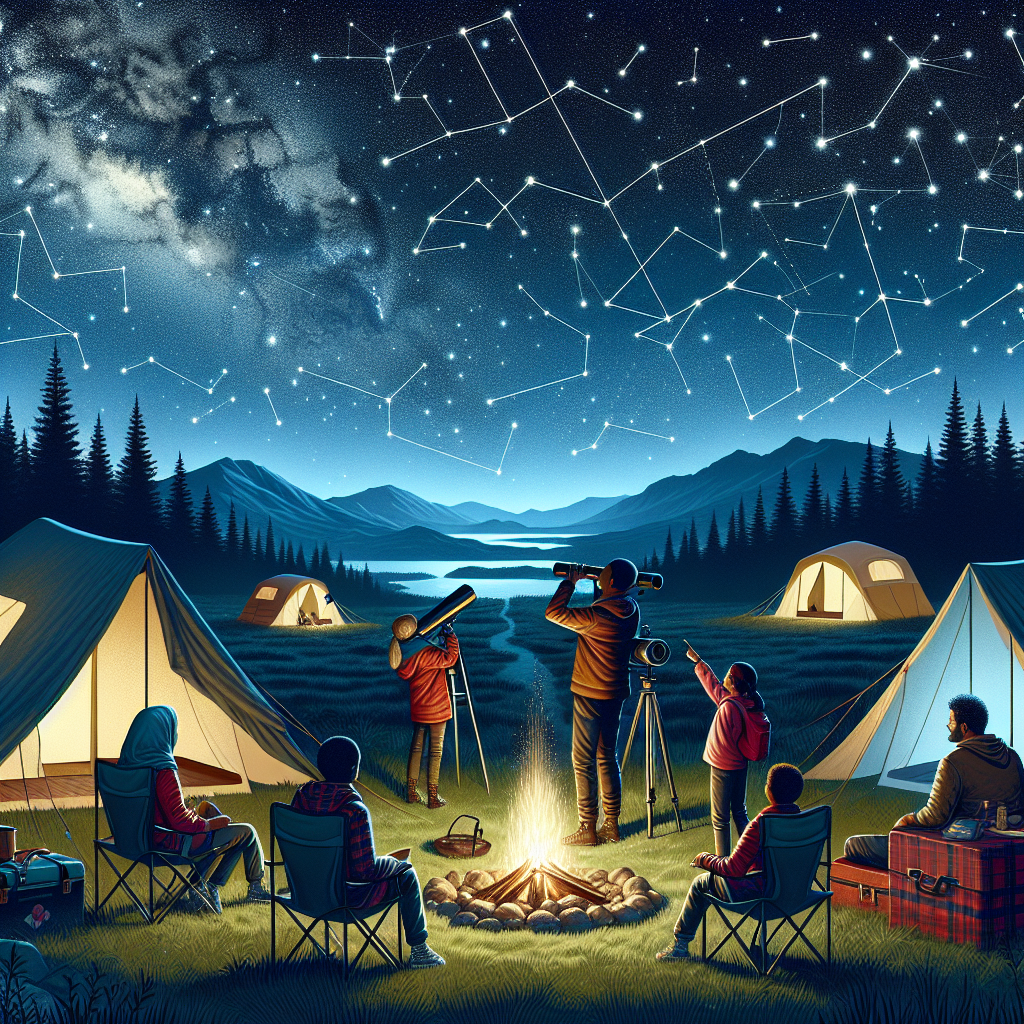

When was the last time you lay back on a blanket and gazed up at the infinite expanse of the night sky? The twinkling stars seem to whisper stories of old, filling our imaginations with wonder and awe. For outdoor enthusiasts and stargazers alike, there’s nothing quite like camping under a celestial blanket of stars. But not all campsites are created equal when it comes to basking in the brilliance of the Milky Way.
Have you ever wondered where the best spots are to experience this magnificent spectacle? Whether you’re a seasoned camper or someone just dipping their toes into the world of outdoor adventures, the opportunity to immerse yourself in nature while stargazing is nothing short of magical. In this post, we’ll embark on a journey to discover the best campsites for stargazing, delving into how to make the most of your experience while sharing personal insights and lessons learned along the way.
Why Stargazing Matters for Campers
Stargazing serves as a reminder of our place in the universe, igniting curiosity and a sense of connection to the greater cosmos. The beauty of shared stories around a campfire, paired with the enchanting backdrop of a starry night, creates lasting memories. In fact, many of my most cherished moments involve standing in awe of the vastness above.
One such night was spent in the heart of the California Sierras, where my friends and I decided to forgo our usual evening games for a celestial show. As we lay flat on the ground, we spotted meteor after meteor, often marking our awe with spontaneous cheers and laughter. It was that night I understood that stargazing could serve as both a profound individual experience and a joyful communal bond.
To ensure you can enjoy the stars as we did, let’s explore the best campsites for stargazing.
Choosing the Right Campsite
Considerations for Ideal Stargazing
When selecting a campsite for stargazing, consider the following key factors: location, light pollution, and elevation.
- Location: Seek out national parks, forests, and remote campgrounds far from urban areas.
- Light Pollution: Use resources like the Dark Sky Finder to locate areas with minimal artificial light.
- Elevation: Higher altitudes often provide clearer skies, as you’re above some of the atmospheric interference.
During my trek through the remote areas of Big Bend National Park in Texas, I realized how transformative a campsite without light pollution can be. The stars blazed like diamonds against the velvet sky, and I felt as if I were glimpsing the universe in its purest form.
Top Campsites for Stargazing
1. Yosemite National Park, California
Yosemite is not just famous for its breathtaking landscapes but also for its phenomenal night sky. The park has specific areas designated for stargazing, such as Glacier Point, where expansive views reveal the Milky Way in all its glory.
Tips: Bring a pair of binoculars and a sky map to help navigate constellations. Take some time to soak in the surroundings before the stars come out—a midday hike can lead to a perfect evening under the sky.
2. Big Bend National Park, Texas
Big Bend is a stargazer’s dream. Voted as one of the best dark sky parks in America, its remote desert scenery offers an unparalleled view of celestial wonders.
Personal Anecdote: On a particularly clear night, I set up my sleeping bag outside my tent, completely mesmerized by the star trails above. I remember feeling the sheer vastness of nature, and how small I felt in comparison. That night taught me the importance of taking time to appreciate the natural world.
3. Acadia National Park, Maine
Known for its breathtaking sunrises, Acadia also boasts pristine dark skies. The park’s coastal location often provides unique views of starry nights against the backdrop of the Atlantic Ocean.
Actionable Insight: Check the park’s calendar for stargazing events and ranger-led programs. Engaging with local enthusiasts can enhance your knowledge and experience.
Stargazing Gear Essentials
Review of Must-Have Gear
To maximize your stargazing experience, consider packing the following essentials:
- Telescope or Binoculars: While naked-eye stargazing is enjoyable, a telescope or quality binoculars can enhance the experience.
- Star Map App: Download an app such as Skyward or Star Walk to help identify celestial bodies.
- Comfortable Blanket or Sleeping Pad: Being cozy will encourage you to stay out longer and truly soak in the view.
I once neglected to bring a blanket during a camping trip and ended up huddled on the ground—an experience that taught me the importance of preparation.
Understanding the Stars
For newcomers to stargazing, it’s beneficial to familiarize yourself with the major constellations and celestial events. Pre-planning is pivotal for understanding what you can expect to see, ensuring your experience is both educational and enjoyable.
Planning Your Stargazing Adventure
Best Times for Stargazing
The optimal time for stargazing is during new moons when the sky is darkest. Late spring through early fall offers the clearest skies in many regions.
Setting Expectations
Remember that the weather can significantly impact visibility. High humidity or cloud cover can obscure your view, so keeping a flexible mindset is essential.
My first stargazing adventure was met with overcast skies. While I felt disappointment initially, I took the opportunity to engage with fellow campers, and we ended up sharing stories that turned that evening into one of the most memorable nights of my life.
Key Takeaways
Embarking on a stargazing camping trip can transform your outdoor experience, blending adventure with tranquility. From discovering remote locations to preparing the right gear, taking the time to enjoy the wonders of the night sky remains a crucial part of the experience for outdoor enthusiasts.
As you prepare for your next camping adventure, remember these key insights: choose a remote, dark campsite; pack your essential gear; and consider the time of year for optimal viewing conditions. The universe awaits, and there’s no better backdrop for storytelling than a canvas filled with stars.
Reader Questions Answered
What is the best month for stargazing while camping?
Generally, late spring through early fall is ideal, especially during new moons, when the skies are darkest.
How can I find a campsite with minimal light pollution?
The Dark Sky Finder is an excellent resource for scouting locations with minimal artificial lighting.
What equipment do I need for a successful stargazing experience?
A quality wheel telescope or binoculars, a star map app, and a comfortable blanket or sleeping pad for laying under the stars are recommended essentials.
FAQs
Q: Can I enjoy stargazing without specialized equipment?
A: Absolutely! Many constellations can be seen with the naked eye, and simply lying on a blanket can be a rewarding experience.
Q: What should I do if it’s cloudy on my camping trip?
A: Don’t be discouraged! Engage with fellow campers, share stories, or enjoy a game night—sometimes unexpected moments turn into the most memorable experiences.
Q: Is it safe to camp in remote areas for stargazing?
A: Yes, but ensure you follow safety protocols. Always inform someone of your plans and ensure you’re familiar with the environment.
With your newfound knowledge and preparation, it’s time to grab your gear and head out into the great outdoors. Adventure awaits, and the stars are beacons guiding you to unforgettable experiences!